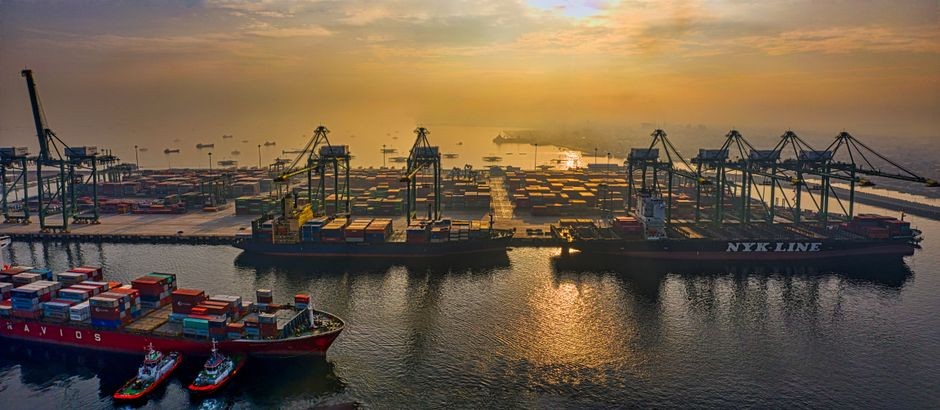
According to www.vietnamplus.vn, the ASEAN-5 — comprising Indonesia, Singapore, Malaysia, Thailand, and Vietnam — recorded a trade surplus of $156.6 billion in 2025, extending an 11-year consecutive growth trend. The finding was published on 19 August by United Overseas Bank (UOB), a multinational financial group headquartered in Singapore.
Steady Regional Expansion Since 2014
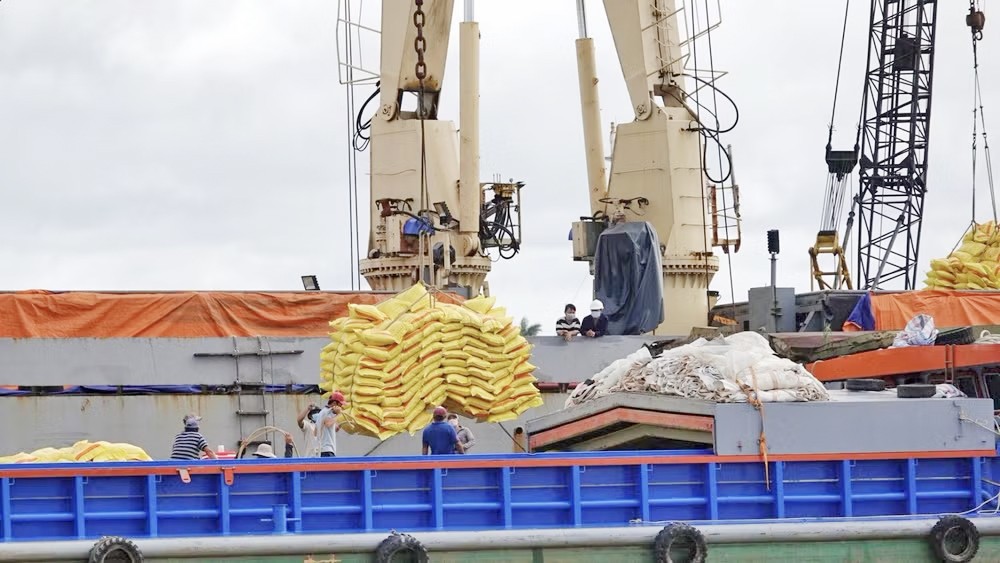
UOB’s Global Economic and Market Research division reported that the ASEAN-5 trade surplus has grown at a compound annual growth rate (CAGR) of 8.3% since 2014. This sustained expansion reflects deepening intra-ASEAN trade, which generated a surplus of $63 billion in 2025, supported by increasingly integrated regional supply chains.
According to the report, stronger regional integration is expected to accelerate industrial upgrading, increase manufacturing value-add, and enhance supply chain resilience — all contributing to ASEAN’s growing influence in global trade and investment flows.
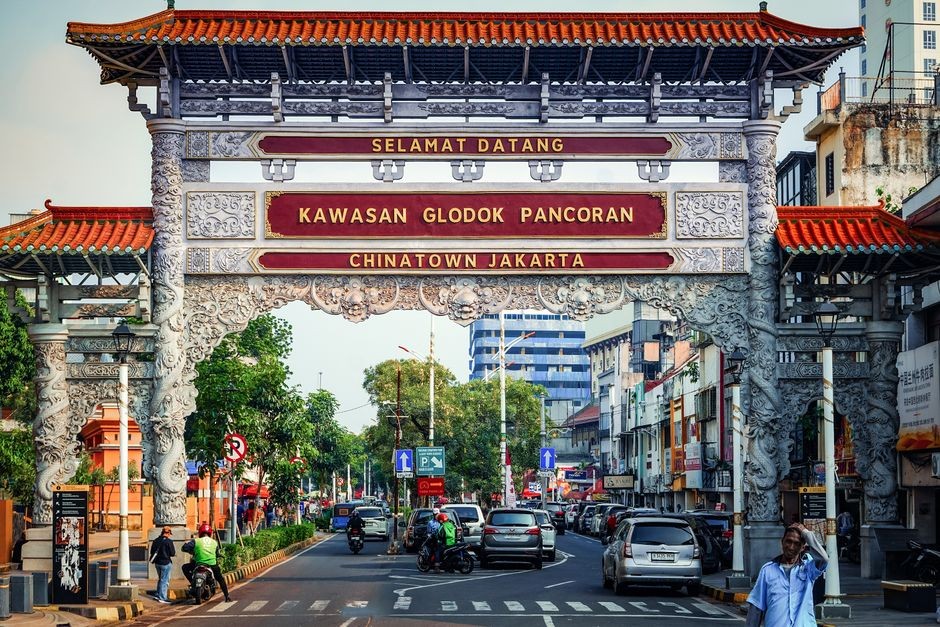
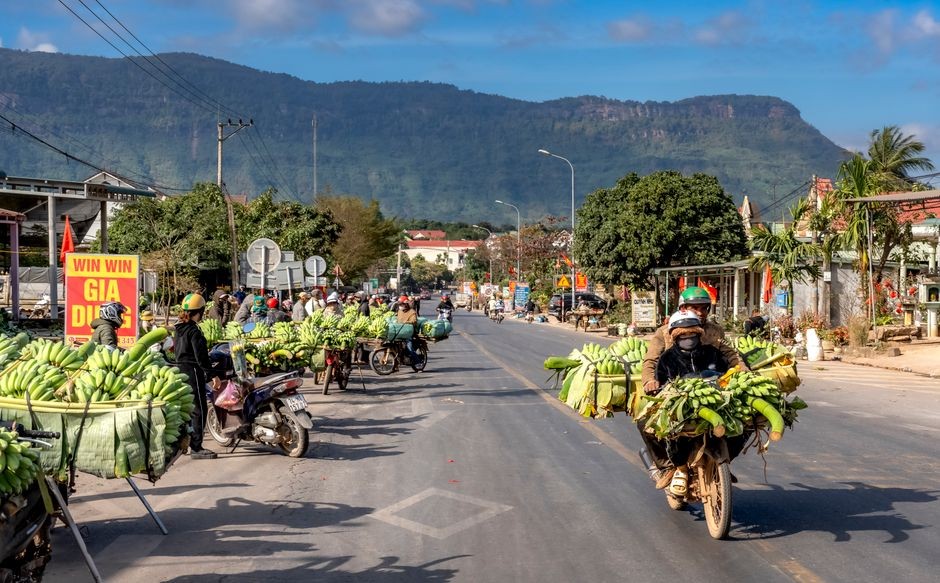
The source states that ASEAN-5 economies demonstrate strong structural complementarity: Indonesia leads in resource exports and deep-processing industries; Singapore serves as the region’s commercial and petrochemical refining hub; Malaysia strengthens its position in electronics and goods value chains; Thailand remains one of the most important automotive production centers; and Vietnam continues expanding its role as a global manufacturing platform.
Revised Long-Term Trade Forecasts
UOB upgraded its long-term outlook for ASEAN trade after regional total trade rose 13.7% in 2025, outpacing earlier projections. This acceleration was driven by growth in the electronics and semiconductor sectors amid surging demand linked to artificial intelligence applications.
The revised forecast projects ASEAN’s total trade will grow at 7.7% per year between 2025 and 2035, reaching $6.6 trillion by 2030 — up from a prior estimate of $5.3 trillion. By 2035, total trade is projected to exceed $9.0 trillion, compared to the earlier projection of $7.1 trillion.
According to the report, the convergence of demographic scale, industrial depth, external buffer zones, and disciplined policymaking across these five economies is reshaping ASEAN’s development trajectory.
Source: vietnamplus.vn
Compiled from international media by the SCI.AI editorial team.