According to www.scmp.com, Houthi missile strikes on Saudi shipping and Riyadh’s retaliatory bombing of Hodeidah port mark a dangerous escalation in the Iran-aligned proxy conflict, with Red Sea maritime traffic down 40% amid intensifying brinkmanship.
Red Sea Disruption and Strategic Chokepoint Vulnerability
The Houthis — formally known as Ansar Allah — imposed an embargo on Saudi shipping on Monday, 22 July 2026, halting vessels bound for or departing from Saudi ports through the Bab el-Mandeb Strait. This narrow waterway, linking Asia to Europe via the Suez Canal, now sees 40% less commercial traffic than pre-embargo levels, according to maritime analytics firms cited by the source. A near-identical Houthi missile attack struck an oil tanker owned by the National Shipping Company of Saudi Arabia on Thursday, 25 July 2026, prompting immediate U.S. intervention threats. The disruption compounds existing pressure on global container shipping routes, with rerouting around the Cape of Good Hope adding 14–21 days to Asia–Europe voyages and increasing fuel costs by up to 300% for affected carriers.
U.S. and Regional Responses Escalate
U.S. President Donald Trump warned on Truth Social that repeated Houthi attacks would trigger direct consequences for Iran:
“If they do this again, the US will hold Iran responsible, in that the Houthis are a surrogate and/or proxy of Iran, and major military punishment will be inflicted upon Iran and, of course, the Houthis, themselves.”
This statement followed a U.S. warship strike against Houthi targets in March 2025, ordered by Trump after prior Red Sea incidents. Meanwhile, Pakistan, bound to Saudi Arabia by a mutual defence pact, declared it would “take all necessary measures, including lawful use of force”, should its “maritime interests” be threatened — a posture analysts interpret as potential naval deployment in the Red Sea or Gulf of Aden. The U.S. Central Command confirmed active monitoring of Houthi launch sites in western Yemen, with real-time intelligence sharing now extended to Saudi Arabia, United Arab Emirates, and Bahrain.
Direct Military Exchange Intensifies
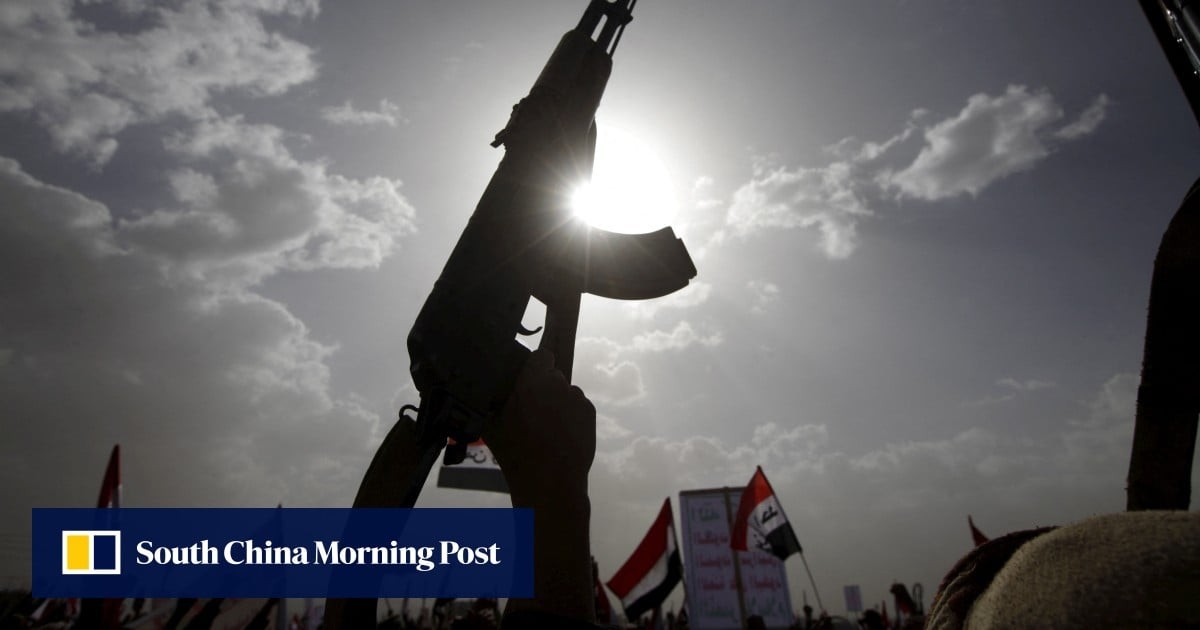
Saudi forces bombed the port city of Hodeidah overnight on 24–25 July 2026, in retaliation for a Houthi missile strike on a Saudi vessel in the Red Sea. Within hours, the Houthis claimed a ballistic missile attack on Jizan, a southern Saudi city hosting critical oil infrastructure and a major Red Sea logistics hub. Media outlets controlled by the group labeled Riyadh’s action a “dangerous escalation” and stated its response “will not go unanswered”. These exchanges represent the first direct kinetic engagement between Saudi Arabia and the Houthis since 2023, when ceasefire negotiations paused hostilities but left core maritime and border disputes unresolved. According to regional security analysts, the current cycle reflects a deliberate shift from asymmetric coastal harassment to coordinated, high-value targeting of port infrastructure and energy assets.
Supply Chain Implications for Global Trade
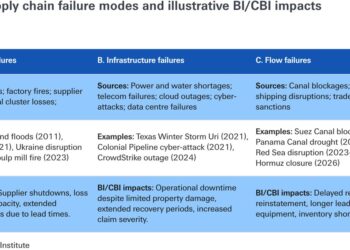
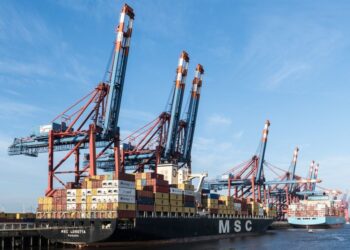
The Red Sea chokepoint accounts for 12% of global trade volume and 30% of containerized seaborne oil shipments. With 40% of that flow now suspended or diverted, shippers face cascading delays: transshipment congestion at Dubai and Jebel Ali has pushed average container dwell times up 72 hours; freight rates on Asia–Europe lanes surged 215% week-on-week in early July; and lead times for automotive components sourced from Japan and South Korea have lengthened by 18–22 business days. Practitioners report that over 65% of affected importers lack contingency plans for sustained Red Sea closure beyond three months — exposing systemic gaps in geopolitical risk modeling across tier-2 and tier-3 supplier networks.
Source: South China Morning Post
Compiled from international media by the SCI.AI editorial team.