Skip to content

Disruptions · Risk & Resilience

Analysis

India’s August crude imports face dual risk: Russian port attacks, Red Sea costs triple

India’s August 2026 crude oil imports face dual geopolitical risks: Ukrainian strikes on Russia’s Sheskharis terminal have disrupted Novorossiysk loadings and cut Russian exports by 400,000 bpd in July, while Houthi threats in the Bab el-Mandeb have forced rerouting via Suez, extending voyages by up to one month and tripling freight costs to $13–15 per barrel. Russian crude now supplies up to 50% of India’s imports, with flows surging to 2.6 million bpd in July—and potentially rising to 3 million bpd if Red Sea alternatives falter. Pricing pressure, not physical shortage, is the core concern amid a weak rupee.

Original source: thehindubusinessline.com

India’s August crude imports face dual risk: Russian port attacks, Red Sea costs triple

According to www.thehindubusinessline.com, uncertainty over crude loadings from Russia’s Black Sea port of Novorossiysk—following Ukrainian attacks on the Sheskharis terminal—poses a fresh risk to India’s August crude oil imports, while persistent Houthi threats in the Bab el-Mandeb strait have driven freight and insurance charges from $4–5 to $13–15 per barrel.

Russian supply disruption intensifies pricing pressure

Russia has supplied up to 50 per cent of India’s crude imports over the past three years, with Urals crude becoming the dominant feedstock after Western sanctions. In May 2026, Indian imports of Russian crude hit a 10-month high of 1.96 million barrels per day (bpd). By July, that figure had surged further: according to Sumit Ritolia, Lead Research Analyst for Refining & Modeling at Kpler, India’s Russian crude imports had risen “from around one million barrels per day to roughly 2.6 million barrels per day”, with July imports tracking near record highs.

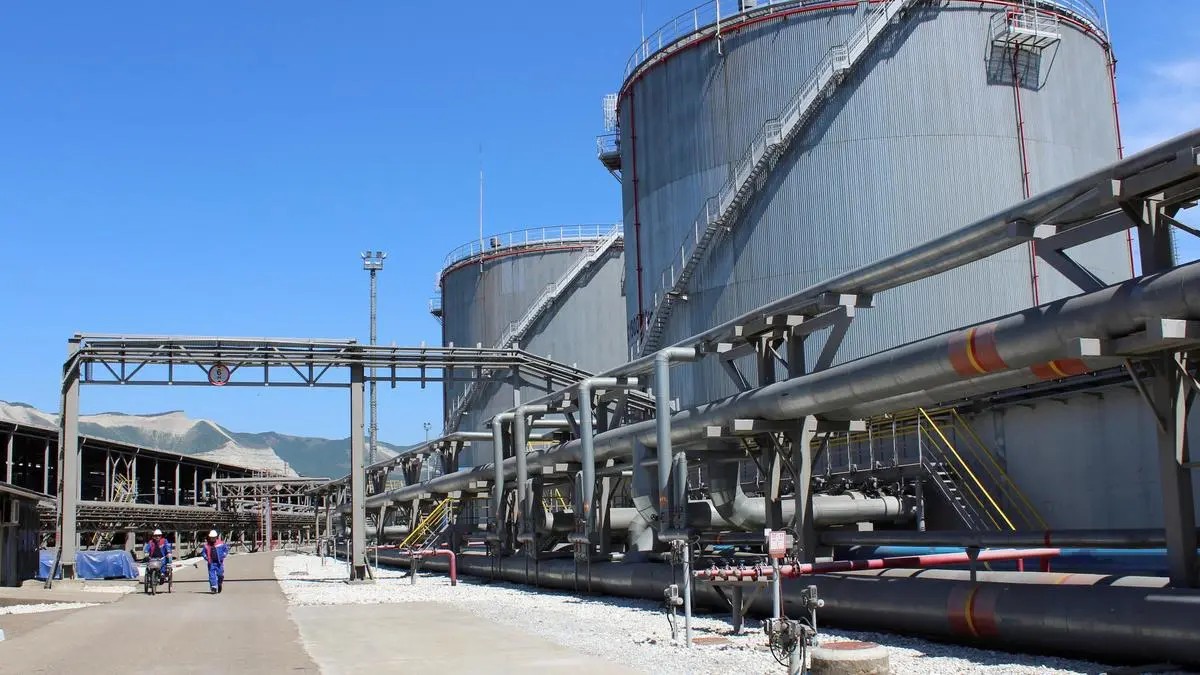
The Sheskharis terminal—the largest crude export facility in Russia—accounts for nearly 20 per cent of the country’s seaborne crude shipments. Ukrainian strikes there have already contributed to a 400,000 bpd month-on-month decline in Russia’s crude exports in July. A trade source told The Hindu BusinessLine:

“As we speak, there are two developing scenarios important to track. First, crude oil (Urals grade) loadings from Novorossiysk port considering attacks by Ukraine on the Sheskharis terminal. Besides, traders are not offering discounts for September loadings. So, barrels will be there, but there will be a price.”

Red Sea rerouting inflates logistics costs

The second major variable is the continued threat by Houthi rebels to Saudi Arabian crude exports transiting the Bab el-Mandeb (BeM) strait. Although Saudi Arabia has shifted some volumes to Egypt’s Sidi Kerir terminal on the Mediterranean coast, this alternative adds both time and cost. According to Equirus Securities, tankers avoiding the BeM via the Suez Canal and Mediterranean face voyage extensions of nearly one month.

Longer voyages reduce tanker availability and compound cost pressures. Freight and insurance charges—which averaged $4–5 per barrel before the conflict—have now climbed to $13–15 per barrel. An official with a domestic refiner confirmed the operational strain:

“Saudi Arabia usually supplies crude through VLCCs, but bypassing the traditional Red Sea route and exporting via Sidi Kerir adds to both voyage time and transportation costs.”

Supply buffers and contingency planning

If Red Sea transit remains uninterrupted, Indian refiners retain access to a critical buffer: Saudi Arabia’s East-West pipeline to Yanbu, which recently supplied 300,000–500,000 bpd of crude. However, Kpler warned that any deterioration in security could force refiners to replace those barrels quickly. Ritolia noted that Russian crude remains India’s “strongest supply hedge”—and imports could rise toward or even above 3 million bpd if market conditions and Russian export capacity allow.

The concern for India is less about physical unavailability than about cost escalation. With the rupee weak against the US dollar, shrinking discounts on Russian crude—or outright price hikes—would directly inflate India’s oil import bill. As one trade source observed, “barrels will be there, but there will be a price.” This dynamic is especially acute given that refiners have reconfigured their sourcing infrastructure around Russian barrels over the past three years.

Source: thehindubusinessline.com

Compiled from international media by the SCI.AI editorial team.
Ask SCI.AI Finished reading? Continue with SCI.AI. Explore the related policy, route, company and historical context. Continue asking
DHL Australia Workers to Vote on Strike by 14 October 2026
Disruptions

DHL Australia Workers to Vote on Strike by 14 October 2026

DHL Supply Chain (Australia) Pty Limited employees will vote on protected industrial action by 14 October 2026, after the Fair Work Commission granted the Transport Workers’ Union’s ballot request. Deputy President Hampton issued the order on 29 September 2026 ([2026] FWC 3750), rejecting DHL’s argument that the application was premature despite four bargaining meetings and steady progress. The ballot will be administered by Fair Vote Services Pty Ltd under s.468A, with the 10-working-day timeline aligning precisely with s.448A(2). Conciliation under s.448A(1) remains mandatory before the vote closes.

C.H. Robinson acquires RXO for $300M in synergies
Risk & Resilience

C.H. Robinson acquires RXO for $300M in synergies

C.H. Robinson’s acquisition of RXO marks the largest truck brokerage M&A in history, anchored by $300 million in projected synergies. Analysts note the deal’s $1-per-share break fee signals minimal risk of competing bids, while the pro forma valuation stands at 10x EBITDA. With U.S. truckload brokerage outsourcing at just 25% to 30%, the market remains in “the middle innings” of growth. Several billion-dollar logistics firms—including Redwood Logistics and Mode—are expected to trade within 24 months. International players like DSV, underrepresented in North America post-Schenker, may enter. Mid-market consolidation is anticipated to accelerate fastest.

Union Pacific CEO 99.99% confident on $85B Norfolk Southern merger
Risk & Resilience

Union Pacific CEO 99.99% confident on $85B Norfolk Southern merger

Union Pacific CEO Jim Vena expressed 99.99% confidence in regulatory approval of the $85 billion acquisition of Norfolk Southern. Speaking on Oct. 6, he argued the merger would cut freight transit times by 24–48 hours between U.S. coasts and enhance rail’s competitiveness against trucking. The combined network would span roughly 50,000 miles of track, with a final Surface Transportation Board decision expected in 2027. Opponents, including the Stop the Rail Merger Coalition, warn the deal would place nearly half the nation’s rail traffic under single control, risking higher costs and supply chain instability.

Welcome Back!

Login to your account below

Create New Account!

Fill the forms below to register

Retrieve your password

Please enter your username or email address to reset your password.

Scan to share via WeChat

Open WeChat and scan the QR code to share

QR Code

Add New Playlist