According to en.antaranews.com, Indonesia has achieved self-sufficiency in eight key food commodities as of July 20, 2026, backed by record national rice reserves and the highest-ever national farmer’s exchange rate (NTP), a metric tracking agricultural welfare.
Agricultural Milestone Confirmed by Presidential Address
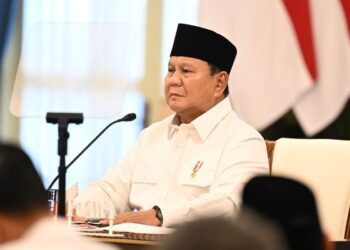
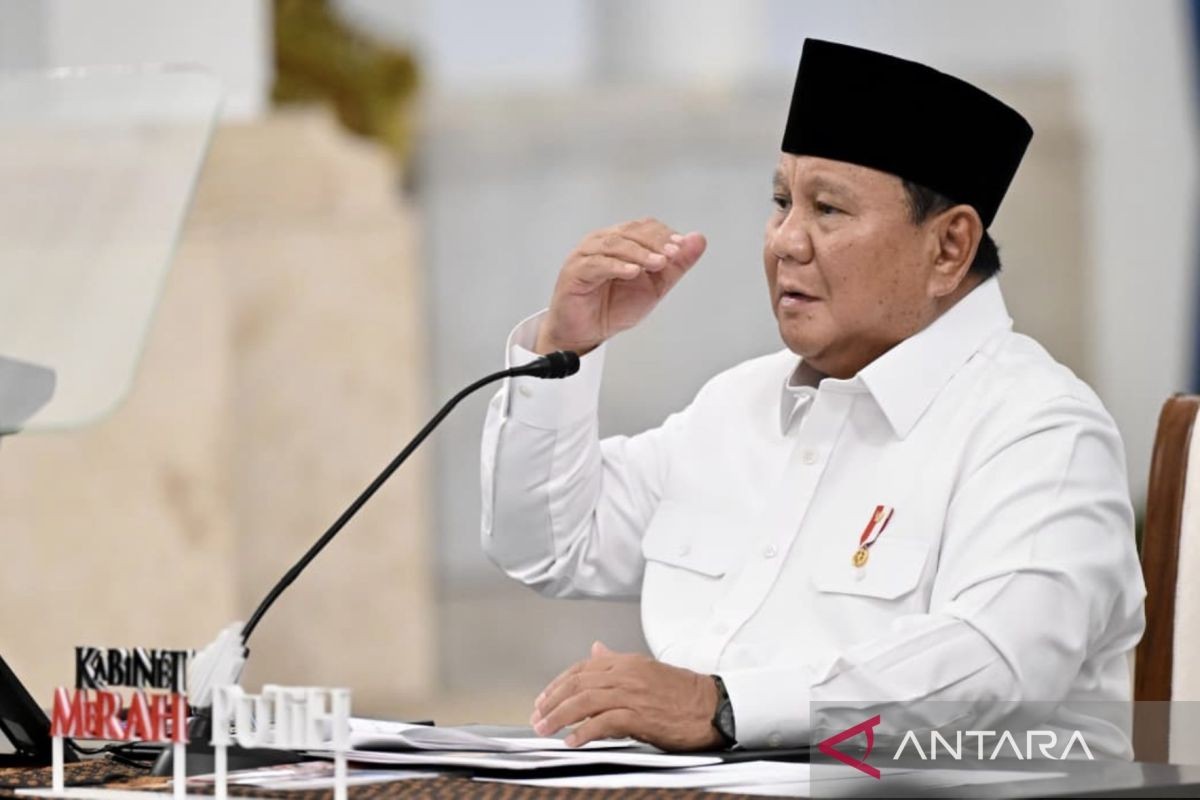
President Prabowo Subianto announced the achievement during a Plenary Cabinet Session at the State Palace in Jakarta on Monday, July 20, 2026. He described the progress as a ‘vital shield’ against intensifying global food insecurity.
“We are self-sufficient in eight food commodities. Our rice reserves are currently at the highest level in the history of Indonesia.” — Prabowo Subianto, President of Indonesia
The statement underscores a strategic pivot toward domestic food resilience amid volatile international markets and supply chain disruptions.
Commodities Covered and Gaps Identified
Per official projections from the National Food Agency (Bapanas)’s 2026 Food Commodity Balance Projection, domestic production now exceeds demand for the following eight items: rice, feed corn, consumer sugar, large chilies, cayenne pepper, shallots, chicken meat, and eggs. This marks the first time Indonesia has simultaneously achieved surplus status across this full set. However, three commodities remain deficit areas: soybeans, garlic, and beef/buffalo meat. Bapanas data confirms these shortfalls persist despite recent import substitution initiatives.
Integrated Food–Energy Strategy
President Subianto explicitly linked food security to energy policy, citing the nationwide rollout of B50 biodiesel—a palm oil-based fuel blend containing 50% biocontent—as central to reducing dependence on imported diesel. This dual-track approach aligns with Indonesia’s broader economic sovereignty agenda. The government reports that B50 implementation is progressing across 43 simultaneous harvest and distribution locations coordinated under the national food program, reinforcing logistical integration between upstream agriculture and downstream energy infrastructure.
Farmer Welfare and Structural Support
A critical indicator of systemic improvement is the national farmer’s exchange rate (NTP), which measures farmers’ purchasing power relative to input costs. According to the source, the NTP reached an all-time high in early 2026, reflecting tangible gains in rural income and input affordability. Supporting policies include fertilizer subsidies, village cooperative expansion, and accelerated sugarcane rejuvenation—aiming for full sugar self-sufficiency within two years, as pledged by President Subianto on July 17, 2026. Additional infrastructure investments include five new dams, cited by Coordinating Minister for Political, Legal, and Security Affairs A.H. Yudhoyono as instrumental in strengthening both food and energy self-sufficiency.
Regional Implementation and Export Readiness
Geographic implementation highlights include the Merauke Priority Strategic National Project (PSN) in Papua, designed to expand food production capacity in eastern Indonesia. The South Papua food development area now covers 102,000 hectares, according to state logistics agency Bulog. Concurrently, Indonesia is leveraging domestic surpluses for export: the government announced plans to pursue rice exports following favorable global pricing, as reported on July 16, 2026. Modernization efforts extend to Papuan agriculture, with farm support programs and digital extension services deployed since July 4, 2026.
Source: en.antaranews.com
Compiled from international media by the SCI.AI editorial team.