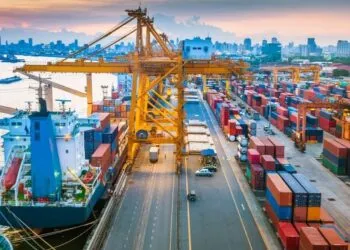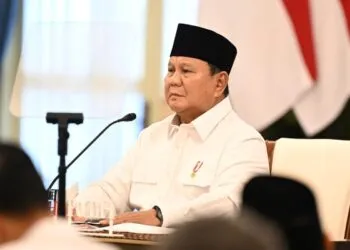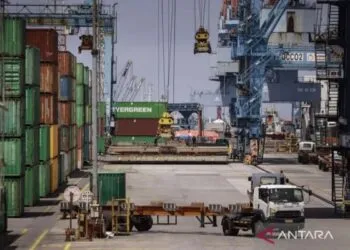
According to en.tempo.co, seven Indonesian state-owned enterprises (SOEs) in the logistics sector officially merged into a single entity on Tuesday, June 30, 2026, following the signing of a Shareholder Agreement (SHA) and a Deed of Consolidation Merger in Jakarta.
Surviving Entity and Transition Framework
The consolidation centers on PT Multiterminal Indonesia as the surviving legal entity. As stated by Daud Joseph, Chair of the Steering Committee for the SOE Logistics Consolidation PMO and President Director of PT Pos Indonesia, this entity will serve as the operational platform during the transition period.
The seven merging companies are: Pelindo Sinergi Lokaseva Multiterminal Indonesia, Pelindo Sinergi Lokaseva Prima Indonesia Logistik, Pos Logistics, Pelni Logistics, PT Kawasan Berikat Nusantara (KBN), PT Varia Usaha Dharma Segara (VUDS), and Krakatau Integrated Logistics. According to the report, the integration process will cover operational, legal, financial, and governance dimensions before concluding the final transaction stage.
National Logistics Strategy and Governance
This merger represents the first phase of national logistics consolidation led by Danantara Asset Management, the government’s sovereign wealth fund tasked with optimizing SOE portfolios. The initiative aligns with Indonesia’s broader policy goal to improve logistics effectiveness and efficiency — a priority embedded in the national development plan.
“This aligns with the government’s vision and mission to improve the effectiveness and efficiency of logistics processes in this country. From the SOE’s perspective, Danantara wants these seven companies to merge, and this has begun today.” — Daud Joseph, Chair of the Steering Committee for the SOE Logistics Consolidation PMO
The consolidation effort is part of a wider infrastructure and logistics modernization agenda that includes the Pendulum Nusantara maritime logistics system — a strategic framework connecting major ports from west to east — and ongoing upgrades at key gateways such as Tanjung Priok Port and Patimban Port, which was reported 72% complete as of November 8, 2025.
Economic Rationale and Operational Benefits
Daud Joseph emphasized that a unified logistics SOE enables functional integration across transport modes, warehousing, customs clearance, and last-mile delivery — eliminating redundancies and overlapping cost structures. He noted that consolidated operations would yield more competitive pricing due to internalized coordination and reduced inter-company billing.
“The benefit we all hope for as a nation is that a consolidated logistics company can have all the necessary features, allowing a single entity to carry out various logistics functions. That’s where efficiency will come in, with more efficient pricing, because there are no longer multiple companies.” — Daud Joseph, President Director of PT Pos Indonesia
This rationale reflects documented inefficiencies in Indonesia’s current system: approximately 4 million heavy trucks cross the Sunda Strait annually — one of the world’s busiest roll-on/roll-off routes — yet persistent bottlenecks persist due to fragmented ownership, inconsistent standards, and duplicated infrastructure investments. The merger aims to address those systemic gaps through centralized planning and capital allocation.
Implementation Timeline and Oversight
The merger occurred on June 30, 2026, with full integration expected to span multiple quarters. The Steering Committee, chaired by Daud Joseph, oversees implementation in coordination with Danantara Asset Management and the Ministry of State-Owned Enterprises. No specific completion date for final integration was disclosed, but the transition phase explicitly includes harmonizing IT systems, workforce alignment, and regulatory compliance across all seven legacy entities.
Supporting infrastructure developments referenced in related reporting include 32 Bailey bridges built by the Indonesian military across Sumatra following the December 2025 disaster, underscoring concurrent efforts to strengthen physical connectivity — a prerequisite for successful logistics consolidation. Meanwhile, the National Food Agency (Bapanas) reported rice stock levels exceeding 1 million tons for market stabilization programs as of October 21, 2025, illustrating parallel supply chain resilience initiatives across sectors.
Source: en.tempo.co
Compiled from international media by the SCI.AI editorial team.