According to www.upi.com, South Korea’s exports rose 36.7 percent year-on-year in the first 10 days of April 2026, reaching $25.2 billion, the highest value ever recorded for that period — surpassing the previous record of $21.7 billion set in March 2026.
Chip Demand Drives Record Outbound Shipments
Semiconductor exports surged 152 percent on-year to $8.6 billion, marking the highest amount for the first 10 days of any month. According to the report, chip shipments accounted for 34 percent of total exports — up 15.6 percentage points from the same period last year — underscoring their growing centrality in South Korea’s export structure and global AI-driven demand.
Destination and Product Breakdown
- Exports to China soared 63.8 percent to $5.7 billion, maintaining its position as South Korea’s top trading partner.
- Shipments to the United States rose 24 percent to $4.3 billion, despite the tariff scheme by U.S. President Donald Trump’s administration.
- Petroleum products exports jumped 38.6 percent to $1.8 billion.
- Automobile exports fell 6.7 percent to $1.7 billion; auto parts dipped 7.3 percent to $654 million.
Trade Balance and Import Trends
Imports increased 12.7 percent year-on-year to $22.1 billion, yielding a trade surplus of $3.1 billion. By item, semiconductor imports rose 29.7 percent, crude oil imports climbed 8.7 percent to $2.8 billion — extending a three-month upward trend driven by higher global oil prices and the weak Korean won, according to the Korea Customs Service.
Practitioner Implications for Global Supply Chains
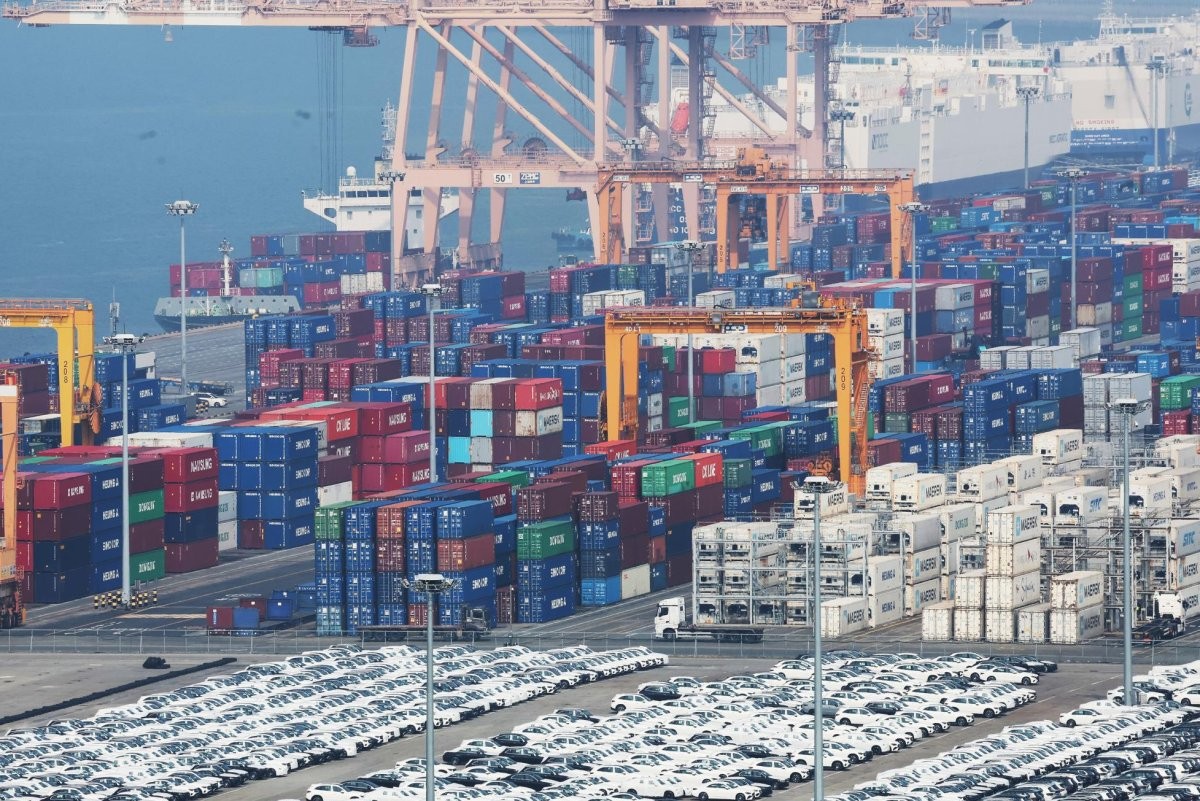
For supply chain professionals, this data signals intensifying pressure on semiconductor logistics networks: rapid growth in chip exports reflects surging demand across AI infrastructure, cloud computing, and advanced electronics manufacturing. The concentration of 34% of total exports in a single, highly specialized product category highlights both strategic opportunity and vulnerability — particularly given geopolitical sensitivities around export controls, dual-use technology, and regional dependencies. Meanwhile, divergent performance across categories (e.g., strong petroleum exports but declining auto shipments) suggests sector-specific demand shocks rather than broad-based recovery. Professionals managing cross-border flows between East Asia and North America or China must monitor real-time port throughput, container availability, and customs clearance capacity — especially at major hubs like Pyeongtaek, where recent imagery confirms high container stacking volumes.
Source: www.upi.com
Compiled from international media by the SCI.AI editorial team.