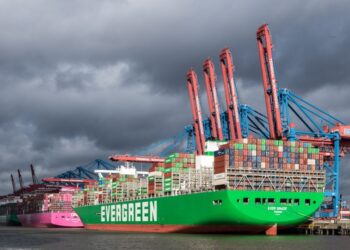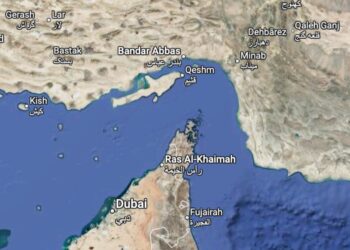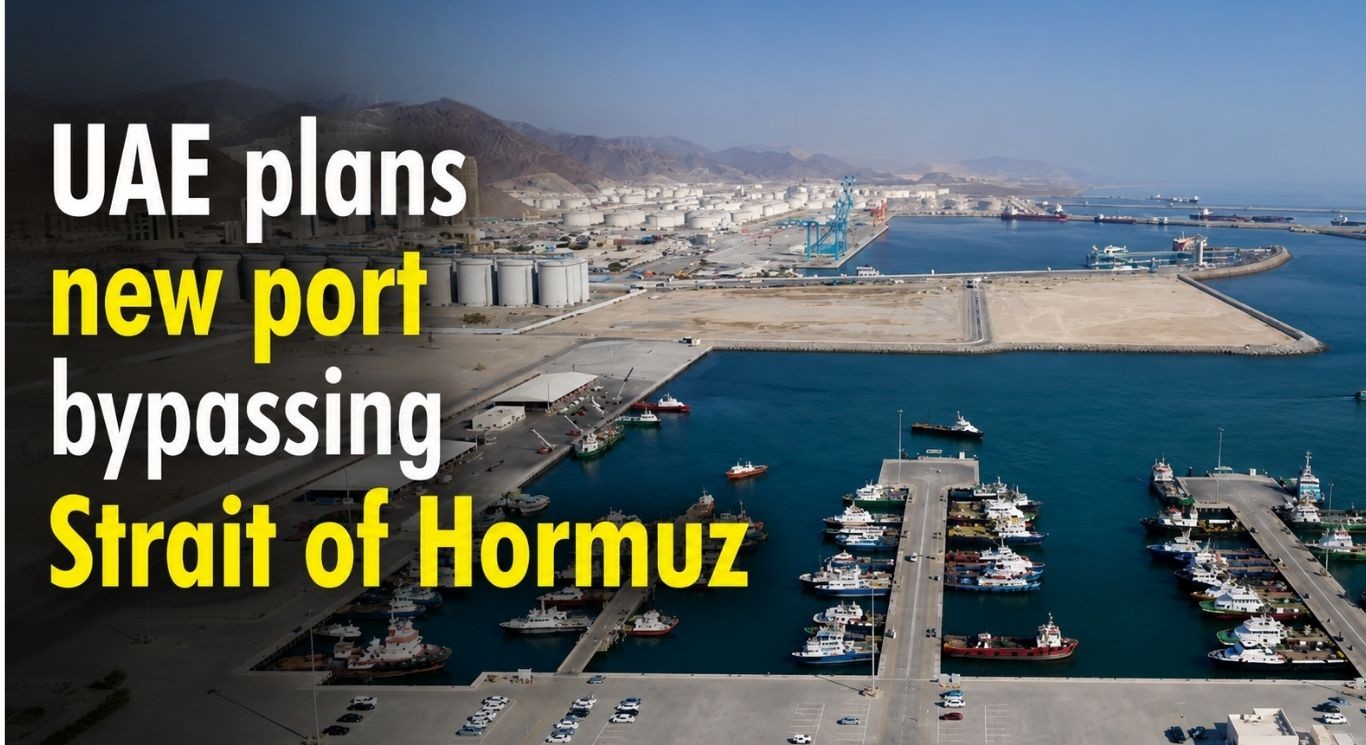
According to www.logisticsinsider.in, DP World is advancing plans to develop a new multipurpose port and container terminal in Fujairah on the UAE’s east coast — a strategic move designed to strengthen trade resilience and reduce reliance on the Strait of Hormuz.
Strategic response to regional disruption
The initiative follows severe operational setbacks at Jebel Ali Port, the Middle East’s largest container port, where cargo activity reportedly fell by 90–95% after Iran temporarily closed the Strait of Hormuz in response to US-Israeli military action. That disruption accelerated DP World’s efforts to establish alternative shipping corridors along the UAE’s eastern seaboard.
While DP World declined to confirm specific project details, the company acknowledged it is pursuing diversification initiatives to improve supply chain resilience amid geopolitical uncertainties. A senior company official indicated that the new Fujairah port could be completed within 18 months, though the structure and financing remain under discussion.
Complementary, not competitive
Officials emphasized that the east-coast expansion is intended to complement — not replace — Jebel Ali Port, which remains DP World’s flagship asset and the region’s largest container gateway. Over decades, Jebel Ali has evolved into a major logistics and industrial hub supported by an extensive free zone, warehousing, and manufacturing ecosystem.
Fujairah already serves as a strategic energy and logistics hub for the UAE, hosting crude oil export infrastructure that enables shipments to bypass the Strait of Hormuz. The planned development is expected to reinforce the emirate’s role in enhancing national supply chain resilience and trade connectivity.
Investment scale and market context
According to the report, DP World plans to invest hundreds of millions of dollars during the initial phase of the Fujairah project, with additional investments anticipated as demand grows. Company officials described the initiative as a strategic contingency measure to safeguard trade flows during periods of disruption.
Since the onset of the regional conflict, DP World has increasingly diverted cargo from Jebel Ali to Fujairah and the nearby Khor Fakkan — resulting in congestion at both east coast ports. This shift aligns with the UAE government’s broader strategy to strengthen economic resilience by reducing dependence on the Strait of Hormuz, a critical maritime chokepoint repeatedly disrupted by escalating regional tensions.
The move coincides with parallel infrastructure investments: Sharjah-based Gulftainer recently announced a US$2 billion investment to expand capacity at the Khor Fakkan container terminal. Both developments underscore growing institutional commitment to east-coast port infrastructure as a hedge against chokepoint vulnerability.
Operational urgency and timeline
The project’s accelerated timeline reflects urgent operational needs. The article notes the expansion is being pursued as part of a broader strategy launched in 2026, with the first phase targeted for completion by mid-2027. The date July 14, 2026 appears as the publication timestamp across multiple items in the source feed, confirming the contemporaneous nature of the planning phase.
DP World’s east-coast pivot also carries practical implications for supply chain professionals: rerouted vessel calls, revised transshipment patterns, and increased demand for inland transport capacity between Fujairah and Dubai/Abu Dhabi. These shifts require real-time visibility tools, updated carrier contracts, and dynamic inventory allocation models — especially for time-sensitive or high-value goods previously routed exclusively through Jebel Ali.
Source: logisticsinsider.in
Compiled from international media by the SCI.AI editorial team.