According to www.fooddive.com, PepsiCo CFO Steve Schmitt stated during the company’s second-quarter 2026 earnings call that tariff refund claims are expected to contribute approximately one percentage point of earnings-per-share (EPS) growth this year.
Tariff Refunds Offset Commodity Inflation Pressure
PepsiCo reported second-quarter net revenue of $24.2 billion, representing a 6.4% year-over-year increase. Core EPS stood at $2.20, up 4% from the prior-year period. Despite reaffirming its full-year 2026 financial outlook, the company noted mixed profitability signals: core operating margin declined by 40 basis points to 16.8%, and North America convenient foods revenue fell. Schmitt emphasized that while commodity cost pressures will intensify in the second half of 2026, the tariff refunds provide critical relief. “We do expect some more pressure on the business from a commodity standpoint,” he said. “We also expect refund claims for tariffs paid last year to help offset some of the commodity pressures that we have and allow us to continue to play offense.”
Consumer Behavior Shifts Amid Energy Price Shocks
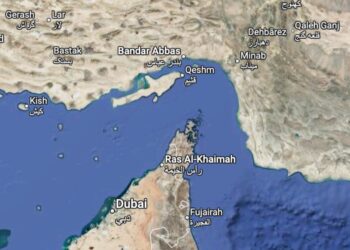
The CFO’s remarks align with broader macroeconomic concerns flagged in a recent joint report from Duke University’s Fuqua School of Business and the Federal Reserve Banks of Richmond and Atlanta, which found CFO optimism about the U.S. economy edged lower in Q2 2026 as energy price shocks pushed inflation back to the top of finance chiefs’ concerns. CEO Ramon Laguarta linked rising gasoline prices — exacerbated by geopolitical developments including the Iran war — to reduced discretionary spending, especially in convenience channels. “I think, obviously, the Iran war and the impact on gas prices has been meaningful, not only in the U.S., but across the world,” Laguarta said. The company is now prioritizing affordability as a core U.S. growth strategy, ensuring brands remain accessible “in the portions and prices that consumers can afford today.”
North America Outlook and Strategic Execution
Schmitt projected “a gradual improvement in North America” as PepsiCo deploys tariff refunds to counterbalance rising input costs. This tactical use of tariff recovery supports both margin stabilization and continued investment in brand and channel development. Notably, the company did not disclose the exact dollar amount or timeline of its refund claim when contacted for further details. The timing coincides with broader industry activity: McCormick received a $28 million tariff refund earlier in July 2026, as reported by Food Dive, underscoring how trade policy mechanisms are becoming active levers for managing cost volatility amid ongoing geopolitical friction.
Source: Food Dive
Compiled from international media by the SCI.AI editorial team.