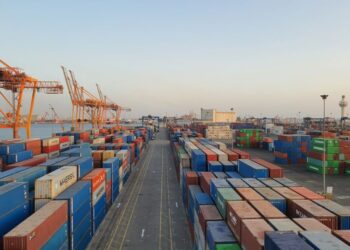
According to journalofsupplychain.com, India is undergoing a strategic pivot in global supply chain planning—from prioritizing cost efficiency to embedding resilience as a core objective. This evolution reflects broader shifts triggered by the pandemic, geopolitical tensions, trade realignments, and rising sustainability expectations, which have collectively elevated supply chain resilience from an operational concern to a competitive necessity.
From China+1 to India-First Strategic Investment
Global companies are re-evaluating supplier networks and manufacturing footprints with long-term stability—not short-term cost optimization—as the primary criterion. While the “China+1” strategy catalyzed initial diversification, the source states that interest in India is no longer exploratory but increasingly strategic. Multinationals are now focused on building meaningful, long-term supply chain capabilities—moving beyond limited assembly operations to integrated manufacturing and sourcing hubs.
Infrastructure Modernization Accelerates Logistics Efficiency
India’s logistics and infrastructure landscape has evolved significantly over the past decade. The source notes major investments in transportation infrastructure, industrial corridors, and logistics modernization are transforming domestic and international freight movement. Dedicated freight corridors are improving rail logistics efficiency between key industrial regions. Expanded highway networks and multimodal logistics parks are integrating road, rail, and port connectivity. Port infrastructure modernization is enhancing cargo handling capacity and reducing turnaround times—especially vital for export-oriented sectors including electronics, automotive components, specialty chemicals, and pharmaceuticals. Policy initiatives aimed at cutting logistics costs and streamlining regulatory procedures further support this national ecosystem-building effort.
Digital Integration as a Resilience Enabler
Technology adoption across manufacturing, warehousing, distribution, and demand forecasting is reshaping operational competitiveness. According to the report, advanced analytics and artificial intelligence are enabling more accurate demand prediction, optimized inventory levels, and early disruption identification. Digital supply chain platforms improve collaboration across tiers—suppliers, manufacturers, logistics providers, and distributors—while real-time data visibility strengthens transparency and responsiveness. Automation—including smart warehouses with automated storage systems, robotic picking, and advanced inventory tools—is highlighted as essential for managing scale and complexity in India’s distribution networks.
Resilience Built on Diversification, Transparency, Agility
The source emphasizes that resilient supply chains rest on three pillars: diversification, transparency, and agility. Recent disruptions—from pandemics to geopolitical conflicts—have demonstrated how quickly shocks ripple across global logistics networks. Companies are therefore developing multi-country sourcing strategies and investing in end-to-end visibility to reduce single-point dependencies. As Umair Ul Haque, Manager International Business Advisory at Dezan Shira & Associates, observes:
“For multinational companies, supply chain resilience is no longer optional, and it is a competitive necessity.” — Umair Ul Haque, Manager International Business Advisory, Dezan Shira & Associates
Source: journalofsupplychain.com
Compiled from international media by the SCI.AI editorial team.