According to logisticsviewpoints.com, transportation technology is undergoing a structural shift in 2026 — moving from isolated point solutions toward an integrated, AI-infused operating model centered on execution visibility, coordinated decisioning, dock and yard orchestration, and bounded autonomy.
1. Transportation Orchestration Is Replacing Point Optimization
The source states that the era of deploying standalone systems — a TMS for planning, a separate visibility platform for tracking, and discrete tools for dock scheduling or carrier portals — is giving way to orchestration. The value now lies not just in knowing where a shipment is, but in linking transportation data, operational constraints, and execution workflows into a coordinated response model. This includes connecting orders, shipments, inventory, appointments, labor, and exceptions across a shared execution environment. As the report explains:
“The network still matters, but the executive question is no longer whether data can be shared. It is whether systems can turn shared data into better action.” — Jim Frazer, Logistics Viewpoints
2. TMS Innovation Is Now About AI-Assisted Decisioning
TMS platforms continue to deliver value through load consolidation, routing, mode selection, and freight procurement. However, the center of gravity has shifted from static optimization to real-time execution decision support. According to the report, the critical measure is no longer whether a TMS can produce an initial plan, but whether it can continuously adjust that plan as conditions change — improving ETA confidence, prioritizing exceptions intelligently, recommending carriers contextually, and escalating service risks proactively. Visibility is no longer a separate layer; it is inseparable from transportation execution.
3. Time Slot Management Has Expanded into Dock and Yard Orchestration
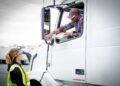
Time slot management remains important, but the source states it has evolved beyond appointment scheduling into full dock and yard orchestration — coordinating arrival times, gate activity, dock assignment, labor readiness, yard movement, and downstream ripple effects of delay. A truck delay, the report notes, is not only a transportation issue but can quickly become a labor, dock, inventory, and customer service issue. Dock and yard orchestration sits at the intersection of transportation execution and warehouse performance and is highlighted as one of the clearest opportunities to reduce idling, improve throughput, and tighten handoffs.
4. Autonomous Freight Is Becoming Real in Bounded Operating Environments
The source states autonomous trucking has moved beyond the speculative stage: commercial deployment has begun in specific lanes. It emphasizes that this does not signal imminent nationwide replacement of conventional freight networks. Rather, selective deployment is beginning to make economic and operational sense in bounded environments — those with repeatable routes, supportive regulation, and lane structures aligned with current technology capabilities. The trend reflects a shift from broad promise to corridor-specific execution.
5. Last Mile Autonomy Is Advancing, but Selectively
Last mile automation remains a compelling theme, but the report stresses discipline in framing it. While drones and autonomous delivery bots were once discussed broadly, the focus in 2026 is on targeted, operationally viable applications — not universal rollout. The source cuts off mid-sentence at “as part”, indicating the original article continues with further qualification (e.g., likely referencing regulatory, infrastructural, or economic constraints), though no further detail is provided in the excerpt.
Source: logisticsviewpoints.com
Compiled from international media by the SCI.AI editorial team.