According to www.just-style.com, Spinnova has initiated trial runs at its Woodspin demonstration factory in Jyväskylä, Finland, as part of a phased effort to restart production of its wood-based SPINNOVA fibre.
Phased Ramp-Up Toward Industrial Scale
The trial phase focuses on validating technological solutions previously tested at pilot scale — specifically those aimed at improving production efficiency and fibre quality. Spinnova stated that outcomes from these trials will determine the timeline for full-scale operations, with a target of complete resumption in 2026.
Facility Background and Capacity
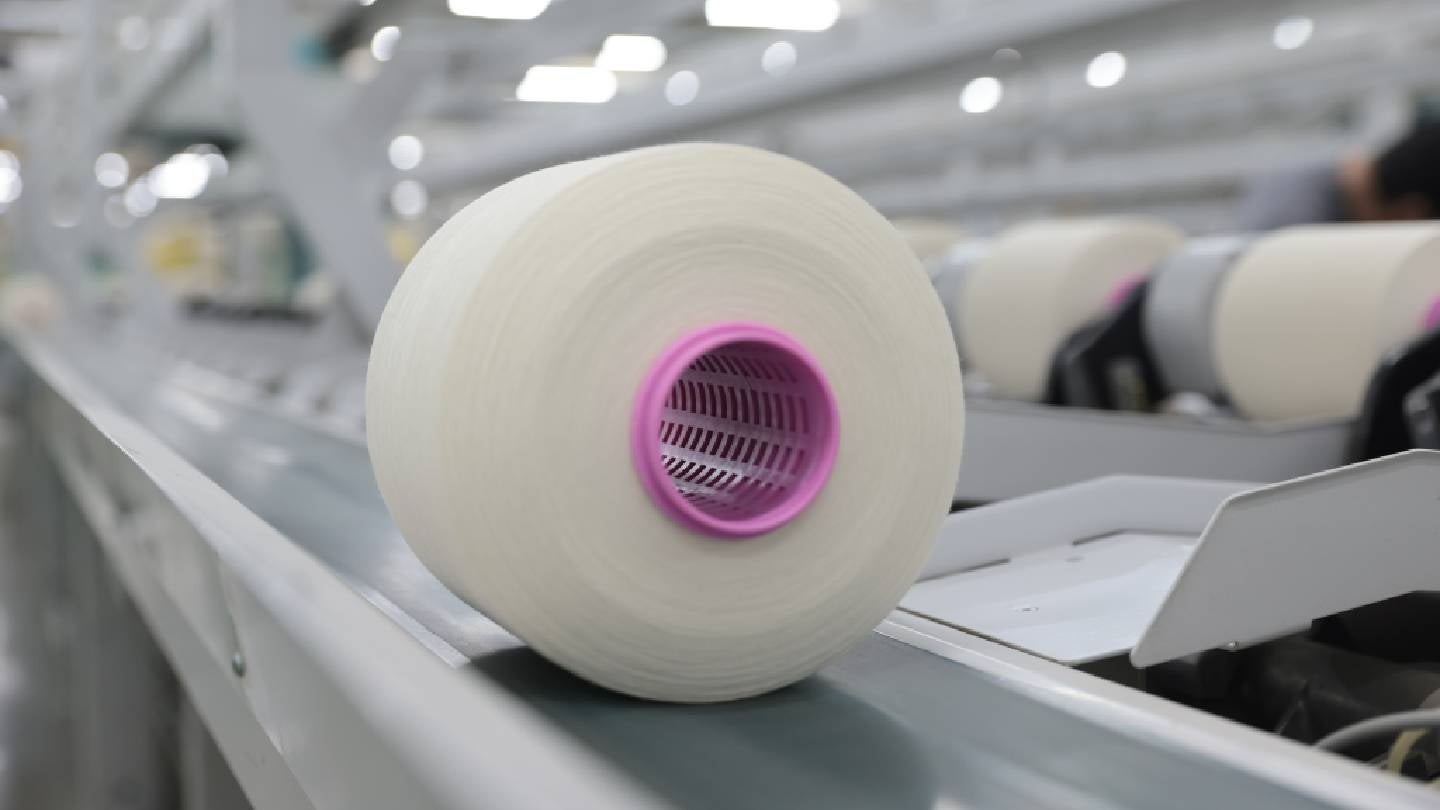
The Woodspin demonstration factory opened in May 2023 and has an annual production capacity of 1,000 tonnes of fibre. It produces SPINNOVA fibre using the company’s patented process, which converts wood pulp or waste into textile fibre without harmful chemicals or dissolving methods. The resulting fibre can be blended with other fibres to create yarns and fabrics suitable for cotton-like applications — including apparel and accessories.
Ownership Consolidation and Strategic Infrastructure
In October 2025, Spinnova acquired full ownership of both the Woodspin and Suzano Finland demo factories, following binding agreements executed in August 2025. These sites are now collectively branded as Spinnova Refining and house infrastructure for producing SPINNOVA fibre and preparing its core raw material: microfibrillated cellulose.
“Our aim is to proceed with the ramp-up of the demo facility step by step, and the upcoming trial runs are an important step towards starting actual production. With the trial runs now starting, we aim to validate the technological solutions tested at a smaller pilot scale to improve production efficiency and fibre quality. This is a key phase in delivering Spinnova fibre to customers and scaling our technology to an industrial level, which is the direction we are heading.” — Janne Poranen, CEO, Spinnova
For supply chain professionals, this development signals tangible progress in scaling next-generation bio-based textile inputs — a critical factor in meeting tightening ESG compliance requirements and reducing dependency on conventional cotton and synthetics. Unlike traditional viscose or lyocell, SPINNOVA’s chemical-free mechanical process avoids N-methylmorpholine N-oxide (NMMO) and carbon disulfide, aligning with growing brand mandates for safer chemistry and lower water use. The Jyväskylä site’s location in Finland also offers proximity to sustainably certified Nordic forests and EU-aligned environmental regulations — advantages increasingly weighed in strategic sourcing decisions amid rising scrutiny of Scope 3 emissions and circular economy commitments.
Source: Just Style
Compiled from international media by the SCI.AI editorial team.