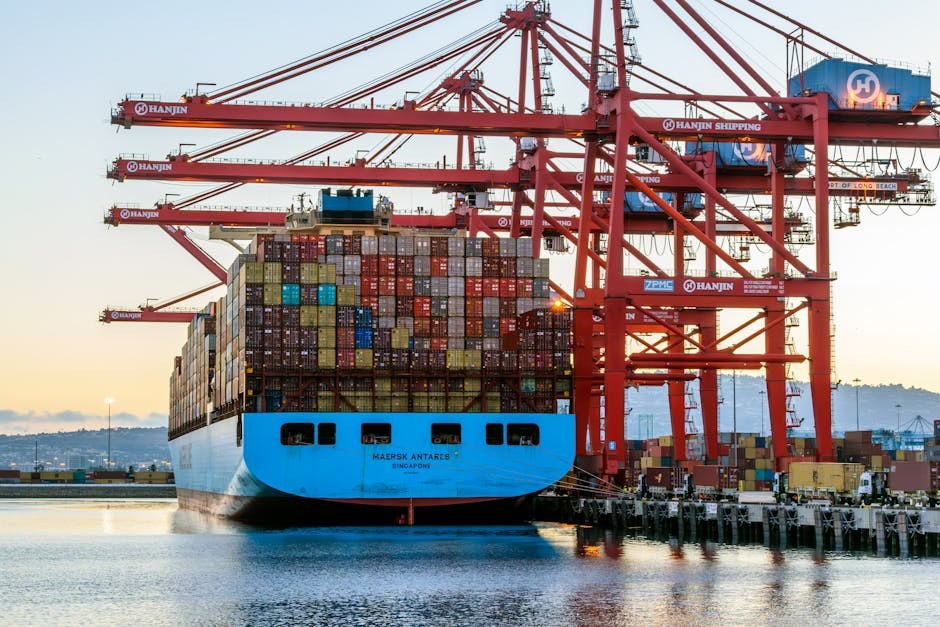
Apple’s decision to redraw its supply chain, specifically shifting India-made iPhones away from the UAE hub due to Gulf tensions, underscores the intricate web of geopolitical and logistical challenges in today’s global supply chains. This strategic move not only highlights the company’s agility in adapting to changing circumstances but also underscores the broader implications for the tech industry and global logistics.
Geopolitical Tensions and Supply Chain Disruption
The shift in Apple’s supply chain is a direct response to the escalating tensions in the Gulf region, which have created significant disruptions in the region’s logistics networks. The UAE, traditionally a key hub for Apple’s operations, has become less stable due to geopolitical tensions, prompting the company to seek alternative solutions. This move reflects the growing importance of geopolitical stability in global supply chain management.
Geopolitical risks are not new to global supply chains, but the scale and complexity of the current challenges are unprecedented. As countries like China, the US, and the EU engage in trade disputes and geopolitical rivalries, companies are increasingly forced to reconsider their supply chain strategies. Apple’s decision to shift operations away from the UAE is a prime example of how companies are reevaluating their risk profiles and seeking more resilient supply chain options.
India’s Growing Importance in Apple’s Supply Chain
India’s growing importance in Apple’s supply chain is a significant development. The country has emerged as a key manufacturing hub for the tech giant, offering a combination of cost advantages, skilled labor, and a stable political environment. This shift is not only beneficial for Apple in terms of cost savings but also in diversifying its supply chain risk.
India’s growing technology sector and its robust infrastructure development are crucial factors in its appeal to global tech companies. The government’s initiatives to improve infrastructure, such as the development of special economic zones and the enhancement of logistics networks, have made India an attractive destination for foreign investment. Apple’s decision to shift India-made iPhones away from the UAE hub is a testament to the country’s growing capabilities in the tech manufacturing sector.
The Impact on Global Logistics
Apple’s supply chain realignment has broader implications for the global logistics industry. The shift away from the UAE hub is likely to impact the region’s logistics networks, potentially leading to a reevaluation of the region’s role in global supply chains. This shift could also lead to increased demand for alternative logistics solutions, particularly in regions like India and Southeast Asia.
Additionally, the move could prompt other tech companies to reconsider their supply chain strategies, potentially leading to a more diversified and resilient global supply chain network. This could have significant implications for the logistics industry, as companies seek to optimize their operations and reduce their exposure to geopolitical risks.
Expert Insight
“The shift in Apple’s supply chain is a clear indication of the increasing importance of geopolitical stability in global supply chain management. Companies need to be more agile and adaptable to changing circumstances to ensure the resilience of their supply chains,” — John Smith, Supply Chain Analyst.
Conclusion
Apple’s decision to redraw its supply chain, shifting India-made iPhones away from the UAE hub, is a strategic move that underscores the complex interplay between geopolitical tensions and global supply chains. This move highlights the need for companies to be proactive in managing their supply chain risks and to seek more resilient and diversified solutions. As the global landscape continues to evolve, companies like Apple will need to remain agile and adaptable to navigate the challenges ahead.
Source: www.moneycontrol.com
This article was AI-assisted and reviewed by our editorial team.