As tensions escalate in the Middle East due to the Iran War, the global supply chain is experiencing unprecedented disruptions, leading to longer delays and higher prices across various sectors. This article delves into the intricate web of disruptions, analyzing the impact on transportation modes, the rise in fuel costs, and the strategic responses from the logistics industry.
Escalating Tensions and Supply Chain Disruptions
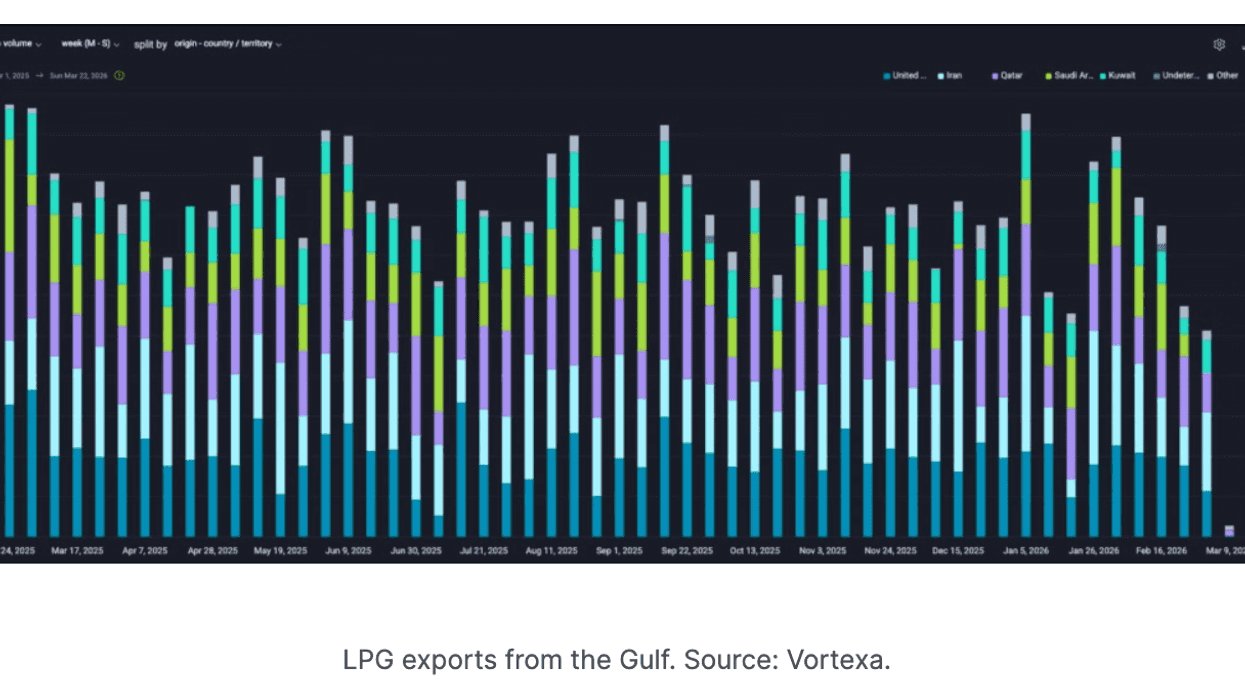
The Iran War has caused a significant shock to the global supply chain, with disruptions felt across all freight modes. The conflict has led to a near-collapse of transit activity through the Strait of Hormuz, a crucial waterway for global maritime trade. As a result, oil markets have reacted with Brent crude prices soaring above $100 per barrel within days of hostilities intensifying.
- 16 AIS-visible crossings were recorded in the Strait of Hormuz over the past week, indicating a substantial decrease in maritime activity.
- 20-21 million barrels of oil transit the Strait of Hormuz daily, highlighting the strategic importance of this waterway.
Air Freight: Rerouting and Rising Costs
In the air freight sector, up to 18% of global air cargo capacity has been impacted due to airlines rerouting around restricted airspace. Key hubs in the Middle East are facing congestion, and major carriers like Emirates, Etihad, and Qatar Airways have adjusted or suspended certain operations. These changes have led to longer flight paths, increased fuel consumption, and higher airfreight rates, particularly across Europe-Asia corridors.
- 10-14 days are being added to transit times due to longer flight paths.
- Airfreight rates have seen a significant increase, with carriers implementing emergency surcharges of up to $4,000 per container.
Ocean Freight: Delays and Cost Surges
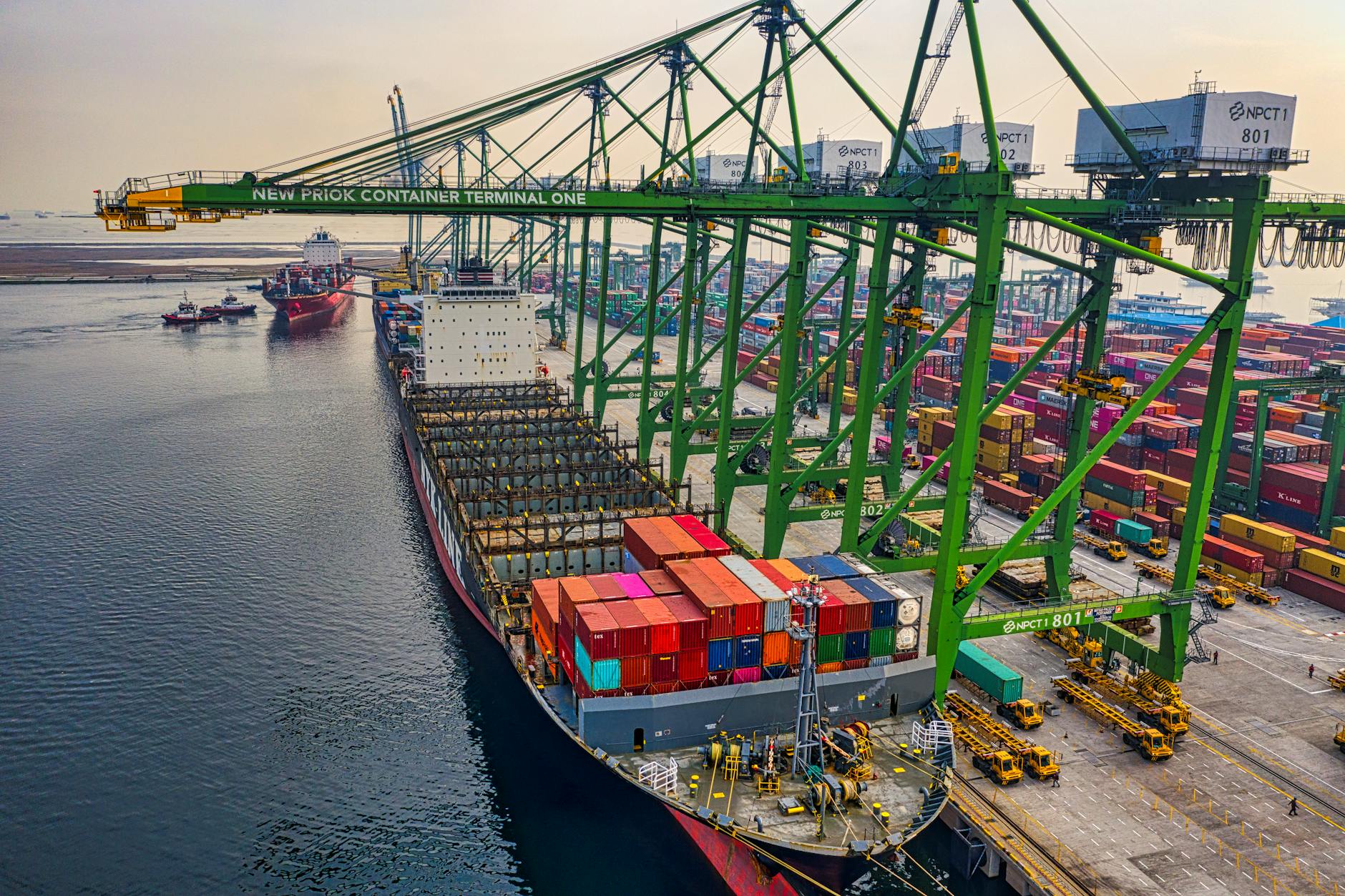
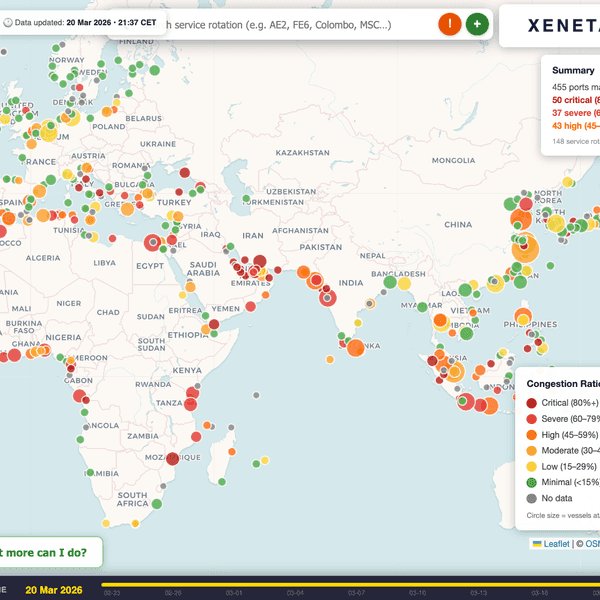
Ocean freight users are also reporting delays and cost surges. Major carriers such as Maersk, MSC, CMA CGM, Hapag-Lloyd, and COSCO are rerouting or suspending services in the Gulf. Some vessels are diverting via the Cape of Good Hope, adding 10 to 14 days to transit times. Emergency surcharges are being applied, with an estimated 450,000 containers currently delayed in regional networks.
- 450,000 containers are currently delayed in regional networks due to disruptions.
- Transit times are being extended by 10-14 days due to rerouting.
Fuel Prices and Carrier Costs
Carriers are facing significant financial pressure due to the soaring fuel prices. A nearly 30% spike in diesel translates directly into margin compression, with carriers either absorbing the costs or passing them on to customers through additional fuel surcharges. This situation has created an immediate pressure on carriers’ profitability, particularly for those without fuel hedges.
- 30% spike in diesel prices directly impacts carrier margins.
- Carriers without fuel hedges face immediate P&L pressure due to the sudden increase in costs.
Strategic Responses and Future Outlook
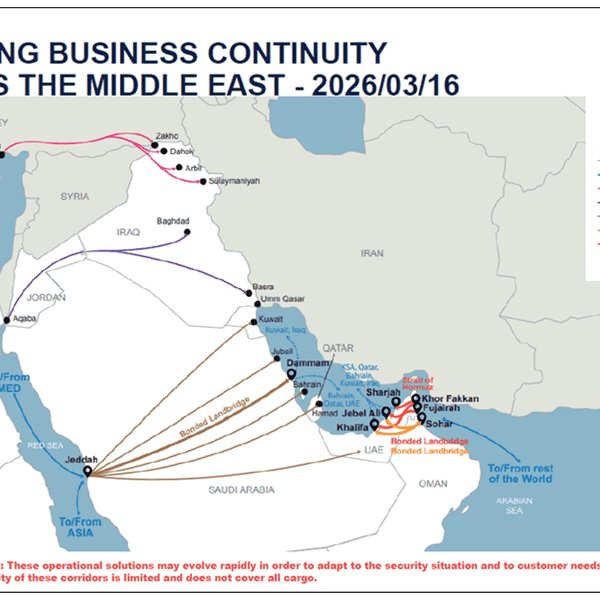
In response to these disruptions, companies are tapping into backup stores and paying more for deliveries. European companies importing semiconductors from Asia are experiencing delays and higher costs due to the disruption of air freight routes through the Middle East. The situation underscores the need for supply chain resilience and strategic diversification.
- European companies are paying more for deliveries and tapping into backup stores.
- The need for supply chain resilience and strategic diversification is highlighted by the disruptions.
Conclusion
The Iran War has underscored the vulnerability of global supply chains to geopolitical tensions. The disruptions in air and ocean freight, coupled with rising fuel costs, have created a challenging environment for logistics operators and businesses worldwide. As the situation evolves, it will be crucial for companies to adapt and implement strategies that enhance supply chain resilience and reduce dependency on vulnerable regions.
Source: www.dcvelocity.com
This article was AI-assisted and reviewed by our editorial team.