According to www.chrobinson.com, the global ocean freight market entered January 2026 amid a confluence of seasonal demand spikes, structural overcapacity, and geopolitical uncertainty—particularly around the Suez Canal. U.S. container imports in November 2025 fell 11.6% year over year, an improvement over the previously forecasted 19.7% decline; December saw a 12.7% YoY drop. Full-year 2025 imports are projected at 25.2 million twenty-foot equivalent units (TEUs), down just 1.4% from 2024. January is expected to mark the first month-over-month import increase in six months—though volumes will remain below 2025 levels.
Pre–Lunar New Year Surge & Capacity Management
Imports into the United States are anticipated to rise ahead of the Lunar New Year on February 15, as shippers accelerate cargo before factory closures. This short, intense surge will create temporary demand pressure on ports, drayage, inland trucking, and regional distribution. Meanwhile, global ocean demand growth is forecast at only 1–2% in 2026. Carriers continue deploying blank sailings and selective service adjustments to manage excess fleet capacity—compounded by minimal vessel scrapping relative to fleet growth and the reopening of the Suez Canal.
Suez Canal: Cautious, Phased Resumption
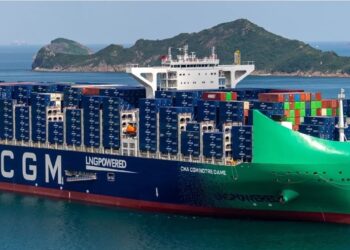
Any broader resumption of Suez Canal services remains contingent on a sustained Middle East cease-fire and reduced war-risk insurance costs. CMA CGM plans to restart select Suez services in January 2026, marking the first major carrier commitment—and one being managed cautiously to avoid renewed congestion. Other carriers have yet to confirm participation. The Red Sea security situation continues to reroute vessels around Africa, effectively removing roughly 10% of global capacity due to longer voyages reducing annual sailing frequency.
Regional Dynamics: Asia–North America & Asia–Europe
Asia-to-North America demand is expected to remain soft through January and into early 2026. Spot rates may see limited increases in January—especially on U.S. West Coast (USWC) lanes—driven by pre–Lunar New Year booking activity. U.S. East Coast (USEC) rates remain softer, though targeted blank sailings should help support pricing stability. Congestion persists at Singapore and other Southeast Asian transshipment hubs, extending transit times due to vessel bunching, infrastructure limitations, and spillover from Red Sea diversions.
Asia-to-Europe conditions are expected to remain generally stable through January—but schedule reliability remains challenged by congestion at European ports (including Antwerp, Hamburg, and Rotterdam) and transshipment hubs. Strong capacity utilization and pre–Lunar New Year demand are expected to keep spot rates on an upward trajectory through mid-January, with tighter booking requirements in place.
Domestic Trucking Linkages
- Recent winter tightness in the domestic U.S. trucking market appears tied to seasonality, weather, and equipment and driver availability—not sustained demand growth
- Overall domestic freight demand remains relatively flat, even as pre–Lunar New Year imports temporarily elevate port activity
- Inland trucking pressure is driven more by timing and concentration of shipments than by broad market shifts
Shippers moving cargo from Asia to the United States should plan closely around blank sailing schedules, with early bookings and proactive communication critical through January. For Europe-bound cargo, extended transit times are expected, and carriers’ Suez-related announcements must be monitored closely.
Source: www.chrobinson.com
Compiled from international media by the SCI.AI editorial team.