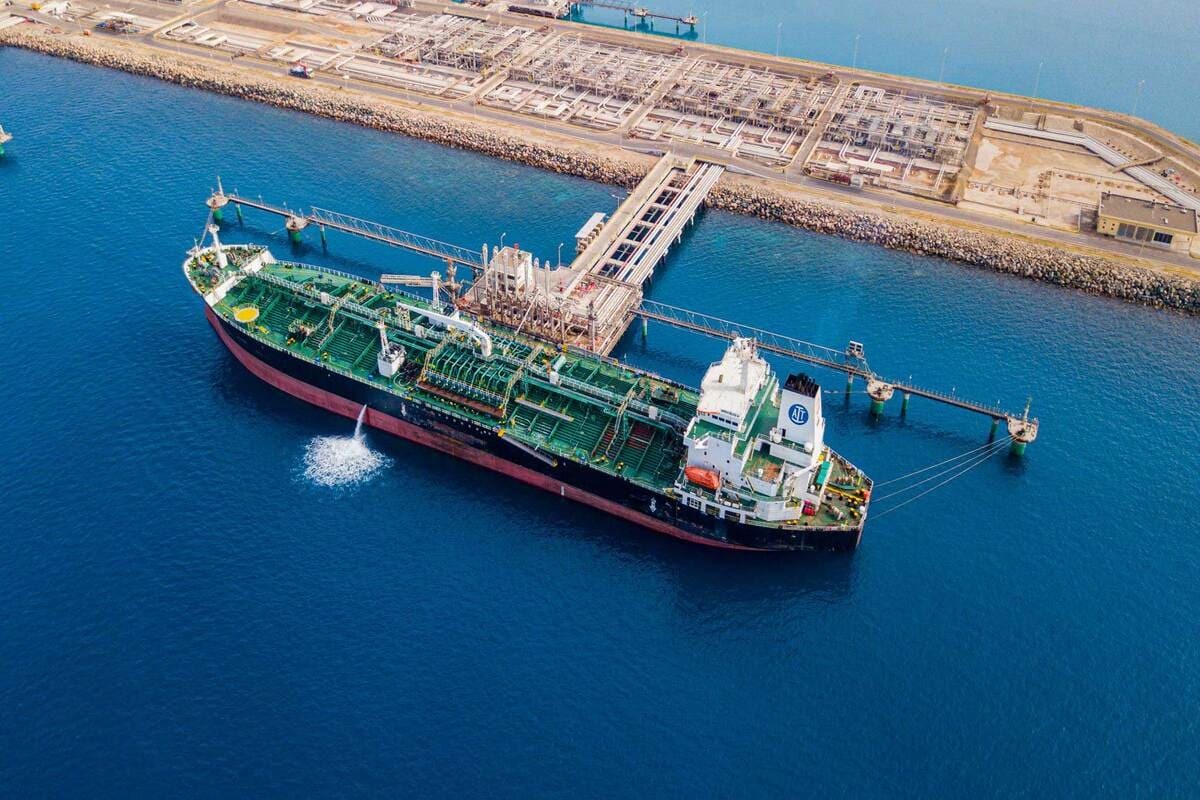
According to economymiddleeast.com, the Saudi Ports Authority (Mawani) has launched the Red Sea Express container line in cooperation with Folk Maritime, the Saudi Basic Industries Corporation (SABIC), and the Red Sea Gateway Terminal.
First voyage and operational scope
The service commenced operations on Mon 29 Jun 2026, with its inaugural voyage arriving at King Fahad Industrial Port in Yanbu. Mawani announced via the X platform that the first shipment carried a capacity of 1,100 standard containers. The route directly connects Yanbu, Jeddah Islamic Port, Ain Sokhna Port in Egypt, and Aqaba Port in Jordan — forming a dedicated maritime corridor across the Red Sea.
This four-port linkage is designed to accelerate cargo movement between Saudi industrial zones and key regional markets, reducing reliance on transshipment hubs and shortening end-to-end transit times. According to the report, the corridor supports Saudi Arabia’s National Transport and Logistics Strategy, which targets positioning the Kingdom as a global logistics hub linking Asia, Africa, and Europe through integrated port infrastructure and shipping services.
Industrial export acceleration
SABIC confirmed it exported its first container shipment of polymer products from King Fahad Industrial Port in Yanbu using the new Red Sea Express line. This direct shipment strengthens SABIC’s distribution efficiency and expands access to customers in Egypt and Jordan. The initiative reflects coordinated action among national entities — including Folk Maritime and SABIC — to deepen regional logistics integration.
The source states that the route is expected to streamline supply chain operations and reduce transit times across critical trade corridors. It also supports Saudi industrial exporters by offering predictable, high-frequency sailings — a shift from previous reliance on third-party carriers with indirect routing. In recent years, Saudi ports have progressively introduced direct shipping services to global and regional destinations, reinforcing the Kingdom’s role in petrochemical and manufacturing supply chains.
Strategic port capacity and economic impact
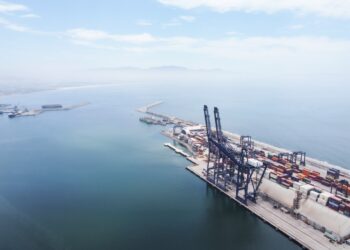
King Fahad Industrial Port in Yanbu handles crude oil, refined products, and petrochemicals, with an annual capacity of up to 210 million tons. This underscores its centrality not only to domestic industry but also to regional trade networks. The Red Sea Express further integrates this capacity into a broader maritime ecosystem anchored by Jeddah Islamic Port and extended to Ain Sokhna and Aqaba.
The service is projected to improve cargo handling speed, cut vessel waiting times, and elevate overall maritime sector performance. According to the report, it will contribute to increased non-oil exports — aligning with Saudi Vision 2030’s economic diversification goals. By lowering logistics costs and shipping times, the corridor enhances the international competitiveness of Saudi goods. Related initiatives include Mawani’s $586 million port privatization contracts and a $133 million ship refueling hub launched at King Fahad Industrial Port — both aimed at boosting growth in the maritime sector.
Broader regional context
The launch follows Saudi Arabia’s Logistics Corridors Initiative, which seeks to strengthen Red Sea port connectivity. The Red Sea Express complements other infrastructure investments, such as the $24.1 billion fiscal surplus recorded in Q1 2026, alongside total trade valued at $141.25 billion — reflecting 4.5 percent year-on-year growth.
For supply chain professionals, the corridor offers a tangible reduction in lead time variability between industrial production centers in Yanbu and consumption or distribution hubs in Egypt and Jordan. Unlike legacy routes requiring multiple handovers or inland transport legs, this all-maritime, four-port loop enables just-in-time replenishment for regional manufacturers and distributors. The source notes that Saudi Ports Authority achieved a record export volume of 127,844 TEUs in October — indicating growing throughput capacity ahead of the Red Sea Express rollout.
Source: economymiddleeast.com
Compiled from international media by the SCI.AI editorial team.