According to finance.yahoo.com, major global carriers are distributing over $1 billion in U.S. tariff refunds to customers — with FedEx alone holding $800 million for customer reimbursement and UPS estimating its total potential refund at $5 billion.
FedEx initiates August customer payouts
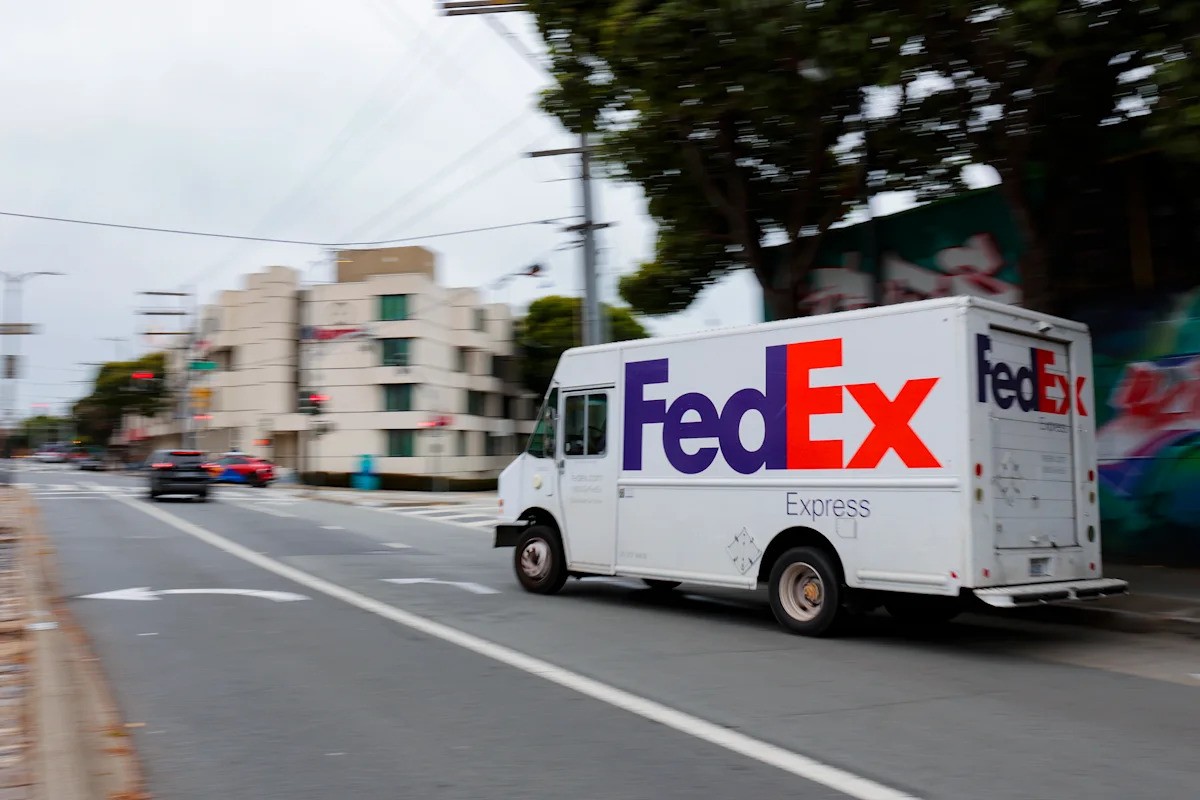
FedEx (FedEx) confirmed on its most recent earnings call that it has received $800 million in tariff refunds from the U.S. government under the Customs and Border Protection (CBP) CAPE program. Brie Carere, the company’s chief customer officer, stated that these funds are “being held for refund to customers” and that disbursements will begin in August.
The company’s position reflects its role as Importer of Record (IOR) for many small- and medium-sized shippers — a structure that makes tariff line items transparent on invoices and increases pressure to pass refunds directly. FedEx CEO Raj Subramaniam noted during the same earnings call that the company achieved strong financial results “despite several significant headwinds, particularly global trade policy changes.”
DHL and UPS advance refund execution
DHL (DHL) confirmed to Yahoo Finance this week that tariff refund payments have already begun flowing to customers. A spokesperson declined to disclose the exact dollar amount DHL requested but affirmed that “DHL is reconciling those amounts and returning the funds to the customers that originally paid the duties.”
UPS (UPS) CEO Carol Tomé disclosed on a recent earnings call that the company has applied for $500 million as part of phase 1 of the CBP program — representing an initial tranche of its estimated $5 billion total eligibility. “We are just a pass-through,” she said. “As soon as we get that money, we are going to remit it right back to our customer.” UPS added in a formal statement that it “will expand our efforts as CBP launches future phases.”
CAPE program expands through June and July
The U.S. government’s Customs and Border Protection (CBP) CAPE (Customs Administrative Penalty Elimination) program is rolling out in three phases: phase 1 is active; phase 2 launches on June 29, 2026; and phase 3 is scheduled for completion by the end of July 2026. These expansions broaden eligibility to tariffs paid over the past 14 months, dating back to when former President Trump announced broad-based duties.
The total tariff burden under legal challenge is estimated at $166 billion. While shipping firms benefit from direct IOR billing transparency, other sectors face more complex redistribution paths — especially where tariffs were embedded in product costs rather than itemized.
Broader corporate responses and legal context
Beyond logistics providers, retailers including Costco and Walmart face mounting legal and customer pressure. Over a dozen lawsuits have been filed against companies seeking tariff reimbursements. Costco CEO Ron Vachris pledged refunds would be returned to customers “in some form,” while Walmart announced price cuts on 7,200 products using its tariff refund proceeds.
The refunds stem from duties collected under the International Emergency Powers Act of 1977 — now deemed unlawful by federal courts. Additional uncertainty persists around current 10% global tariffs imposed under Section 122 of the Trade Act of 1974, which remain subject to ongoing legal challenges. A new permanent tariff framework is expected as early as July 2026.
Source: finance.yahoo.com
Compiled from international media by the SCI.AI editorial team.