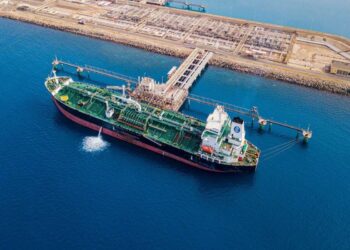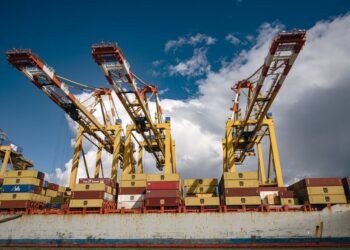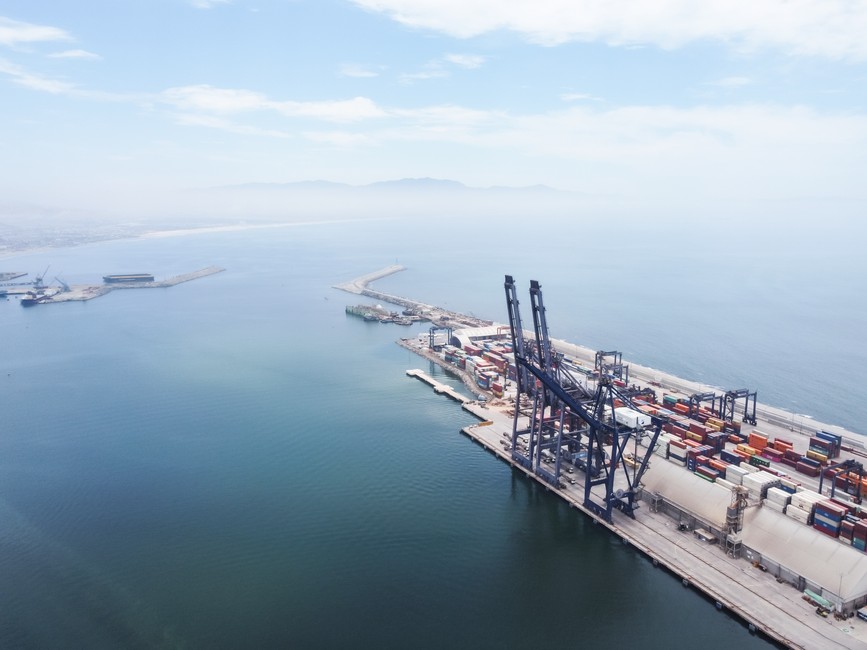
Tensions in the Middle East are driving higher energy, shipping and commodity costs, which are expected to materialize in Q2, CFO Monica Vicente said.
Financial impact tied to Red Sea disruption
Del Monte Corp., formerly known as Fresh Del Monte Produce, faces a headwind of about $40 million primarily driven by elevated ocean freight expenses. The company attributes this pressure to ongoing geopolitical tensions in the Middle East, particularly those affecting maritime routes through the Red Sea and Suez Canal. These disruptions have forced carriers to reroute vessels around the Cape of Good Hope, significantly increasing voyage duration and fuel consumption.
The financial impact is projected to hit the company’s second fiscal quarter of 2026. According to Monica Vicente, Chief Financial Officer of Del Monte Corp., the elevated costs stem not only from longer transit times but also from higher bunker fuel prices and increased insurance premiums for vessels transiting high-risk zones.
Operational exposure in Costa Rica
A banana plant located in Costa Rica — part of Del Monte Corp.’s global agricultural footprint — exemplifies the company’s direct exposure to these logistics pressures. The facility relies on ocean freight to export perishable produce to North America and Europe. Rising shipping costs directly affect landed cost calculations, margin compression, and pricing decisions across its fresh fruit portfolio.
Del Monte’s supply chain includes multiple origin points across Latin America, with Costa Rica serving as a key hub for banana production and export. The company reported that approximately 78% of its international produce shipments move via ocean container, making it highly sensitive to freight rate volatility.
Broader industry context
The situation reflects wider challenges facing global food exporters. According to Highway’s 2025 Freight Fraud Index, carrier fraud and compliance risks have intensified alongside logistical complexity — with nearly 2 million fraudulent email attempts and 8.5 million spoofed phone numbers blocked during 2025. While Del Monte’s current headwind stems from freight economics rather than fraud, the convergence of geopolitical risk, carrier verification challenges, and cost inflation underscores systemic vulnerabilities.
Transfix has integrated Highway’s carrier identity and compliance technology directly into its transportation management system, enabling automated vetting of carriers during load booking — a capability increasingly critical amid rising operational risk.
Strategic response and outlook
In response, Del Monte is evaluating alternative routing options, renegotiating long-term freight contracts, and accelerating digital procurement tools to improve real-time cost visibility. The company confirmed no planned price increases for consumers at this stage, opting instead to absorb part of the $40 million impact while optimizing inland logistics and port-handling efficiency.
report, brokerage operations and compliance teams can verify carrier legitimacy, insurance status and operating authority as carriers are sourced and onboarded — a process now embedded within Transfix’s TMS workflow. Del Monte’s internal logistics team is exploring similar integrations to strengthen pre-award carrier validation, especially for high-value, time-sensitive shipments originating from Costa Rica.
Source: Supply Chain Dive
Compiled from international media by the SCI.AI editorial team.