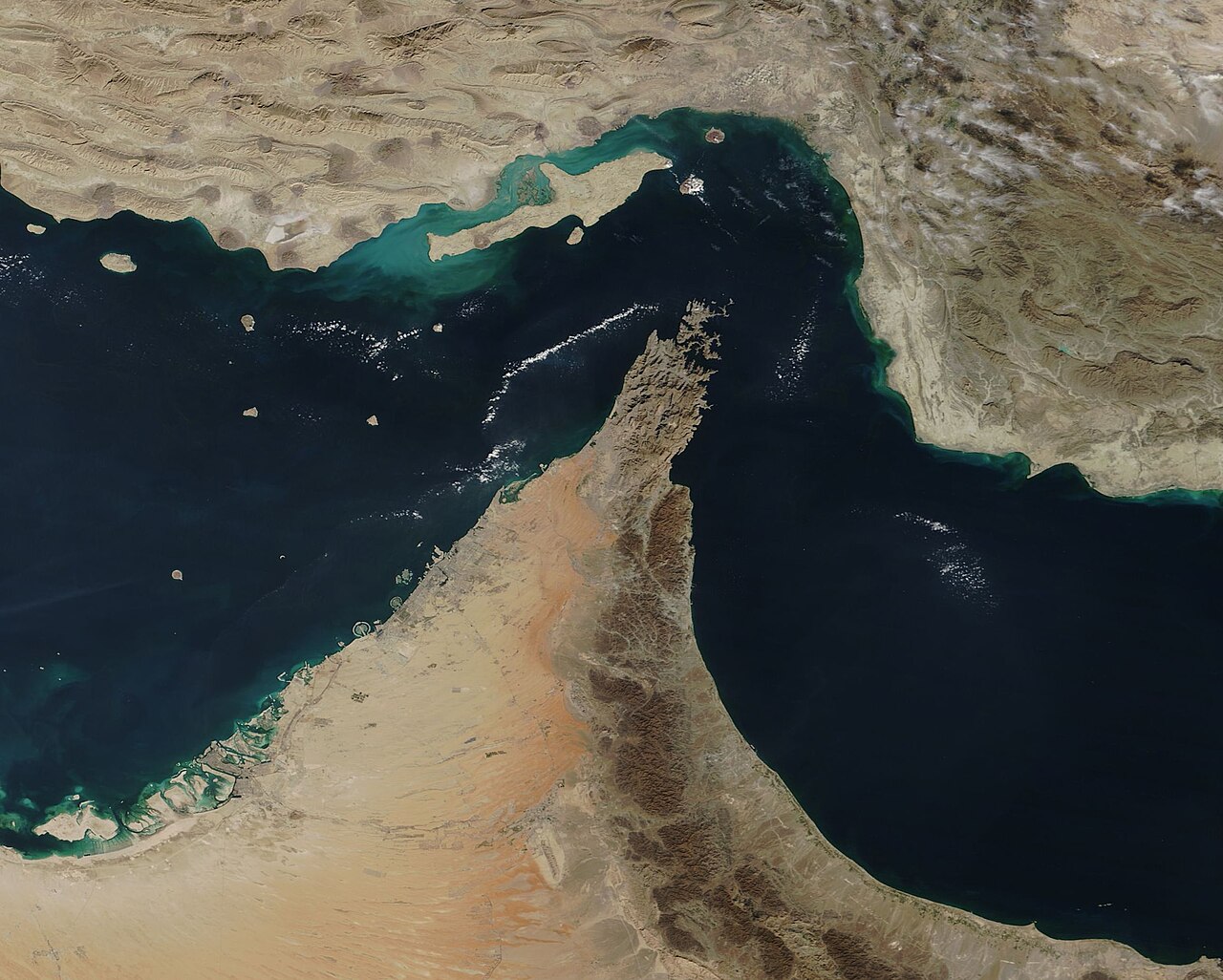
According to www.chosun.com, the ongoing blockade of the Strait of Hormuz—beginning in early March 2026—is triggering severe supply chain disruptions across Asia, with acute effects on Japan and South Korea’s semiconductor and automotive sectors.
Immediate Operational Impacts
The blockade has severely curtailed oil and gas shipments from the Middle East, directly constraining energy availability for energy-intensive manufacturing. Semiconductor fabrication facilities in Japan and South Korea face raw material shortages due to both energy instability and delayed chemical precursors typically shipped via Gulf routes. Automotive manufacturers—including Toyota, Honda, and Hyundai—are reporting critical component shortages, particularly for electronics, wiring harnesses, and specialty metals dependent on just-in-time delivery.
Economic and Logistical Strain
- Shipping costs have surged by 300–500% as vessels reroute around the Cape of Good Hope instead of transiting the Strait.
- Marine insurance premiums for vessels operating in or near the region have skyrocketed—though exact percentage increases are not specified in the source.
- The crisis is projected to persist through Q2 2026, with potential economic damage reaching billions of dollars.
Vulnerability and Response Measures
Japan and South Korea’s exposure stems from structural dependencies: over 80% of Japan’s crude oil imports and nearly 70% of South Korea’s come from the Middle East (per 2025 IEA data), and both nations rely on uninterrupted power for 24/7 semiconductor fabs. While companies are increasing safety stock and evaluating alternative logistics corridors—including expanded use of the Trans-Siberian Railway and enhanced air freight for high-value components—these measures remain costly and capacity-constrained. No official government contingency plans are cited in the source, but industry analysts warn that prolonged disruption could accelerate long-standing efforts toward supply chain diversification and regional energy storage investment.
Source: www.chosun.com
Compiled from international media by the SCI.AI editorial team.