Explore

  • Trending
  • Latest
  • Tools
  • Browse
  • Subscription Feed

Logistics

  • Ocean
  • Air Cargo
  • Road & Rail
  • Warehousing
  • Last Mile

Regions

  • Southeast Asia
  • South Asia
  • Central Asia
  • Japan & Korea
  • Middle East
  • Europe
  • Russia
  • Africa
  • North America
  • Latin America
  • Australia
SCI.AI
  • Supply Chain
    • Strategy & Planning
    • Logistics & Transport
    • Manufacturing
    • Inventory & Fulfillment
  • Procurement
    • Strategic Sourcing
    • Supplier Management
    • Supply Chain Finance
  • Technology
    • AI & Automation
    • Robotics
    • Digital Platforms
  • Risk & Resilience
  • Sustainability
  • Research
  • Expert Columns
  • English
    • Chinese
    • English
No Result
View All Result
  • Login
  • Register
SCI.AI
No Result
View All Result
Home Risk & Resilience Geopolitics

4PL Adoption Rising: How Fourth-Party Logistics Is Reshaping Global Trade

2026/04/23
in Geopolitics, Risk & Resilience, Trade & Tariffs
0 0
4PL Adoption Rising: How Fourth-Party Logistics Is Reshaping Global Trade

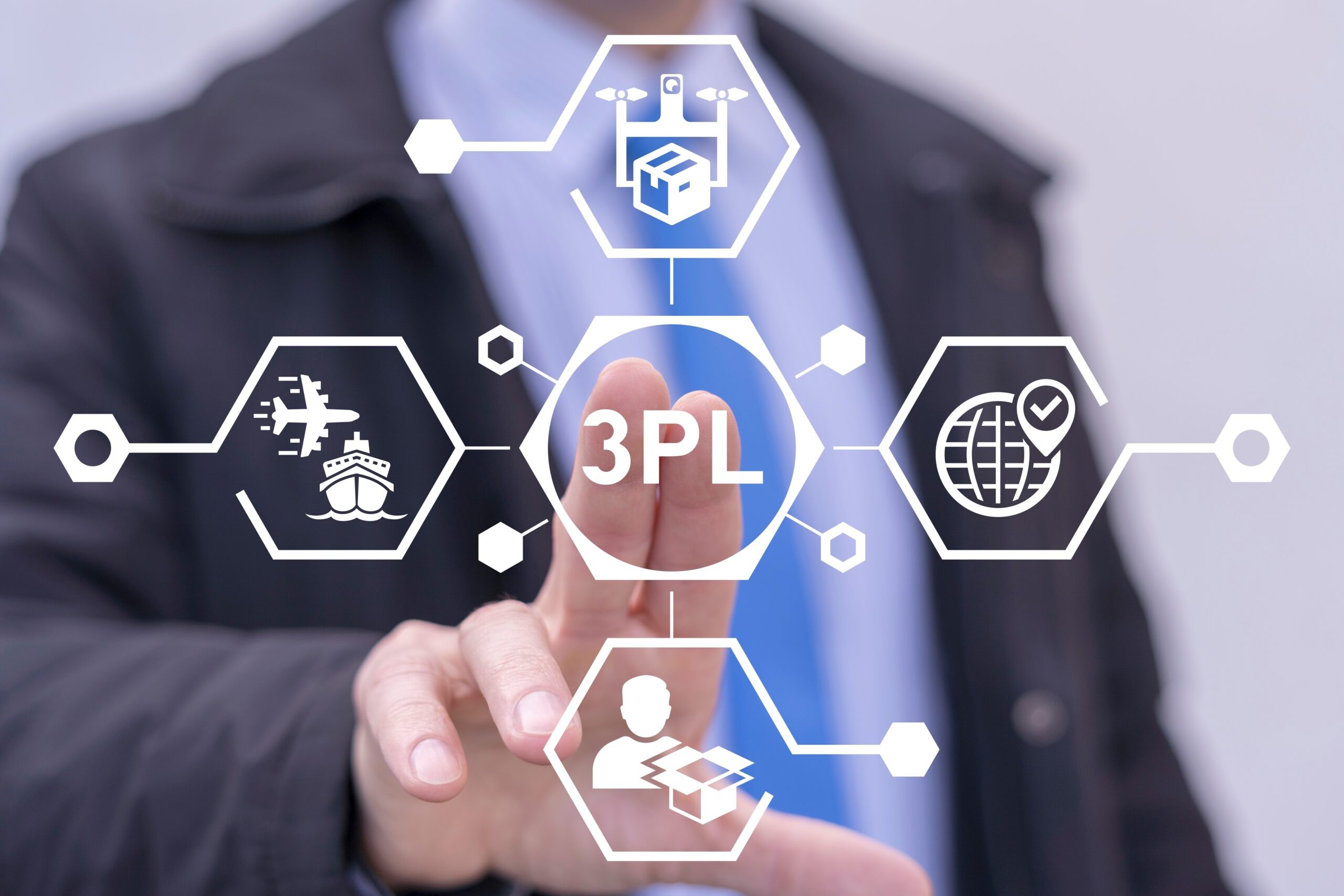
According to www.globaltrademag.com, global trade is evolving rapidly as businesses seek faster, more efficient, and more integrated logistics solutions — prompting a structural shift from third-party logistics (3PL) to fourth-party logistics (4PL) models. Traditional logistics frameworks are no longer sufficient to handle the growing complexity of modern supply chains.

Defining 3PL vs. 4PL Models

A third-party logistics provider offers discrete services such as transportation, warehousing, and distribution — helping businesses manage specific segments of their supply chain. While effective, 3PLs often operate in functional silos, limiting end-to-end coordination.

In contrast, a fourth-party logistics provider manages the entire supply chain on behalf of a client. It acts as a single point of contact, coordinating multiple service providers and integrating all logistics activities — from procurement and freight forwarding to customs compliance and real-time tracking.

Key Drivers of the 4PL Transition

  • Increasing supply chain complexity across geographies and regulatory regimes
  • Demand for greater visibility and strategic control over logistics operations
  • Need for seamless integration of technology, data, and multi-modal transport networks
  • Pressure to improve responsiveness amid geopolitical disruptions and trade uncertainty

The shift enables better coordination, improved visibility, and more strategic oversight — directly influencing how goods move across borders and how trade compliance is managed at scale.

Operational Impact on Global Supply Chains

This transition is not merely a vendor upgrade; it reflects a fundamental reconfiguration of responsibility and capability. According to the report, 4PL models support end-to-end supply chain management, moving beyond transactional execution toward holistic orchestration. As noted in the source, this evolution is changing how companies manage logistics — with implications for carrier selection, inventory planning, customs documentation timelines, and cross-border data sharing protocols.

“The transition from 3PL to 4PL is changing how companies manage their supply chains. It is enabling better coordination, improved visibility, and more strategic control over logistics operations.”

For supply chain professionals, this means evolving from managing service-level agreements with individual vendors to governing integrated performance dashboards, unified KPIs, and shared data ecosystems. It also entails deeper collaboration with IT, compliance, and finance teams to align logistics strategy with broader enterprise risk and ESG objectives — particularly as digital twins, AI-driven analytics, and real-time tracking become baseline expectations rather than differentiators.

Source: www.globaltrademag.com

Compiled from international media by the SCI.AI editorial team.

More on This Topic

  • Bubble Robotics Raises $5M for Offshore Autonomous Systems (Apr 23, 2026)
  • Supply Chain Risk Normalization: 3 Overlapping Threats in Q1 2026 (Apr 23, 2026)
  • Oakland Port March Container Volume Up 7.1% (Apr 23, 2026)
  • IEEPA Tariff Refund Process Begins After $163B Invalidated (Apr 23, 2026)
  • 2026 Supply Chain Disruption: 72% Cite U.S. Tariff Volatility as Top Regulatory Risk (Apr 23, 2026)
ShareTweet

Related Posts

Bubble Robotics Raises $5M for Offshore Autonomous Systems
Disruptions

Bubble Robotics Raises $5M for Offshore Autonomous Systems

April 23, 2026
1
Supply Chain Risk Normalization: 3 Overlapping Threats in Q1 2026
Disruptions

Supply Chain Risk Normalization: 3 Overlapping Threats in Q1 2026

April 23, 2026
0
Oakland Port March Container Volume Up 7.1%
Disruptions

Oakland Port March Container Volume Up 7.1%

April 23, 2026
0
IEEPA Tariff Refund Process Begins After $163B Invalidated
Geopolitics

IEEPA Tariff Refund Process Begins After $163B Invalidated

April 23, 2026
2
2026 Supply Chain Disruption: 72% Cite U.S. Tariff Volatility as Top Regulatory Risk
Disruptions

2026 Supply Chain Disruption: 72% Cite U.S. Tariff Volatility as Top Regulatory Risk

April 23, 2026
1
Top 10 Supply Chain Risks of 2026 for Global Procurement
Disruptions

Top 10 Supply Chain Risks of 2026 for Global Procurement

April 23, 2026
0

Leave a Reply Cancel reply

Your email address will not be published. Required fields are marked *

Recommended

2025 Global Semiconductor Equipment Billings Hit $135B

2025 Global Semiconductor Equipment Billings Hit $135B

7 Views
April 14, 2026
AI in Risk Management: 7 Real-World Supply Chain Interventions

AI in Risk Management: 7 Real-World Supply Chain Interventions

12 Views
March 28, 2026
Southeast Asia Supply Chain Shift: 50–60% Lower Labor Costs

Southeast Asia Supply Chain Shift: 50–60% Lower Labor Costs

4 Views
April 21, 2026
SIU物流专家:可能的码头罢工对供应链可能产生巨大的影响

SIU Logistics Expert: Potential Dockworker Strikes Could Have Significant Impact on Supply Chains

9 Views
February 16, 2026
Show More

SCI.AI

Global Supply Chain Intelligence. Delivering real-time news, analysis, and insights for supply chain professionals worldwide.

Categories

  • Supply Chain Management
  • Procurement
  • Technology


  • Risk & Resilience
  • Sustainability
  • Research

© 2026 SCI.AI. All rights reserved.

Powered by SCI.AI Intelligence Platform

Welcome Back!

Sign In with Facebook
Sign In with Google
Sign In with Linked In
OR

Login to your account below

Forgotten Password? Sign Up

Create New Account!

Sign Up with Facebook
Sign Up with Google
Sign Up with Linked In
OR

Fill the forms below to register

All fields are required. Log In

Retrieve your password

Please enter your username or email address to reset your password.

Log In

Scan to share via WeChat

Open WeChat and scan the QR code to share

QR Code

Add New Playlist

No Result
View All Result
  • Supply Chain
    • Strategy & Planning
    • Logistics & Transport
    • Manufacturing
    • Inventory & Fulfillment
  • Procurement
    • Strategic Sourcing
    • Supplier Management
    • Supply Chain Finance
  • Technology
    • AI & Automation
    • Robotics
    • Digital Platforms
  • Risk & Resilience
  • Sustainability
  • Research
  • Expert Columns
  • English
    • Chinese
    • English
  • Login
  • Sign Up

© 2026 SCI.AI