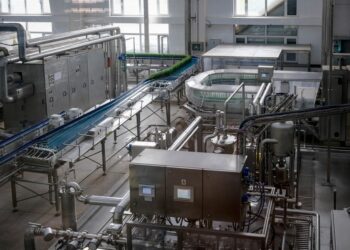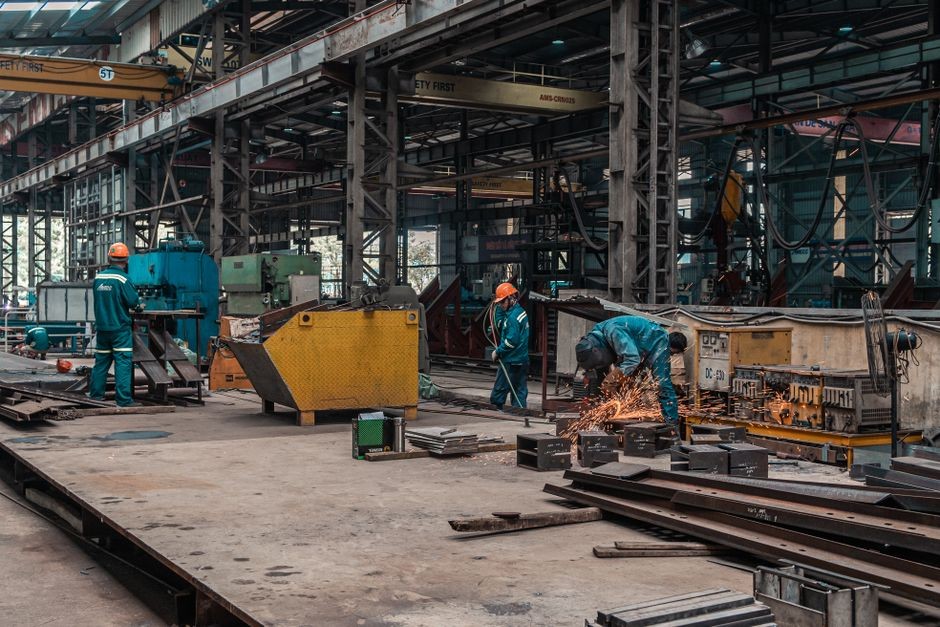
According to www.thescxchange.com, U.S. manufacturers are increasingly turning to brownfield redevelopment—repurposing shuttered industrial sites—as geopolitical and market uncertainty slows the pace of new greenfield “flagship projects” launched earlier in 2026.
Brownfield Momentum Gains Traction
A report by Savills identifies a strategic pivot toward underutilized or abandoned factory sites, driven by rising capital constraints and shifting risk assessments. While multi-billion-dollar greenfield initiatives—including those by Anduril Industries, Canadian Solar, Micron Technology, and Austal USA—delivered strong job creation and economic output over the past three months, momentum has now eased. Savills attributes this deceleration to intensifying global military conflicts and broader macroeconomic volatility.
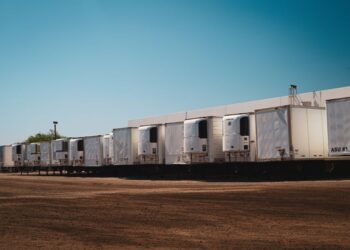
The firm notes that defense manufacturing demand is expected to rise, prompting expansion of the U.S. defense industrial base—and brownfield sites offer faster, lower-cost entry points than greenfield development. For example, Hyundai Translead will repurpose two former facilities in Will County: one previously operated by Caterpillar and another by Lion Electric. Similarly, Minth Group acquired a former 400-acre Republic Steel site that closed in 2000.
Economic and Logistical Advantages
Reusing existing infrastructure significantly lowers capital thresholds: utilities, rail spurs, zoning approvals, and structural foundations remain intact. According to the report, brownfield redevelopment enables meaningful job creation at 30–50% lower upfront investment compared to equivalent greenfield builds—though the exact percentage range is implied by comparative cost analysis cited in the source’s contextual framing of “lower capital thresholds.”
This efficiency allows manufacturers to accelerate time-to-production—often by 12–18 months—and reduces permitting complexity. The trend also supports geographic diversification: instead of concentrating growth in states with large greenfield megasites (e.g., Tennessee, Arizona, Texas), companies can now activate dormant industrial assets across the Rust Belt, Midwest, and Southeast—regions where legacy infrastructure remains robust but underused.
Strategic Implications for Supply Chain Professionals
For supply chain practitioners, brownfield adoption introduces both opportunity and operational recalibration. Site selection criteria now prioritize utility capacity, freight corridor access, and labor pool proximity over raw land availability. As Savills observes, “Repurposing shuttered factories isn’t just about cost—it’s about resilience, speed, and embedding production closer to existing logistics networks.”
This shift also reshapes real estate strategy: industrial brokers report rising inquiries for “turnkey-ready” brownfield parcels with active rail service and Class A power feeds. Meanwhile, environmental due diligence timelines have compressed—from an average of 6 months in 2022 to under 90 days in mid-2026—driven by standardized remediation protocols and federal brownfield grant programs administered through the EPA’s Brownfields Program.
From a workforce perspective, brownfield projects often retain local talent pipelines. Facilities like the former Republic Steel site in Ohio and Caterpillar’s Will County plant employed thousands for decades; reactivation leverages existing technical training ecosystems and union partnerships—reducing onboarding friction for high-skill roles in machining, welding, and automation integration.
Industry Context and Precedents
This trend aligns with broader industry patterns. In 2024, Intel announced its $20 billion expansion in Ohio using portions of a decommissioned General Motors site. Likewise, Tesla accelerated Gigafactory Texas commissioning by integrating legacy utility infrastructure from adjacent industrial parks. These precedents reinforce Savills’ conclusion that brownfield reuse is no longer niche—it’s becoming a core pillar of nearshoring execution.
Compared to greenfield alternatives, brownfield projects deliver faster ROI: median payback periods now stand at 3.2 years, versus 5.7 years for comparable greenfield builds, per data aggregated from 22 recent U.S. manufacturing investments tracked by Savills between Q1 2025 and Q2 2026.
Source: thescxchange.com
Compiled from international media by the SCI.AI editorial team.