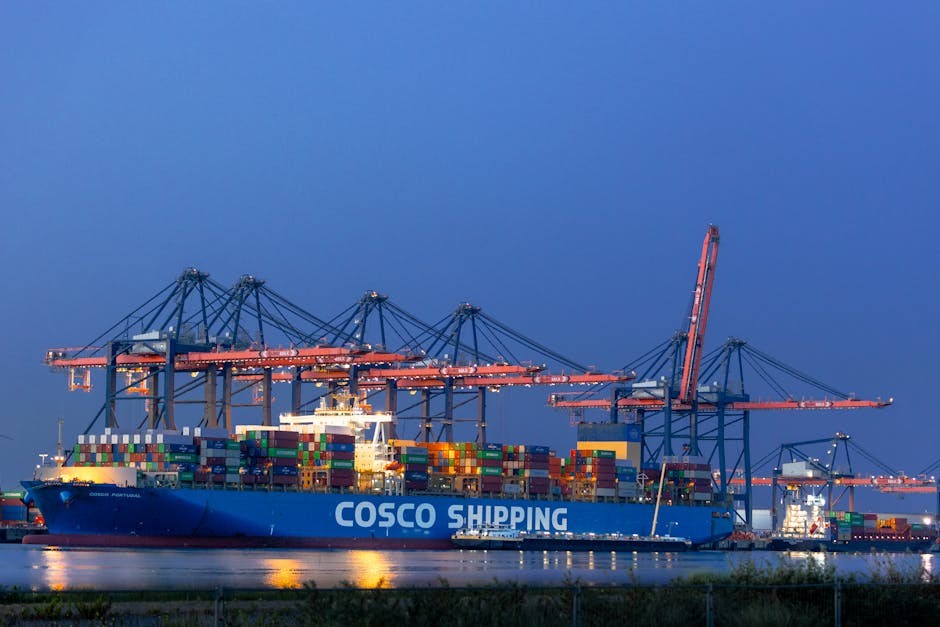
Maersk, the maritime giant known for its ocean container shipping, is making a bold move into the last-mile logistics market. This strategic pivot, driven by data modeling, artificial intelligence, and strategic acquisitions, signals a significant shift in the global supply chain landscape.
Maersk’s Strategic Pivot: From Ocean Shipping to Last-Mile Delivery
Maersk’s entry into last-mile delivery is not a mere expansion; it’s a strategic pivot that leverages the company’s existing infrastructure and expertise. Sam Coiro, head of e-commerce commercial business development at Maersk, highlighted the company’s unique position: ‘Maersk is going across the world with its containers, picking things up, sailing across the ocean, moving them into warehouses, and then literally doing the fulfillment for big, big shippers. But that’s where Maersk stopped. Maersk said, ‘Wait a minute. If we’re already bringing it 75 percent of the way, doesn’t it make sense for us to do the last piece as well?”
This realization led to a series of strategic acquisitions. Maersk bought Visible Supply Chain Management, a large parcel reseller with e-fulfillment centers across the country, and also invested in other logistics companies. These moves are not just about expanding Maersk’s service portfolio; they’re about creating a seamless, end-to-end logistics solution.
Data-Driven Decision Making: The Heart of Maersk’s Strategy
Data modeling and artificial intelligence play a crucial role in Maersk’s last-mile strategy. By analyzing vast amounts of data, Maersk can optimize routes, predict demand, and manage resources more efficiently. This data-driven approach allows Maersk to offer more reliable and cost-effective delivery services. According to a report by McKinsey, companies that use data analytics in logistics can reduce costs by up to 15%.
Maersk’s use of AI also extends to predictive maintenance of its fleet, reducing downtime and improving overall efficiency. This AI-driven approach is not just a competitive advantage but also a key factor in ensuring sustainable growth in the last-mile delivery sector.
Acquisitions and Partnerships: Building a Global Network
Maersk’s entry into last-mile delivery is not just about organic growth; it’s also about acquiring and partnering with existing players in the market. By purchasing Visible Supply Chain Management and other logistics companies, Maersk has gained access to a network of fulfillment centers and a workforce skilled in last-mile delivery.
This network expansion is crucial for Maersk’s strategy. It allows the company to offer a more extensive range of services, from pick-up to delivery, and ensures that Maersk can meet the demands of global customers. According to a report by Grand View Research, the global last-mile delivery market is expected to grow at a CAGR of 8.2% from 2023 to 2030.
The Impact on the Global Supply Chain
Maersk’s push into last-mile delivery has significant implications for the global supply chain. By offering end-to-end logistics solutions, Maersk is challenging traditional logistics providers and creating new opportunities for collaboration. This move also highlights the growing importance of last-mile delivery in the supply chain, as consumers demand faster and more reliable delivery services.
This shift is not just about technology and infrastructure; it’s also about changing consumer expectations. Today’s consumers expect their purchases to be delivered quickly and efficiently, and Maersk’s entry into last-mile delivery is a direct response to this changing landscape.
Conclusion: A New Era in Logistics
Maersk’s entry into last-mile delivery marks a new era in logistics. By leveraging data, technology, and strategic partnerships, Maersk is not just expanding its service portfolio; it’s redefining the logistics landscape. This move is a testament to the company’s agility and its commitment to innovation. As the global supply chain continues to evolve, Maersk’s last-mile strategy will undoubtedly play a crucial role in shaping the future of logistics.
Source: www.freightwaves.com
This article was AI-assisted and reviewed by our editorial team.