Explore

  • Trending
  • Latest
  • Tools
  • Browse
  • Subscription Feed

Logistics

  • Ocean
  • Air Cargo
  • Road & Rail
  • Warehousing
  • Last Mile

Regions

  • Southeast Asia
  • North America
  • Middle East
  • Europe
  • South Asia
  • Latin America
  • Africa
  • Japan & Korea
SCI.AI
  • Supply Chain
    • Strategy & Planning
    • Logistics & Transport
    • Manufacturing
    • Inventory & Fulfillment
  • Procurement
    • Strategic Sourcing
    • Supplier Management
    • Supply Chain Finance
  • Technology
    • AI & Automation
    • Robotics
    • Digital Platforms
  • Risk & Resilience
  • Sustainability
  • Research
  • English
    • Chinese
    • English
No Result
View All Result
  • Login
  • Register
SCI.AI
No Result
View All Result
Home Risk & Resilience Geopolitics

Hormuz Strait Blockade Disrupts Asian Supply Chains: 5 Key Impacts

2026/03/29
in Geopolitics
0 0
Hormuz Strait Blockade Disrupts Asian Supply Chains: 5 Key Impacts

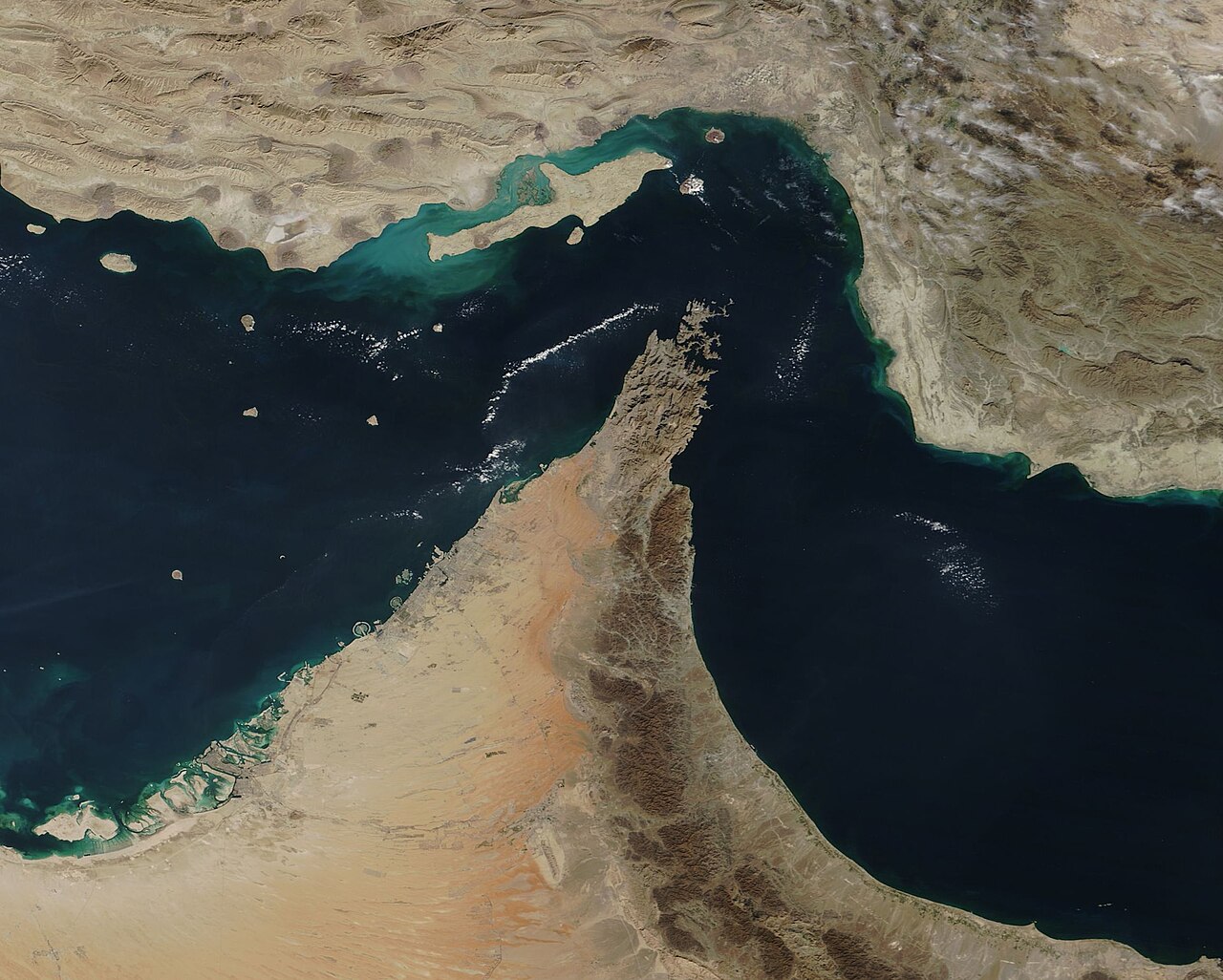
According to www.chosun.com, the ongoing blockade of the Strait of Hormuz—beginning in early March 2026—is triggering severe supply chain disruptions across Asia, with acute effects on Japan and South Korea’s semiconductor and automotive sectors.

Immediate Operational Impacts

The blockade has severely curtailed oil and gas shipments from the Middle East, directly constraining energy availability for energy-intensive manufacturing. Semiconductor fabrication facilities in Japan and South Korea face raw material shortages due to both energy instability and delayed chemical precursors typically shipped via Gulf routes. Automotive manufacturers—including Toyota, Honda, and Hyundai—are reporting critical component shortages, particularly for electronics, wiring harnesses, and specialty metals dependent on just-in-time delivery.

Economic and Logistical Strain

  • Shipping costs have surged by 300–500% as vessels reroute around the Cape of Good Hope instead of transiting the Strait.
  • Marine insurance premiums for vessels operating in or near the region have skyrocketed—though exact percentage increases are not specified in the source.
  • The crisis is projected to persist through Q2 2026, with potential economic damage reaching billions of dollars.

Vulnerability and Response Measures

Japan and South Korea’s exposure stems from structural dependencies: over 80% of Japan’s crude oil imports and nearly 70% of South Korea’s come from the Middle East (per 2025 IEA data), and both nations rely on uninterrupted power for 24/7 semiconductor fabs. While companies are increasing safety stock and evaluating alternative logistics corridors—including expanded use of the Trans-Siberian Railway and enhanced air freight for high-value components—these measures remain costly and capacity-constrained. No official government contingency plans are cited in the source, but industry analysts warn that prolonged disruption could accelerate long-standing efforts toward supply chain diversification and regional energy storage investment.

Source: www.chosun.com

Compiled from international media by the SCI.AI editorial team.

More on This Topic

  • Nearshoring Infrastructure Gap: LATAM Needs 3–5% GDP Annually (Mar 29, 2026)
  • Qatar LNG Crisis Threatens Semiconductor & Steel Supply Chains (Mar 29, 2026)
  • China Launches Trade Probes Against US Ahead of Xi-Trump Summit (Mar 29, 2026)
  • Qatar LNG Crisis Disrupts Helium Supply: 65% Korea Dependence (Mar 29, 2026)
  • Japan’s Semiconductor Resurgence: 3 Strategic Shifts (Mar 28, 2026)

Related Posts

Nearshoring Infrastructure Gap: LATAM Needs 3–5% GDP Annually
Geopolitics

Nearshoring Infrastructure Gap: LATAM Needs 3–5% GDP Annually

March 29, 2026
0
Qatar LNG Crisis Threatens Semiconductor & Steel Supply Chains
Geopolitics

Qatar LNG Crisis Threatens Semiconductor & Steel Supply Chains

March 29, 2026
0
China Launches Trade Probes Against US Ahead of Xi-Trump Summit
Geopolitics

China Launches Trade Probes Against US Ahead of Xi-Trump Summit

March 29, 2026
1
Qatar LNG Crisis Disrupts Helium Supply: 65% Korea Dependence
Geopolitics

Qatar LNG Crisis Disrupts Helium Supply: 65% Korea Dependence

March 29, 2026
1
Japan’s Semiconductor Resurgence: 3 Strategic Shifts
Geopolitics

Japan’s Semiconductor Resurgence: 3 Strategic Shifts

March 28, 2026
9
Asia-Pacific Supply Chain Shock: 5 Critical Disruption Impacts
Geopolitics

Asia-Pacific Supply Chain Shock: 5 Critical Disruption Impacts

March 28, 2026
4

Leave a Reply Cancel reply

Your email address will not be published. Required fields are marked *

Recommended

Singapore’s Unloq Completes First Smart Contract Trade Finance Deal: A New Paradigm in Stablecoin-Powered Supply Chain Finance

10 Views
February 18, 2026
Zacks分析师博客:联邦快递、联合包裹服务和航空运输

Zacks Analyst Blog: FedEx, UPS, and Air Freight

2 Views
February 16, 2026
Georgia Tech × Grubhub’s Landmark 70-Page Paper: Defining the Meal Delivery Routing Problem (MDRP)

Georgia Tech × Grubhub’s Landmark 70-Page Paper: Defining the Meal Delivery Routing Problem (MDRP)

7 Views
February 19, 2026
Beyond the Last Mile: How Nimble Carriers Are Rewriting U.S. Parcel Economics in 2026

Beyond the Last Mile: How Nimble Carriers Are Rewriting U.S. Parcel Economics in 2026

2 Views
March 2, 2026
Show More

SCI.AI

Global Supply Chain Intelligence. Delivering real-time news, analysis, and insights for supply chain professionals worldwide.

Categories

  • Supply Chain Management
  • Procurement
  • Technology


  • Risk & Resilience
  • Sustainability
  • Research

© 2026 SCI.AI. All rights reserved.

Powered by SCI.AI Intelligence Platform

Welcome Back!

Sign In with Facebook
Sign In with Google
Sign In with Linked In
OR

Login to your account below

Forgotten Password? Sign Up

Create New Account!

Sign Up with Facebook
Sign Up with Google
Sign Up with Linked In
OR

Fill the forms below to register

All fields are required. Log In

Retrieve your password

Please enter your username or email address to reset your password.

Log In

Add New Playlist

No Result
View All Result
  • Supply Chain
    • Strategy & Planning
    • Logistics & Transport
    • Manufacturing
    • Inventory & Fulfillment
  • Procurement
    • Strategic Sourcing
    • Supplier Management
    • Supply Chain Finance
  • Technology
    • AI & Automation
    • Robotics
    • Digital Platforms
  • Risk & Resilience
  • Sustainability
  • Research
  • English
    • Chinese
    • English
  • Login
  • Sign Up

© 2026 SCI.AI