Skip to content

Coverage desk

Robotics

149 published stories

Walmart, Zipline to scale drone delivery to 300 stores
Robotics

Walmart, Zipline to scale drone delivery to 300 stores

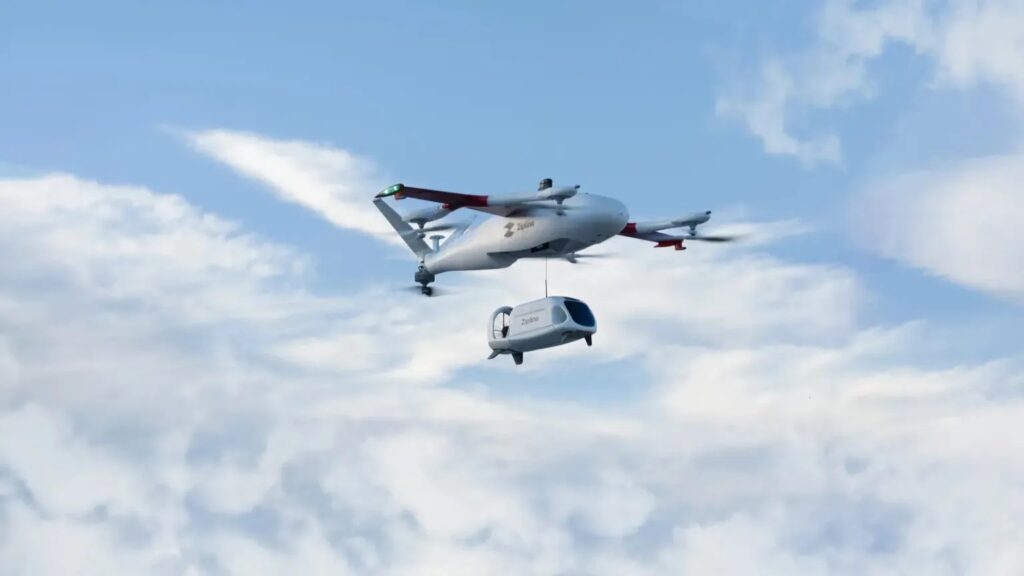
Walmart is scaling its drone delivery network with Zipline, which will fly from 300 new store locations and has raised $1.5 billion in fresh capital at a $21.5 billion valuation. Walmart, which already runs 21 Zipline sites and has completed more than 2 million drone deliveries since 2021, says 90% of the U.S. population lives within 10 miles of a store. A parallel Wing partnership targets more than 270 locations across nearly 20 metro areas, including Seattle and Denver in 2027. Zipline says its share of delivery revenue at long-tenured restaurant users tripled to 35% in six months, and Uber aims for one million daily Zipline deliveries by 2029.

Tutor Intelligence raises $75M Series B to scale robot fleet
Robotics

Tutor Intelligence raises $75M Series B to scale robot fleet

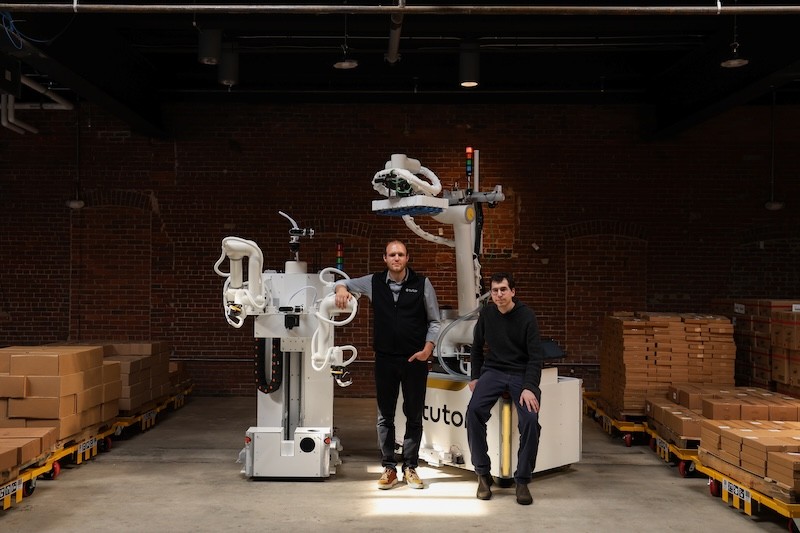
Tutor Intelligence has raised a $75 million Series B led by Andreessen Horowitz, taking total capital raised to $117 million. The round will fund frontier robot foundation model training and the manufacturing and deployment of its Sonny and Cassie robot workers across the United States. Union Square Ventures and Neo, which led the Series A and seed rounds respectively, also participated. Tutor sells robot work by the hour or by the pick with no upfront purchase, and its robots now operate in almost four times as many facilities as a year ago, with more than 1,000 robots targeted under contract by the end of 2027.

Agility Robotics eyes 30+ buyers as GXO adds two Digit sites
Robotics

Agility Robotics eyes 30+ buyers as GXO adds two Digit sites

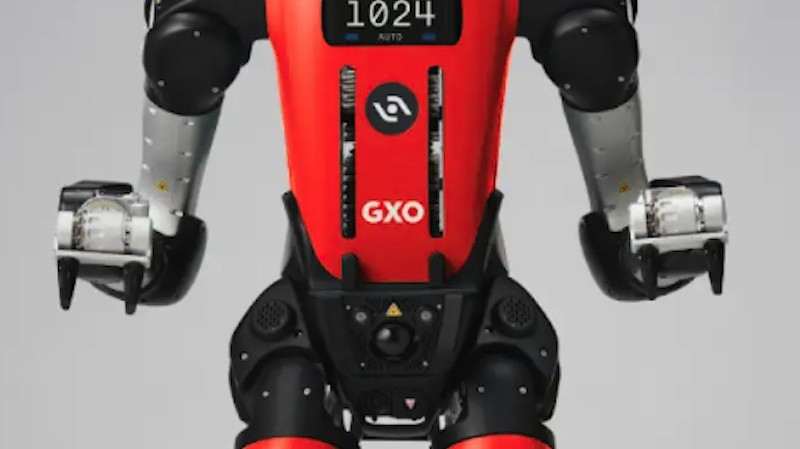
Agility Robotics is expanding its Digit humanoid robot program with GXO, adding deployments at facilities in Statesville, North Carolina, and Lebanon, Tennessee, after more than 100,000 totes were moved at a Georgia site since June 2024. The company reports a pipeline of more than 30 prospective customers and three paid manufacturing programs, including a global automaker selling over 3 million vehicles a year. Agility has disclosed more than $300 million in committed multi-year orders for Digit 5, with early customer access in the first half of 2027 and general availability at year-end.

Faraday Future plans US robot factory by end of 2026
Robotics

Faraday Future plans US robot factory by end of 2026

Faraday Future plans to bring a US robot factory online by the end of 2026 and assemble its first US-built robot in February 2027, according to an interview with global executive chairman Jerry Wang published by roboticsandautomationnews.com. The California EV maker, which now calls itself a physical AI ecosystem company, aims to introduce three to five new or next-generation robotics products in the US each year and to shift from "Assembled in USA" to "Made in USA" by 2028. Wang said new FCC rules reinforce the localization strategy, that no US-content percentage has been disclosed, and that higher US manufacturing costs are offset by supply-chain security, quality control and faster customer response.

Neura, TUM open €17M RoboGym, unveil 4NE1 Gen 4
Robotics

Neura, TUM open €17M RoboGym, unveil 4NE1 Gen 4

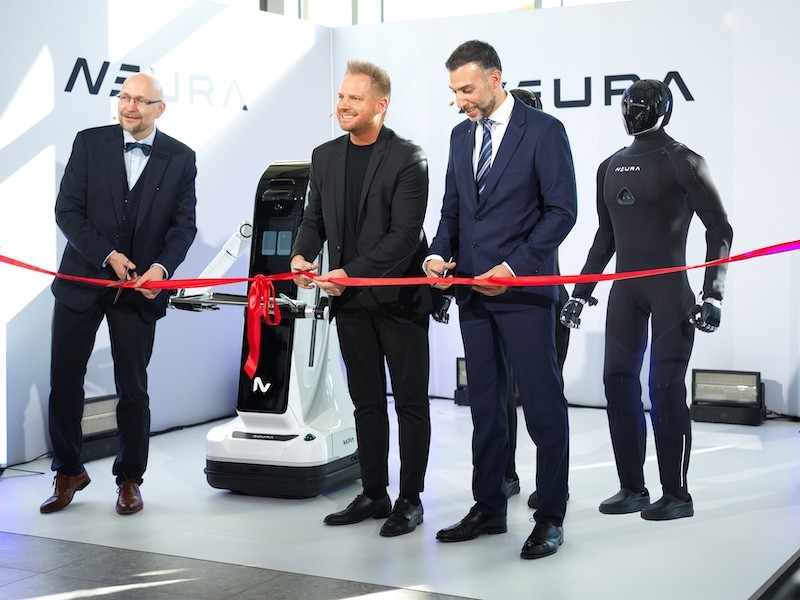
Neura Robotics and the Technical University of Munich have opened a €17 million robotics research and training center near Munich Airport, covering more than 2,300 square meters at LabCampus. Built with TUM's Munich Institute of Robotics and Machine Intelligence, the TUM RoboGym lets companies from more than ten industries train robots on real industrial tasks such as handling cardboard boxes and filling bottles. Neura is contributing roughly €11 million to the three-year initiative and used the opening to unveil its 4NE1 Gen 4 humanoid, which is 20 percent lighter than its predecessor and runs the Neuron AI foundation model.

120ft raises €576,000 to build humanoid microfactories
Robotics

120ft raises €576,000 to build humanoid microfactories

Swedish startup 120ft has exited stealth with €576,000 in angel funding to build autonomous microfactories staffed by humanoid robots. Founded in 2025 by Martin Willers, the Stockholm company plans to operate the factories itself and charge customers per finished product. Its design uses three 40-foot containers for component preparation, assembly, inspection and packing, combining humanoid robots, AI and simulation software. 120ft says it has cut robot skill training from seven weeks in 2025 to seven hours in 2026, targeting seven minutes in 2027. The round drew 22 angel investors, including Ted Persson, Sophia Bendz, Matthias Dantone and Sam Baker.

Google DeepMind’s Argon teaches Apollo robot to sink 7 straight shots
Robotics

Google DeepMind’s Argon teaches Apollo robot to sink 7 straight shots

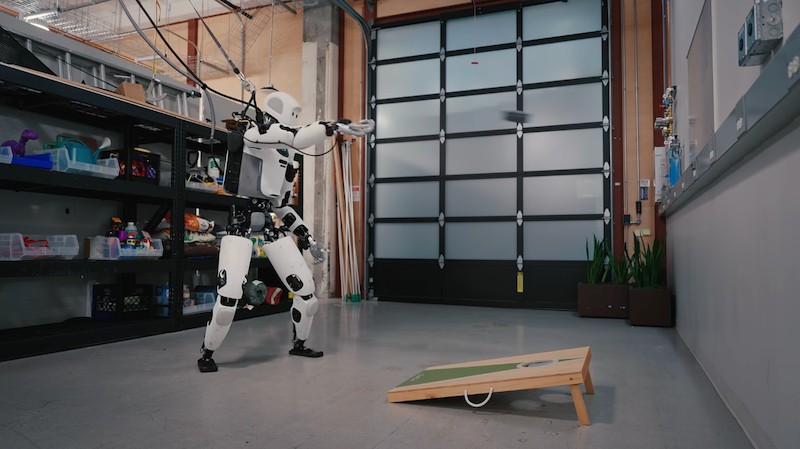
Google DeepMind has shown that its Gemini 4 Argon model can learn a physical task from raw video and transfer it to Apptronik's Apollo humanoid, which then landed seven consecutive cornhole shots in a real-world trial. The company calls the method a Video-to-Sim-to-Real pipeline and says it compresses weeks of manual simulation modeling into a few hours. Argon also scored 87 percent on Google's ERQA embodied reasoning benchmark, and the model is now available through Google's AI products and the Gemini API.

Yorkshire Robotics Hub Launches with £3.67M to Boost SME Automation
Robotics

Yorkshire Robotics Hub Launches with £3.67M to Boost SME Automation

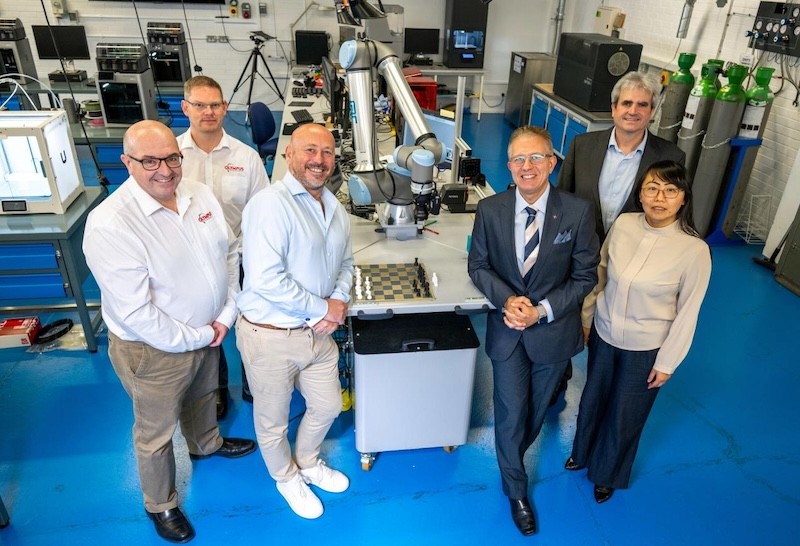
The University of Bradford is leading a £3.67 million Yorkshire Robotics Adoption Hub, backed by £2.75 million from Innovate UK. The 42-month initiative targets over 300 manufacturers, delivers 80 feasibility studies, and supports at least 30 robotics deployments. With the UK operating just 104 robots per 10,000 manufacturing employees — far below the global average of 177 — the Hub bridges the gap between intent and implementation. Key partners include West Yorkshire Manufacturing Services, the University of Huddersfield, Olympus Technologies, Myton Food Group, and Groupe Atlantic.

Intralogistics Market Hits $96B, to Reach $133B by 2030
Robotics

Intralogistics Market Hits $96B, to Reach $133B by 2030

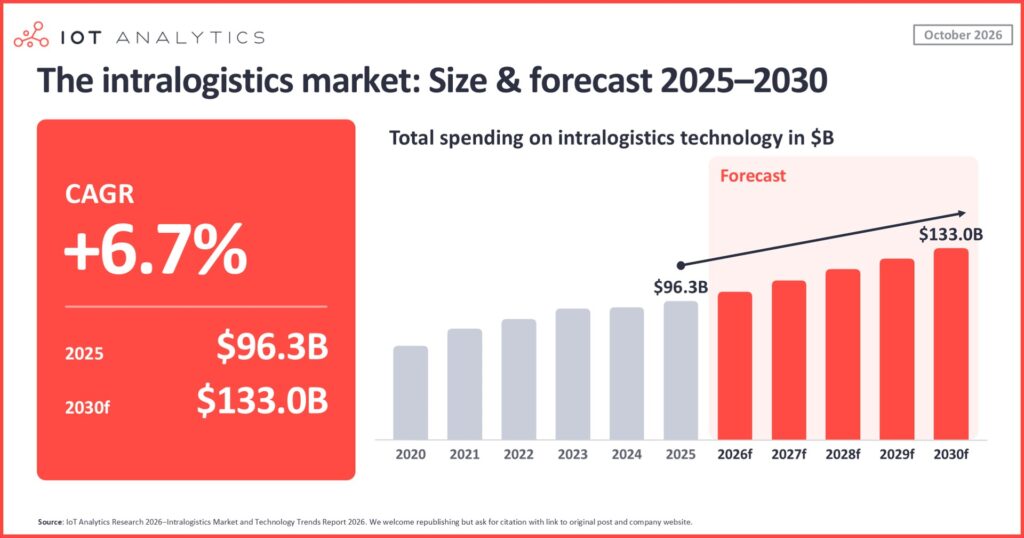
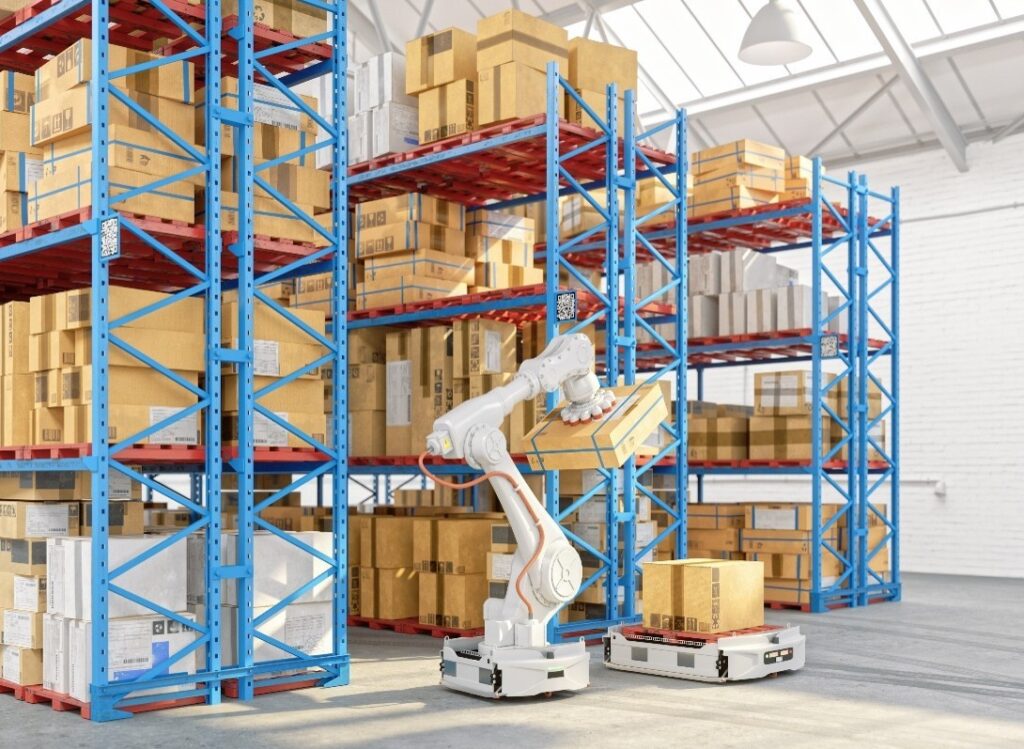
The intralogistics market hit $96 billion in 2025 and is forecast to reach $133 billion by 2030, growing at a 6.7% CAGR, according to IoT Analytics’ 2026 report. Software will surge to $10.8 billion by 2030 (11.4% CAGR), while mobile robot spending doubles to $8.4 billion. Labor shortages—driving 200–300% annual turnover—and safety concerns, including workers walking over 10 km daily, are key automation catalysts. Three trends include AI agents for control tasks, vendor-agnostic orchestration layers, and integrated AMMRs.

LX Pantos opens TDL Lab with 7 tech partners in Incheon
Robotics

LX Pantos opens TDL Lab with 7 tech partners in Incheon

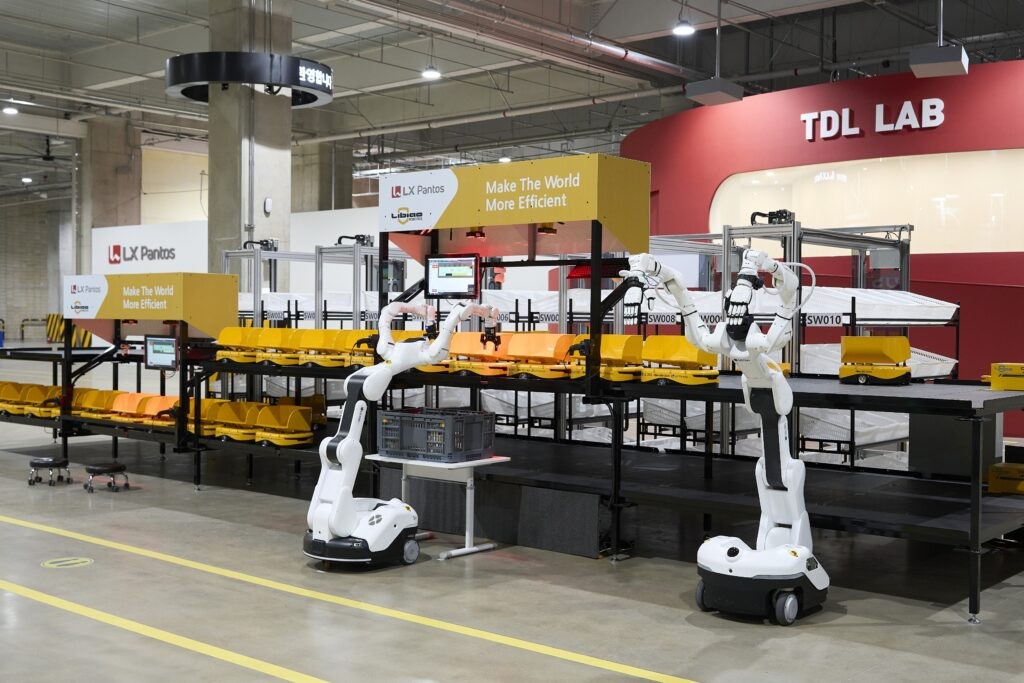
LX Pantos has launched the Technology-Driven Logistics (TDL) Lab at its MegaWise Cheongna Logistics Center in Incheon, South Korea, beginning in April 2026. The lab partners with seven technology firms — including Hai Robotics, Libiao Robotics, and XYZ Robotics — to test automation for storage, picking, sorting, container handling, and vision-based inspection. A three-stage rollout targets human-robot collaboration first, then fully unmanned operations, and finally intelligent logistics centers. Executives including Auh Jae-hyuck, EVP and Head of CL Business Unit, affirmed the initiative’s strategic scope beyond equipment installation. No investment figure or completion date has been disclosed.

PlusAI files for Nasdaq listing, targets 2027 autonomous truck launch
Robotics

PlusAI files for Nasdaq listing, targets 2027 autonomous truck launch

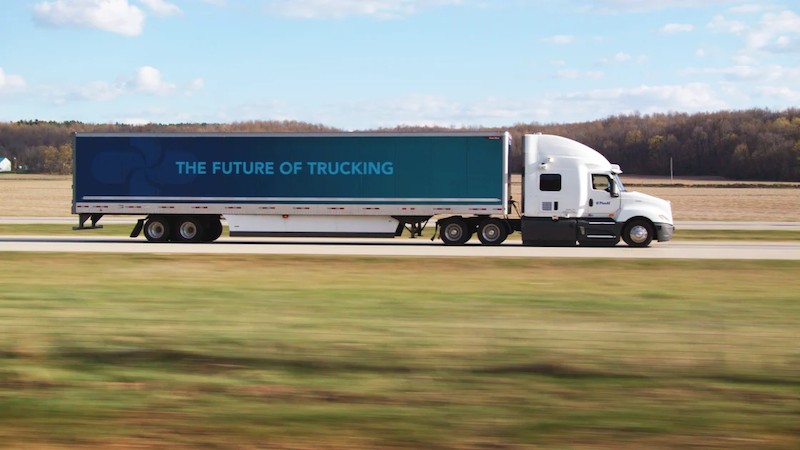
PlusAI has filed an S-4 registration with the US Securities and Exchange Commission for its merger with Texas Ventures Acquisition III Corp., valuing the company at $800 million and targeting up to $300 million in capital. The deal supports PlusAI’s plan to commercially launch factory-built autonomous trucks powered by its SuperDrive software in 2027. The company operates freight routes in Texas with Ryder and International and collaborates with Traton Group, Hyundai, and Iveco. Its HyperFoundry platform has generated $25 million in year-to-date revenue.

Symbotic acquires cellumation to expand warehouse automation
Robotics

Symbotic acquires cellumation to expand warehouse automation

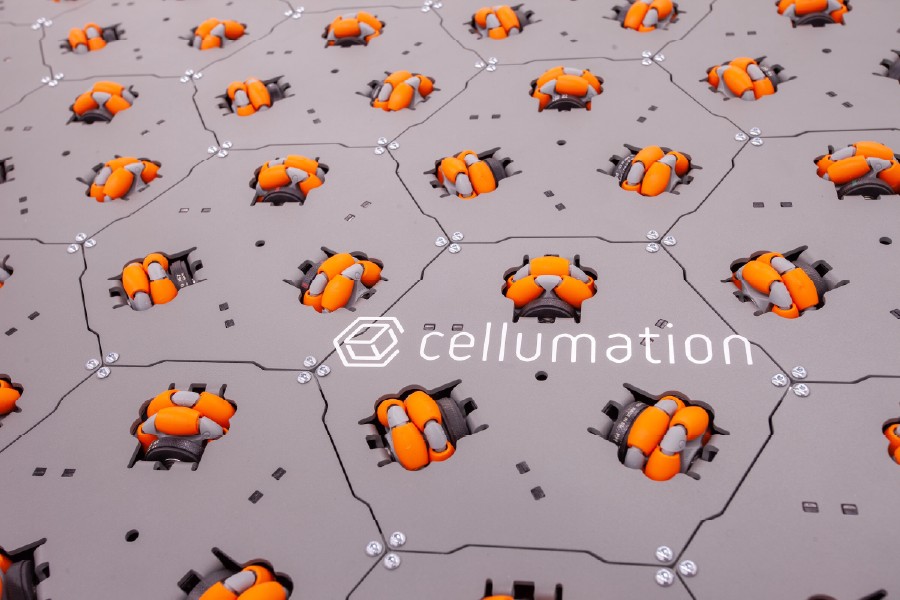
Symbotic has acquired cellumation to enhance its warehouse automation offerings, integrating cellumation’s shuttle-based storage systems with Symbotic’s AI orchestration software by Q3 2026. Combined deployments begin in October 2026 in Chattanooga, TN and Düsseldorf, Germany. Over 120 engineers are engaged in the integration. cellumation co-founders Dr. Lena Müller and Marko Varga will lead the new Symbotic Automation Division, with no planned job cuts. The deal strengthens Symbotic’s position in high-density e-commerce fulfillment automation across North America and Europe.

Welcome Back!

Login to your account below

Create New Account!

Fill the forms below to register

Retrieve your password

Please enter your username or email address to reset your password.

Add New Playlist