In the 2026 logistics technology investment landscape, a clear trend is emerging: venture capital is shifting from pure software AI to intelligent systems that can interact with the physical world. A recent FreightWaves interview with Mike Plasencia, Group Director of RyderVentures, reveals that the warehouse automation sector is undergoing a profound transformation driven by “Physical AI” (Physical Artificial Intelligence). As the corporate venture arm of Ryder System, RyderVentures has been investing in disruptive technologies across advanced vehicle technology, e-commerce, digitization, and warehouse automation for the past five years, and is now focusing on Physical AI solutions that address core industry pain points.
Physical AI: Defining the Core Paradigm of Next-Generation Warehouse Automation
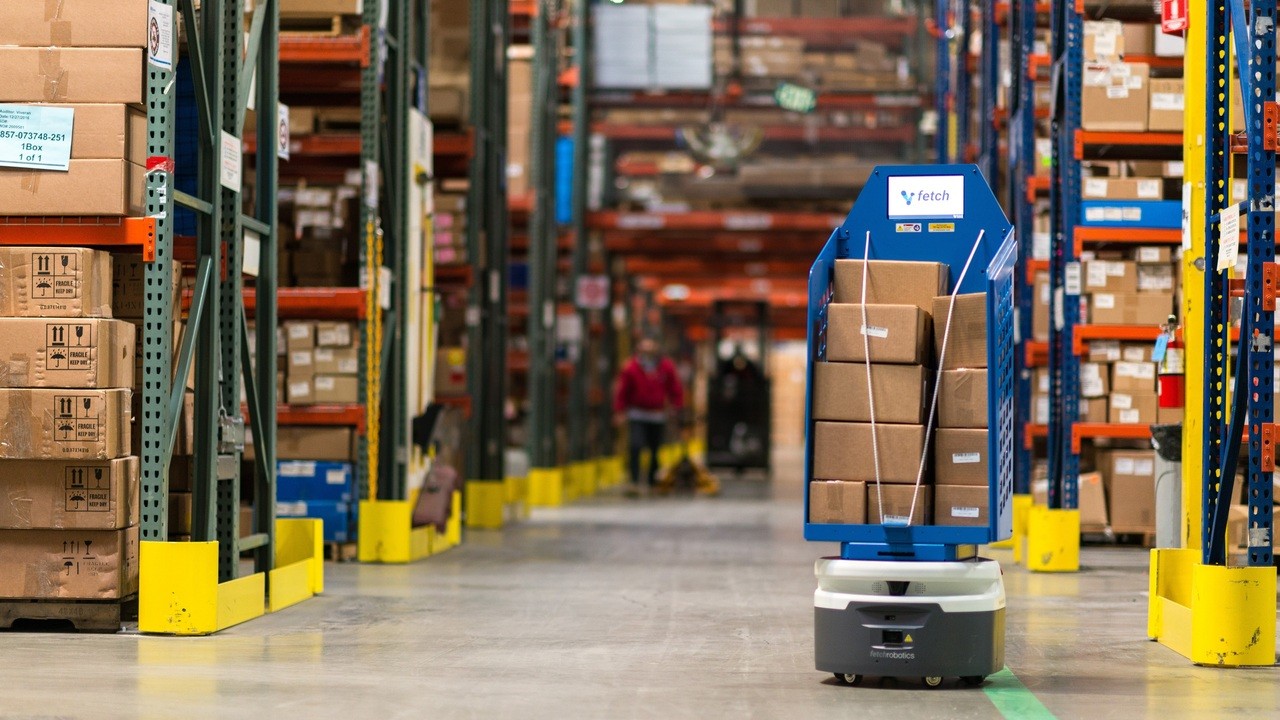
Physical AI is not simply an upgrade of hardware automation, but a deep integration of artificial intelligence models with warehouse hardware. Traditional warehouse automation equipment is often designed for specific purposes, and once business needs change, these expensive devices may face obsolescence risks. Physical AI embeds intelligent algorithms into hardware systems, enabling the same set of equipment to adapt to multiple application scenarios, fundamentally solving the industry’s “single-use” pain point.
“In the past, you had some really good warehouse automation that handled specific use cases. But I think now we’re seeing a lot of companies come to market where you can sort of bring these physical AI models to hardware that can now allow this hardware to handle multiple use cases and get up to speed a lot quicker.” — Mike Plasencia, Group Director of RyderVentures
The value of this flexibility directly targets the biggest barrier to warehouse automation adoption. Traditional automation requires significant capital investment, and equipment may become obsolete as business changes. Physical AI not only increases the likelihood that automation equipment will fit specific use cases but, more importantly, provides the flexibility to redeploy when use cases change. This paradigm shift is redefining the return on investment model for warehouse automation, transforming fixed costs into variable costs and providing greater operational flexibility for businesses.
The Capital Commitment Challenge: High Upfront Costs Remain the Primary Barrier
Although warehouse automation technology has proven to have clear utility, its penetration rate remains low. Plasencia believes that high upfront costs are the main obstacle preventing widespread adoption. Unlike software-as-a-service (SaaS) solutions, warehouse hardware requires major capital commitments.
“You’re not buying one autonomous forklift. You might be buying dozens for a warehouse. And now, what if you’re wrong? It’s a pretty big mistake.” — Mike Plasencia
This risk calculus explains why adoption rates remain low despite proven technology utility. In 2026, two areas are accelerating: trailer unloading automation and new form factors that fundamentally reimagine warehouse design. RyderVentures recently invested in Mytra, a company building what Plasencia describes as “almost like a big ASRS for pallets” where each pallet position operates as its own autonomous device within a matrix.
“Each shelf is its own autonomous device that can move along the racking to where it needs to be. It’s constantly optimizing where it needs to be. It’s almost like slotting in real time.” — Mike Plasencia
This software-defined automation model eliminates traditional warehouse constraints, with goods moving within a self-optimizing system rather than autonomous forklifts and mobile robots navigating aisles.
Reimagining Warehouse Design: From Fixed Infrastructure to Dynamic Systems
Physical AI is driving a fundamental rethinking of warehouse design. Plasencia raises a thought-provoking question: “If you really had a pure-play autonomous vehicle, does it look like a truck anymore? Well, it’s no different in the warehouse. In a future world, does racking look different?” This mindset shift reflects the profound transformation the warehouse industry is undergoing, similar to challenges faced by early adopters of electricity. Some factories only used electricity to replace a single pump, others used bulbs for illumination, while the most enterprising and successful users redesigned the factory itself to accommodate the new technology.
Consumer packaged goods companies are emerging as logical early adopters, though Plasencia declined to name specific customers. For founders looking to attract investment in 2026, Plasencia offers direct advice: Table stakes AI isn’t enough.
“You’ve gotta really be able to show why the dataset or user base you’re serving or specialized knowledge is gonna make this a differentiated solution that gives you the time to build that beachhead to expand off of.” — Mike Plasencia
Declining Technology Costs and Building Execution Advantages
As technology costs rapidly decrease, the moat in Physical AI comes down to execution and expansion. Once inside an organization—navigating cybersecurity, IT compliance, and trust-building—the winner keeps winning. For warehouses and customers who don’t have the ability to go it alone, partnerships are proving a valuable substitute.
“If you’ve got a trusted partner that is delivering and continues to expand, you’re gonna stay with the horse you’ve got.” — Mike Plasencia
This partnership model is particularly suited to the current market environment. Many warehouse operators lack internal technical expertise to implement complex Physical AI solutions, but establishing strategic partnerships with technology providers can lower adoption barriers and accelerate value realization. RyderVentures’ investment strategy reflects this trend, providing not only funding but also support through Ryder’s industry network and operational expertise for portfolio companies.
Industry Impact and Future Outlook
The rise of Physical AI will have profound implications for the warehouse industry. First, it will change labor requirements, freeing human workers from repetitive tasks to focus on higher-value activities. Second, it will improve supply chain efficiency by reducing waste and delays through real-time optimization. Third, it will make warehouse operations more sustainable by optimizing energy use and reducing waste.
In the long term, Physical AI may redefine the competitive landscape of the warehouse industry. Early adopters will gain significant efficiency advantages, while laggards may face declining competitiveness. For Chinese logistics companies, this presents both challenges and opportunities. By investing in Physical AI technology, Chinese companies can establish competitive advantages in global supply chains while addressing domestic challenges of rising labor costs and efficiency requirements.
As 2026 approaches, Physical AI is expected to become a major focus of warehouse automation investment. Venture capital will continue shifting from pure software AI to solutions that generate tangible physical impact. For warehouse operators, now is the time to prepare for this transformation—whether through internal development, strategic investment, or partnerships, Physical AI will become an indispensable part of future warehouse operations.
Source: FreightWaves
This article was AI-assisted and reviewed by our editorial team.