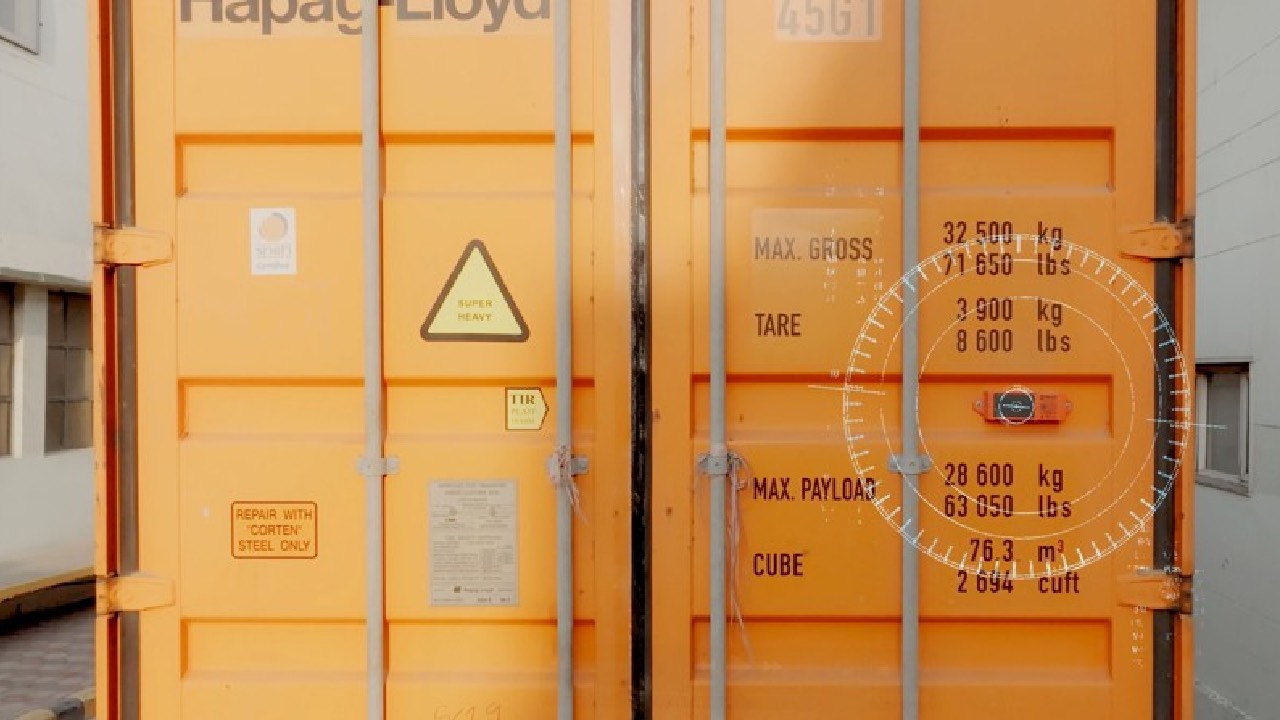
WiseTech Global and Hapag-Lloyd are pioneering next-generation supply chain visibility through an IoT container tracking pilot program. This collaboration equips Hapag-Lloyd's fleet with smart devices for real-time global container tracking, enhancing logistics efficiency and decision-making.
Introduction to Next-Generation Supply Chain Visibility
In an era where digital transformation is reshaping industries, supply chains are no exception. The latest development comes from a partnership between WiseTech Global, a leading logistics execution software provider, and Hapag-Lloyd, one of the world’s largest container shipping lines. Together, they have launched an IoT (Internet of Things) pilot program aimed at enhancing real-time tracking and data collection for containers.
This collaboration is designed to bring unprecedented transparency and accuracy to supply chain management by leveraging smart devices embedded in Hapag-Lloyd’s vast fleet of 2 million containers. The integration of IoT technology into these containers will enable frequent location updates, providing a more accurate picture of global logistics operations than ever before.
Technology at the Core: Real-Time Data Collection and Analysis
The core of this initiative is the deployment of IoT devices on Hapag-Lloyd’s container fleet. These devices are designed to transmit location data in real-time, which is then processed by WiseTech’s logistics execution platforms. This system ingests millions of data points daily, applying advanced algorithms to transform raw data into actionable insights.
- Real-Time Tracking: Containers equipped with IoT sensors provide continuous updates on their locations and conditions.
- Data Processing: Sophisticated algorithms analyze the collected data to identify trends and patterns that can inform decision-making processes.
Innovative Solutions for Enhanced Customer Experience
The pilot program extends beyond basic tracking by providing predictive insights into container movements. Customers will be able to access this information through various channels, including CargoWise’s Cargo Tracker and Container Automation solutions. Additional distribution methods such as GLO, INTTRA, and Neo are also planned.
- Dynamic ETA (Estimated Time of Arrival): The Live ETA feature dynamically adjusts based on real-time data from GPS tracking devices, offering 75% improved delivery accuracy compared to traditional static predictions.
- Anomaly Detection: Early detection of deviations or delays enables proactive measures to mitigate potential disruptions in the supply chain.
Impact Analysis and Industry Trends
The implementation of IoT-driven container tracking promises significant benefits for the shipping industry. By reducing uncertainty through real-time visibility, logistics operations can become more efficient and reliable. This shift aligns with broader trends towards digitalization and automation in supply chain management.
- Supply Chain Resilience: Enhanced visibility allows companies to quickly adapt to disruptions and optimize their logistics processes.
- Data-Driven Decision-Making: The ability to act on real-time data empowers businesses to make informed decisions, improving overall operational efficiency.
The Future of Supply Chain Management
As the trial progresses, WiseTech Global and Hapag-Lloyd will continue to refine their IoT integration system. They aim to enhance data quality, accuracy, and usability while gathering feedback from end-users. This collaboration represents a significant step towards a more transparent, resilient, and digitally enabled global supply chain.
The industry is poised for further advancements as more companies adopt IoT technologies and digital platforms to manage their logistics operations. The integration of smart devices into the core processes of shipping and logistics will undoubtedly lead to new innovations and efficiencies that could redefine how businesses operate in a globally connected world.