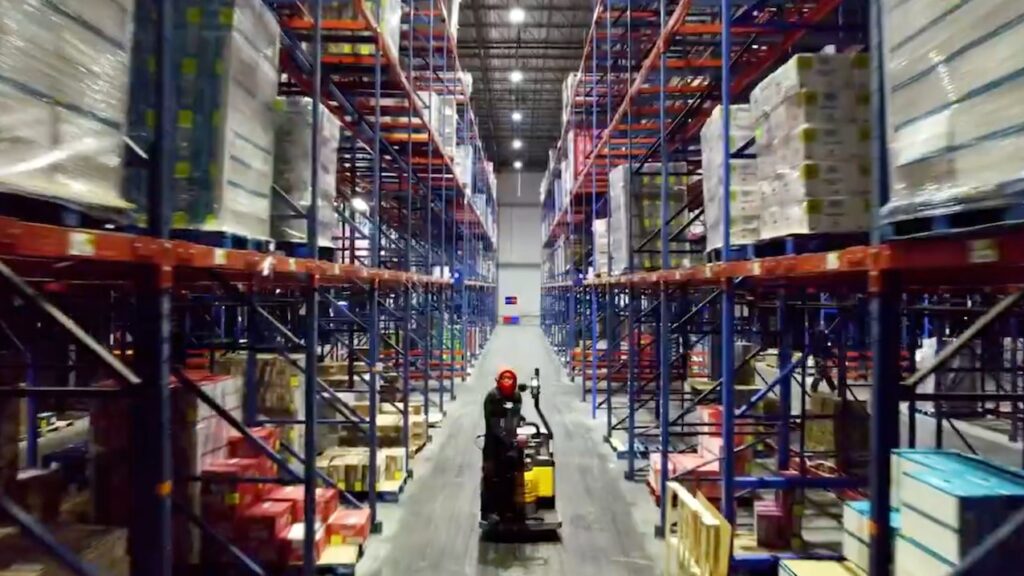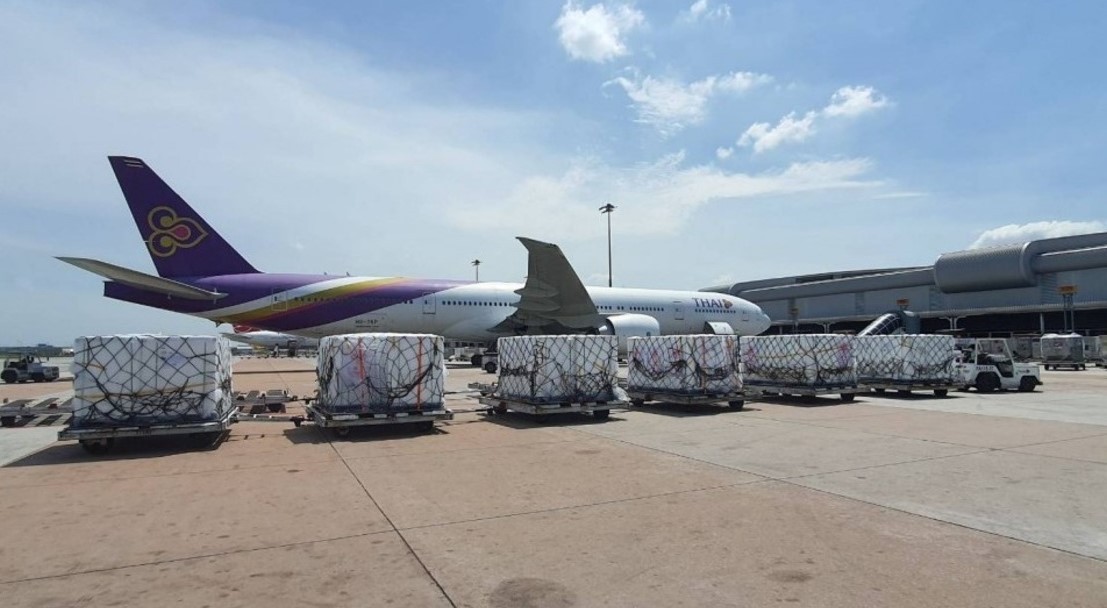
A system breakdown in the cargo terminals Thai Airways operates at Bangkok's Suvarnabhumi Airport has left hundreds of containers unattended and is delaying manufacturing supply chains during peak shipping season. The cargo clearance system run with Airports of Thailand is failing to record shipment storage locations and status, according to the Thai Airfreight Forwarders Association. Thai Cargo has suspended freighter service through the end of November and asked airlines to cut inbound cargo by 50% between Oct. 31 and Nov. 7. About 22% of Thailand's exports last year went to the United States, and the Thai Chamber of Commerce warns outbound shipments are now at risk.
A breakdown in the cargo clearance system at Bangkok’s Suvarnabhumi Airport has left hundreds of containers unattended and is delaying manufacturing supply chains during peak shipping season, according to FreightWaves. Airlines, freight forwarders, importers and exporters are pressing Thai Airways to fix the system, which it operates jointly with airport manager Airports of Thailand.
Warehouse visibility lost as cargo piles up
The cargo clearance system is failing to record the storage location and status of shipments, leaving warehouse workers unable to locate or process freight, according to the Thai Airfreight Forwarders Association (TAFA). Large volumes of cargo remain on pallets and in containers awaiting breakdown, and hundreds of containers are sitting unattended.
Without shipment visibility, freight forwarders and customs brokers cannot complete payment and release procedures, TAFA said. The disruption has been documented by The Nation and business publication Thansettakij.
Peak season collides with electronics exports
The delays are hitting during peak shipping season in a country central to the electronics and AI infrastructure supply chain. Thailand’s top export categories are electrical machinery and equipment, with local manufacturing driven by surging global demand for AI-related cloud storage. Key destinations include the United States, China and Japan, alongside large auto parts and rubber exports.
About 22% of Thailand’s exports last year went to the United States, according to the Observatory of Economic Complexity.
Thai Airways restricts capacity to clear backlog
Thai Cargo has suspended freighter aircraft service through the end of November, until further notice, and asked airlines to cut inbound cargo by 50% between Oct. 31 and Nov. 7, or consolidate shipments into containers to reduce warehouse storage needs, freight forwarder EFL Global said in a customer alert.
Airlines were also told to give advance notification of inbound container shipments. Dimerco Express said in a market update that some carriers have downgraded Asia routes to narrowbody aircraft and are restricting bookings while they clear cargo stacks, and that ground handler Bangkok Freight Services is also experiencing delays. Shippers are being urged to book flights several days ahead of need.
Outbound shipments now at risk
The Thai Chamber of Commerce warned that congestion at the Thai Airways warehouse now threatens outbound shipments as well, the Bangkok Post reported. Singapore Airlines Cargo temporarily restricted acceptance of certain cargo types at Suvarnabhumi last Wednesday because delayed inbound handling was affecting container flows for outbound freight, with equipment and operating space limited.
Airports of Thailand has stepped in to coordinate talks among stakeholders to minimize disruption, according to local news outlets. The chamber urged sorting cargo by airline, speeding up container breakdown, assigning clearly identified storage locations, adding manpower with support from private-sector freight agents under warehouse supervision, and updating the clearance system with accurate, current cargo-location data.
Apology and recovery measures
Thai Airways has apologized to customers and airlines and said it is adding staff and forklifts, prioritizing deliveries and seeking temporary warehouse space from Airports of Thailand, the Bangkok Post reported. The carrier also plans to introduce an internal warehouse management system to track cargo from the point of arrival.
Thai Airways is giving priority to finding and processing shipments that arrived before Oct. 23. The current disruption follows flooding caused by heavy rains in late September, which prevented many workers from reporting to Suvarnabhumi Airport and led to longer processing and transit times.
Source: FreightWaves
Compiled from international media by the SCI.AI editorial team.