Skip to content

Warehousing & Transport

Analysis

AF KLM Cargo Q3 revenue rises 25.2% on airfreight demand

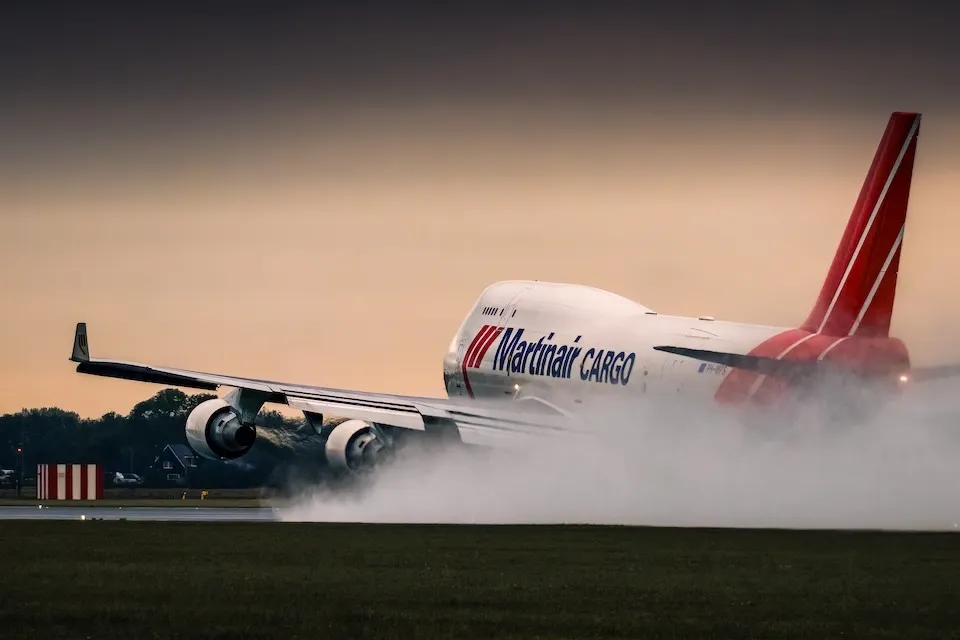
Air France KLM Martinair Cargo reported a 25.2% year-on-year rise in third-quarter revenues to €677m, with volumes up 5% to 236,000 tons as shippers shifted urgent freight to air amid Red Sea and Strait of Hormuz disruption. Traffic rose 8% to 1.8bn RTK and the load factor gained 2.4 points to 46%. The carrier said AI supply chain demand tightened the market, offsetting a post-July drop in Asia-Europe e-commerce volumes. Group revenue reached €9.9bn, up 7.6%, while KLM separately said it will bring Schiphol cargo handling in-house ahead of a new terminal due in 2035.

Original source: aircargonews.net

AF KLM Cargo Q3 revenue rises 25.2% on airfreight demand

Ask SCI.AI about this story

📋 本文要点

Air France KLM Martinair Cargo reported a 25.2% year-on-year rise in third-quarter revenues to €677m, with volumes up 5% to 236,000 tons as shippers shifted urgent freight to air amid Red Sea and Strait of Hormuz disruption. Traffic rose 8% to 1.8bn RTK and the load factor gained 2.4 points to 46%. The carrier said AI supply chain demand tightened the market, offsetting a post-July drop in Asia-Europe e-commerce volumes. Group revenue reached €9.9bn, up 7.6%, while KLM separately said it will bring Schiphol cargo handling in-house ahead of a new terminal due in 2035.

According to Air Cargo News, Air France KLM Martinair (AFKLMP) Cargo posted a 25.2% year-on-year increase in third-quarter revenues to €677m, as shippers continued to route urgent freight by air to sidestep disruption in ocean shipping.

Volumes and load factor climb

The cargo division moved 236,000 tons in the quarter, a 5% increase year on year, according to the report. Traffic measured in revenue tonne kilometres rose 8% to 1.8bn RTK, while capacity grew 2.3% to 3.9bn available RTK.

The cargo load factor improved by 2.4 percentage points to 46%, reflecting demand that ran ahead of capacity growth during the quarter. The carrier said freighter availability was constrained by both scheduled and unscheduled maintenance.

The airline attributed the performance to two forces that more than offset a drop in e-commerce volumes from Asia to Europe after an import charge took effect in July: rerouted ocean freight and demand tied to AI supply chains.

Red Sea disruption and AI demand tighten the market

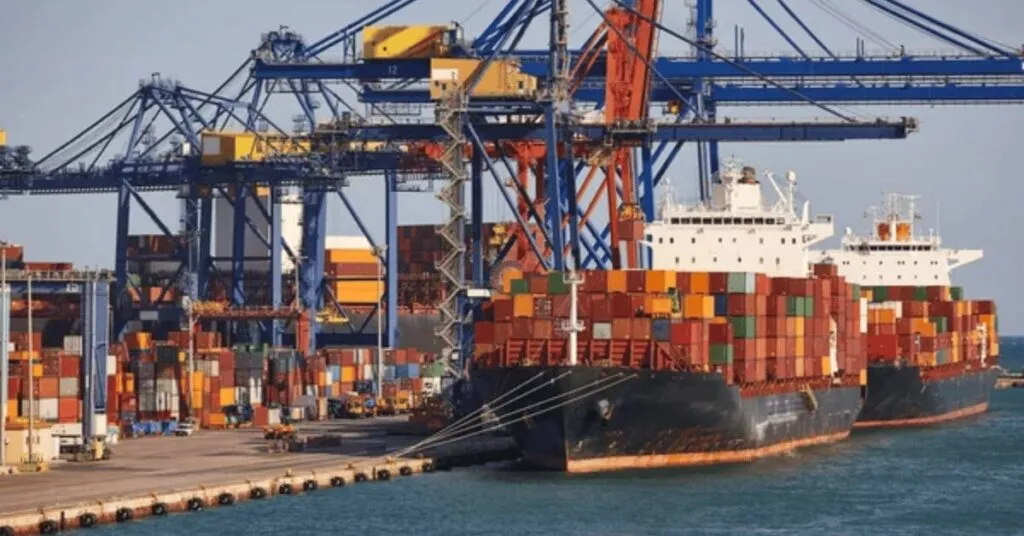
AFKLMP Cargo said disruption to maritime routes around the Suez Canal and the Strait of Hormuz pushed some shippers to move urgent, high-value goods by air, while AI-related supply chains added to the pull on capacity.

“Demand continued to outpace capacity growth, supported by disruption to maritime routes around the Suez Canal and Strait of Hormuz, which led some shippers to move urgent, high-value goods by air.” — AFKLMP Cargo

The company said the tighter market created openings to attract additional cargo volumes and to run full freighter charters, supporting yield performance across the Group’s network. It added that these factors cushioned the business against a sharp decline in e-commerce shipments from Asia following the taxation of small parcels.

Group results and Lufthansa comparison

At group level, Air France KLM Group reported third-quarter revenues of €9.9bn, up 7.6%, with net income rising 22.1% to €938m.

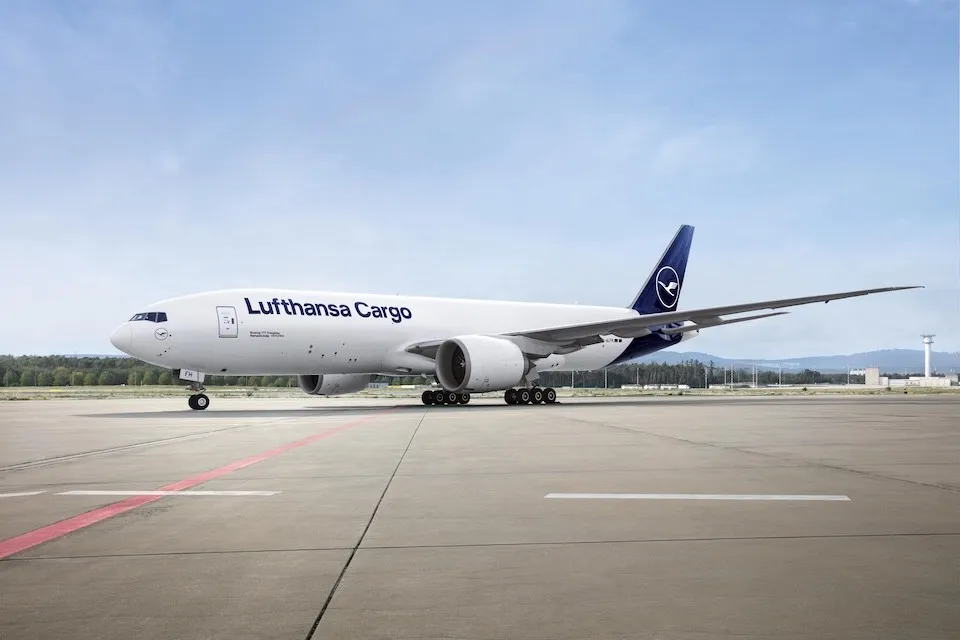
German rival Lufthansa Cargo recorded an 11% increase in cargo traffic for the same quarter and a 26% rise in revenues. The Frankfurt-based carrier said it benefited from broad-based regional growth, additional flights to India, and demand from the pharmaceutical and semiconductor sectors.

KLM consolidates Schiphol cargo handling

The results were published on the same day KLM announced it will consolidate its cargo handling activities at Schiphol into its own warehouse as part of measures to improve financial performance.

KLM said the move will help prepare KLM Cargo for a new cargo terminal scheduled for completion in 2035 and enable it to attract more transfer cargo passing through Schiphol.

The consolidation follows a 2024 agreement under which Menzies Aviation was to provide cargo warehouse and ramp handling services for all KLM/Martinair freighter operations at Schiphol for five years.

Source: Air Cargo News

Compiled from international media by the SCI.AI editorial team.

Ask SCI.AI Finished reading? Continue with SCI.AI. Explore the related policy, route, company and historical context. Continue asking
Stay ahead of supply chain shifts

One email a week: the stories that matter and new risk events — in English, free.

Prefer RSS? Articles Risk events

CSCMP EDGE 2026 unveils 2027 3PL study with Penske, NTT Data
Warehousing & Transport

CSCMP EDGE 2026 unveils 2027 3PL study with Penske, NTT Data

CSCMP presented the 2027 Third-Party Logistics Study at EDGE 2026, produced with Penske, NTT Data and the University of Tennessee-Knoxville Global Supply Chain Institute, per a Nov 04, 2026 posting by Supply Chain Xchange Staff. The same conference program featured a D-Wave quantum optimization masterclass with Murray Thom citing AT&T, BASF and Pfizer projects, and an InstaLILY session arguing agentic AI deployed on operations becomes an owned intelligence layer rather than a rented tool replaced within two years.

Lufthansa Cargo Q3 operating profit jumps 230% to €162m
Warehousing & Transport

Lufthansa Cargo Q3 operating profit jumps 230% to €162m

Lufthansa Cargo's logistics division lifted third-quarter earnings before interest and tax by 230% to €162m, with revenues up 26% to €1bn. Volumes rose 11% to 2,546m revenue cargo tonne kilometres and capacity grew 5% to 4,010m available RCTK, pushing the load factor to 63.5%. Temperature-controlled freight revenues climbed 33% on pharma and semiconductor demand, and added India flights supported volumes and yields. Costs rose 16% to €924m on higher fuel and charter expenses. The carrier also completed its acquisition of Germany-based handler LUG aircargo handling.

India port capacity rises 22% to 2.8B tonnes, gaps persist
Warehousing & Transport

India port capacity rises 22% to 2.8B tonnes, gaps persist

India's annual port cargo handling capacity has risen 22% since 2017-18, from 2.3 billion tonnes to 2.8 billion tonnes, according to a joint report by FICCI and Kearney released at the Maritime India Conference & Expo 2026 in Mumbai. Cargo handling at major and non-major ports grew 38% to 1,668 million tonnes, while capacity utilization edged up from 52% to 59%. Vessel turnaround time fell 18% to about 49 hours. Yet post-customs delays persist: the 2025 National Time Release Study found the gap between clearance and vessel departure reached 158 hours, or 84% of total time. International ports still handled roughly 75% of India's transshipment containers as of May 2025.

Welcome Back!

Login to your account below

Create New Account!

Fill the forms below to register

Retrieve your password

Please enter your username or email address to reset your password.

Scan to share via WeChat

Open WeChat and scan the QR code to share

QR Code

Add New Playlist