South Africa's fuel prices have climbed sharply, with Gauteng petrol rising from about R20.30 a litre in March 2026 to R30.25 by 7 October, while wholesale diesel hit a record R33.29 per litre. Writing in the Sunday Tribune, Mancosa academics Azam Khan and Muhammad Adam argue the increase is a supply chain problem, not just a motorists' one. The October 2026 MTBPS shows debt stabilised at 78.4% of GDP and the deficit narrowing to 3.9%, but growth was cut from 1.6% to 1.2%. A proposed R10 billion fuel levy reduction offers limited relief, while unemployment at 33.6% leaves households exposed.
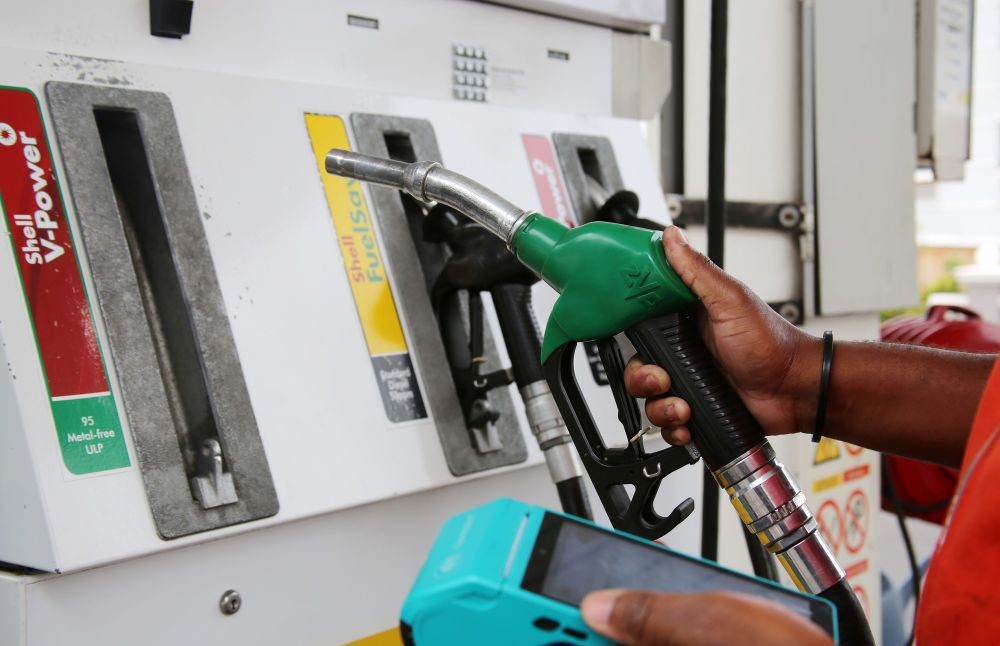
According to sundaytribune.co.za, South African fuel prices have climbed sharply, with a litre of petrol in Gauteng rising from approximately R20.30 in March 2026 to R30.25 by 7 October, while wholesale diesel reached a record R33.29 per litre that same month.
The surge is not confined to the petrol pump. Because oil is traded in US dollars, a weaker rand makes imports more expensive, and the resulting costs flow through transport, agriculture and food production before reaching consumers. Azam Khan and Muhammad Adam, Academic Programme Leaders at Mancosa, argue in the Sunday Tribune that South Africa cannot afford to treat this as a motorists’ problem alone.
Three forces largely determine what South Africans pay at the pump: international petroleum prices, the rand-dollar exchange rate and government levies. The authors note that government has limited influence over oil prices and exchange rates, though it can intervene through certain taxes and levies.
Fiscal pressure meets slower growth
The October 2026 Medium-Term Budget Policy Statement (MTBPS) illustrates the difficult balancing act, according to the report. Public debt has stabilised at approximately 78.4% of GDP, while the budget deficit is expected to narrow to 3.9%.
Economic growth for 2026, however, has been revised downwards from 1.6% to 1.2%. Against that backdrop, government’s proposed temporary reduction in fuel levies is expected to provide approximately R10 billion in relief — offering some breathing room, though at a fiscal cost.
The authors stress that diesel, not petrol, is the backbone of goods movement. Trucks, agricultural machinery and much of the country’s logistics infrastructure depend on it, meaning higher diesel costs can travel through several layers of the supply chain before appearing in the price consumers pay.
Supply chain shocks hit SMEs hardest
Geopolitical tensions add another layer of uncertainty. Disruptions around the Strait of Hormuz, one of the world’s most important energy and shipping routes, demonstrate how events thousands of kilometres away can influence the cost of doing business in South Africa.
The consequences are not distributed equally. Large corporations generally have greater purchasing power, access to finance and alternative suppliers, while small and medium-sized enterprises operate with narrow profit margins, limited cash reserves and dependence on a handful of suppliers.
When costs increase, smaller businesses face three unattractive choices: absorb the expense, pass it on to customers or redesign their operations. The authors suggest practical interventions — consolidating deliveries, optimising transport routes, improving vehicle load capacity, negotiating better supplier terms and investigating local sourcing alternatives.
Households squeezed as unemployment climbs
Households are equally exposed. With unemployment at 33.6% in the second quarter of 2026, many South Africans have little room to absorb rising transport and food costs, according to the report.
Small adjustments can still help, the authors argue: planning journeys, car-pooling, comparing grocery prices, reducing food waste and setting aside money for essential expenses. These measures will not solve the underlying economic challenges but can provide some control over what often feels uncontrollable.
“Resilience is not about predicting every disruption; it is about having the flexibility and resources to respond when one arrives.” — Azam Khan and Muhammad Adam, Academic Programme Leaders at Mancosa
The authors draw on historical parallels, from the Covid-19 pandemic to the seven years of scarcity faced by the ancient Egyptians and the ten-year siege of the Trojans, to show that supply chain shocks and mitigation strategies are nothing new. In each case, careful planning, preservation of resources and management helped societies navigate difficult periods.
Preparation over prediction
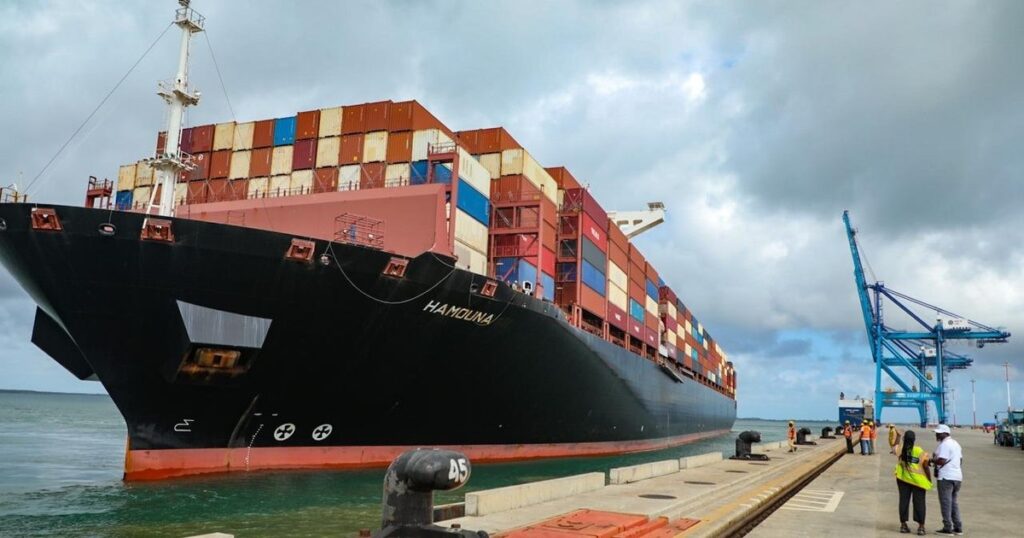
The report calls on government to invest in reliable electricity, functioning ports, efficient rail infrastructure and competitive logistics services, while urging businesses to become more adaptable and households to plan rather than simply react.
Ultimately, the authors conclude, budgeting at government, business or household level is not simply about allocating resources according to what is known — it is about preparing for what cannot be predicted. The next time South Africans say “eish” at the petrol station or in the grocery queue, the answer may lie less in what things cost today than in how well the country prepares for tomorrow.
Source: sundaytribune.co.za
Compiled from international media by the SCI.AI editorial team.