East Africa Foods raised USD 40 million — including USD 26 million in Series B equity — to scale physical and digital food supply chain infrastructure across East Africa. The agritech platform sources from 28,000+ smallholder farmers and supplies 10,000+ urban retailers, cutting post-harvest loss by one-third. With a fleet of 100+ trucks and operations spanning five branches in Tanzania and Kenya, EAF targets benefits for 100,000 farmers (45% women) and aims to build African-owned, climate-resilient food infrastructure.
According to thecitizen.co.tz, East Africa Foods (EAF) has raised USD 40 million to scale physical and digital infrastructure across Africa’s food supply chain — a financing round that includes USD 26 million in Series B equity led by the Private Infrastructure Development Group (PIDG) through InfraCo, alongside Oikocredit and FMO (Dutch Entrepreneurial Development Bank).
Infrastructure Gap Drives Investment Strategy
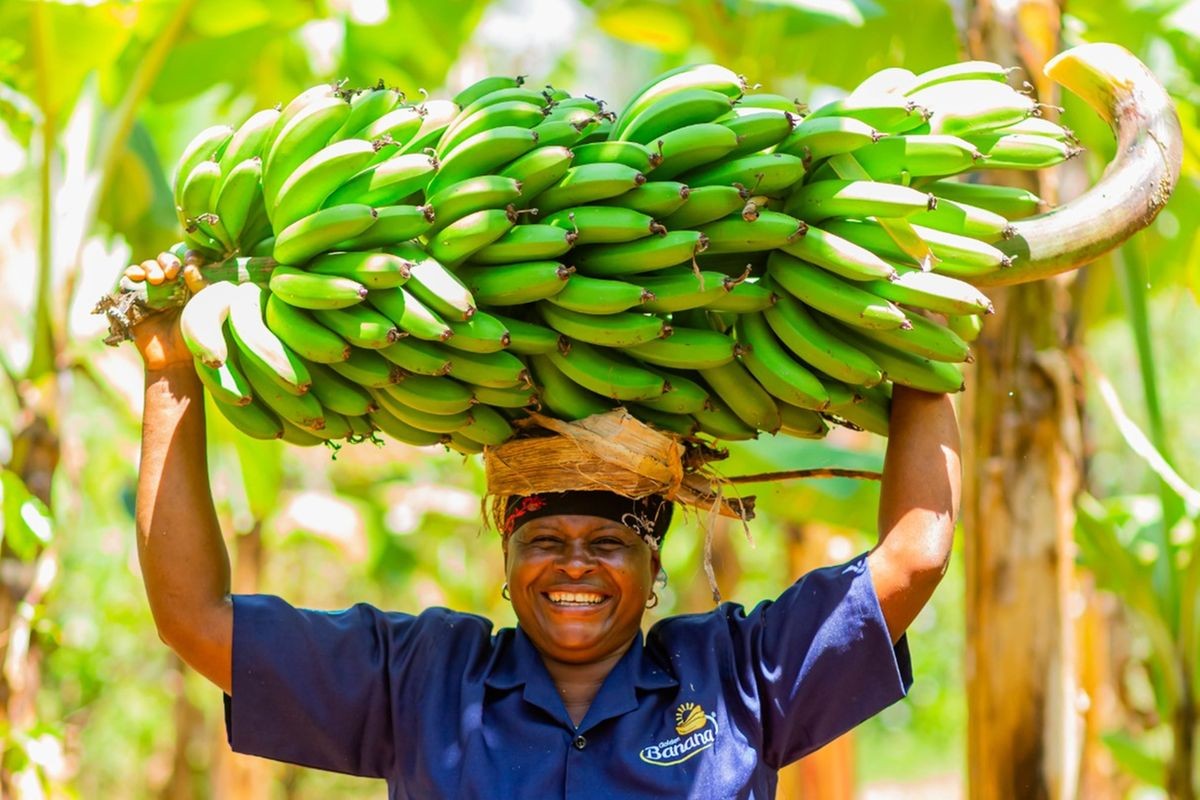
In Kenya and Tanzania, up to 40% of food produced is lost before reaching consumers — not in fields, but during post-harvest handling due to missing aggregation, grading, storage, and reliable transport. This gap exists widely across the continent and is central to EAF’s mission: building infrastructure between smallholder farms and urban shelves. The company currently cuts food loss by one-third across its own network, sourcing directly from more than 28,000 registered smallholder farmers and delivering to over 10,000 urban retailers.
Physical and Digital Expansion Underway
EAF operates its regional control centre in Dar es Salaam, Tanzania, and runs five branches across Tanzania and Kenya. Its logistics arm, EA Logistics, manages a fleet of more than 100 trucks, serving both internal and third-party freight needs. Alongside physical assets, EAF is expanding digital systems built in Tanzania — designed for replication in new markets — and delivering climate-smart training to farmers. The initiative is expected to benefit up to 100,000 smallholder farmers, 45% of them women, with higher and more predictable incomes and improved climate resilience.
Leadership and Investor Alignment
Elia Timotheo, Founder and Chief Executive Officer of East Africa Foods, said: “A third of what our farmers grow never reaches anyone’s table. That is not a farming problem: it is an infrastructure problem, and it is solvable.” She emphasized that the past three years have focused on building the missing layer — the sourcing network, fleet, storage, and technology linking farms to urban shelves. The new investment enables further scaling of this integrated infrastructure.
“EAF’s offering aligns well with PIDG’s mandate to deliver inclusive, climate-resilient growth across the countries in which we operate. Strengthening EAF’s presence in Tanzania, and expanding its efficient, data-driven business into Kenya, will enable the company to mobilise future finance into this vital sector, underpinning improved food security across the region.” — Claire Jarratt, PIDG Head of Investment Management for InfraCo
Samuel Kibiri, Senior Equity Officer at Oikocredit, noted that EAF’s platform reduces food loss, strengthens food security, and improves farmer resilience and incomes. Peter Byrde, Director Private Equity at FMO, highlighted how investments in logistics, storage, processing, and digital solutions improve market access and income opportunities — calling EAF’s model scalable and commercially viable.
Source: thecitizen.co.tz
Compiled from international media by the SCI.AI editorial team.