The Iranian container ship MV Hamouna discharged 5,200 TEU at Kenya’s Port of Lamu — a new single-vessel record — enabled by the port’s 17.5-metre berths and 400-metre operational quays. The call coincides with construction of Aliko Dangote’s $16 billion, 700,000-barrel-per-day refinery in Lamu, expected to drive sustained traffic from large crude carriers and product tankers. Earlier this year, the 369-metre MV Baltimore Express and 335-metre MV Nagoya Express also visited, with the latter setting a prior size record in 2025. MV Da Yang Bai He delivered 2,930 tonnes of refinery equipment on September 26.
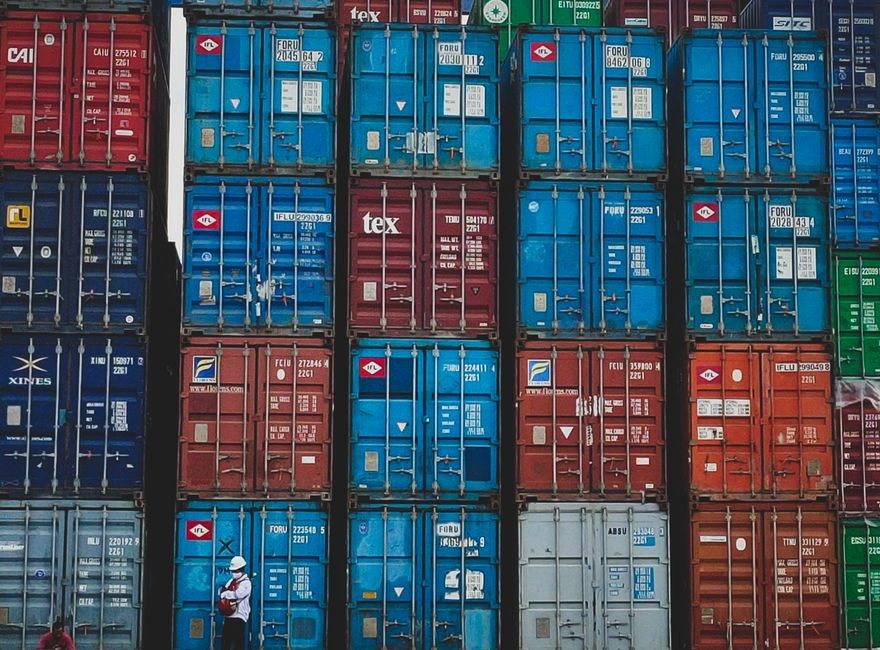
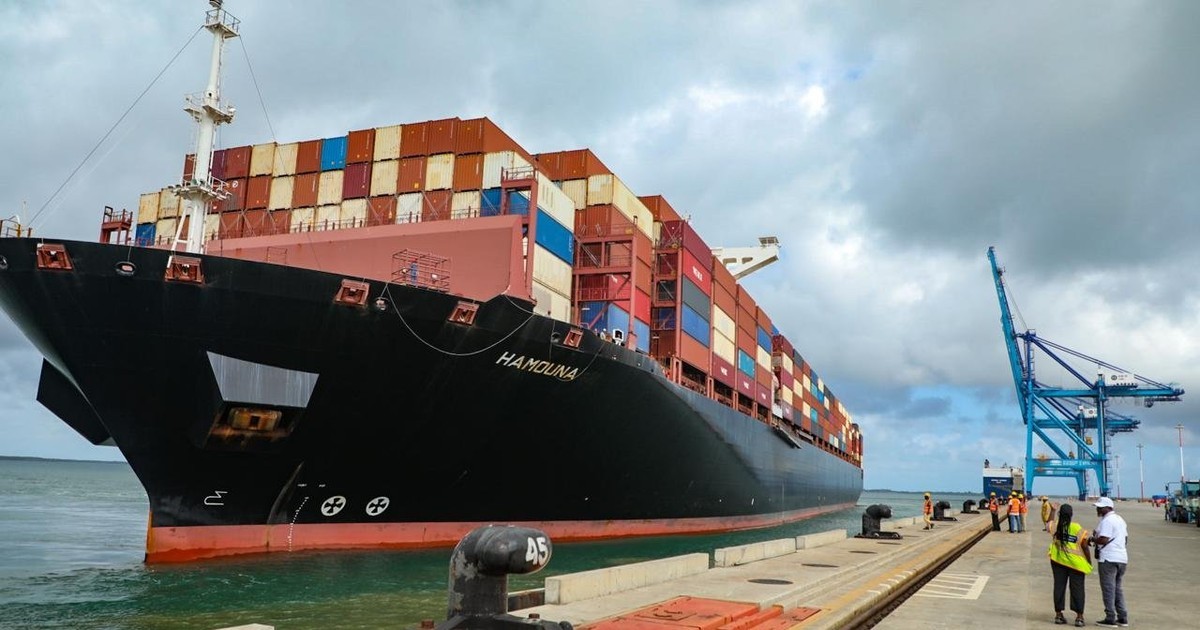
According to africa.businessinsider.com, the Iranian container ship MV Hamouna — operated by Iran’s Islamic Republic of Iran Shipping Lines (IRISL) — discharged 5,200 TEU at Kenya’s Port of Lamu, setting a new single-vessel discharge record for the port.
Lamu’s deep-water capability enables record-breaking calls
The MV Hamouna, a 366-metre vessel, arrived carrying approximately 14,500 twenty-foot equivalent units. Its successful berthing was made possible by Lamu Port’s natural depth of up to 17 metres along the main channel and engineered berths with a depth of approximately 17.5 metres. These specifications allow the port to accommodate Post-Panamax vessels exceeding 10,000 TEUs.
The containers discharged from MV Hamouna will be transferred to smaller feeder vessels for onward shipment across East Africa. The vessel navigated roughly 14 nautical miles through Lamu’s Eastern Channel before docking — a route enabled by the port’s dredged and maintained infrastructure.
Kenya Ports Authority confirms that Lamu currently operates three 400-metre berths, all fully functional and designed for large-scale maritime operations. This capacity distinguishes it from Mombasa Port, which has not yet surpassed the 5,000 TEU single-discharge threshold.
Dangote refinery catalyzes maritime expansion
The record discharge occurred just days after Nigerian industrialist Aliko Dangote and Kenyan President William Ruto broke ground on a $16 billion refinery in Lamu. The facility is designed to process 700,000 barrels per day and supply refined petroleum products across Kenya and neighbouring East African markets.
According to Lamu Port General Manager Captain Abdulaziz Mzee, the refinery will generate continuous traffic from large crude carriers and cargo vessels — both unloading crude oil and reloading diesel, petrol, and jet fuel for regional distribution. The project’s first major cargo arrived on September 26, when MV Da Yang Bai He delivered 2,930 tonnes of refinery equipment.
“This is the first vessel to discharge over 5,000 TEUs at once. Even our Mombasa Port has not surpassed this figure, making Lamu Port the next frontier in the maritime industry.” — Managing Director Captain William Ruto, Kenya Ports Authority
Escalating vessel size milestones
MV Hamouna follows other large-vessel visits: earlier this year, the 369-metre MV Baltimore Express called at Lamu, while the 335-metre MV Nagoya Express set a previous vessel-size record in 2025. These sequential arrivals underscore Lamu’s growing role as a deep-water hub capable of handling increasingly large tonnage and volume.
The port’s infrastructure readiness — paired with the imminent commissioning of the Dangote refinery — positions Lamu to become a central node in East Africa’s energy and maritime trade supply chain. Kenya Ports Authority Managing Director Captain William Ruto emphasized that MV Hamouna’s call demonstrates Lamu’s operational maturity and strategic scalability.
Source: africa.businessinsider.com
Compiled from international media by the SCI.AI editorial team.