Skip to content

Strategy & Planning

Analysis

India weighs telecom PLI 2.0 with design-led focus

India is preparing a second edition of its telecom production-linked incentive scheme, with the Ministry of Communications shifting the emphasis toward design-led manufacturing and deeper domestic value addition. The first scheme, backed by an outlay of Rs 12,195 crore, closed in March 2026 after approving 42 companies, including 28 MSMEs, and drawing Rs 6,073 crore in investment against an initial target of Rs 4,115 crore. Seventeen firms claimed the extra 1 per cent incentive for design-led manufacturing. The new proposal must clear inter-ministerial talks and consultation before reaching the Union Cabinet.

Original source: tribuneindia.com

India weighs telecom PLI 2.0 with design-led focus

Ask SCI.AI about this story

📋 本文要点

India is preparing a second edition of its telecom production-linked incentive scheme, with the Ministry of Communications shifting the emphasis toward design-led manufacturing and deeper domestic value addition. The first scheme, backed by an outlay of Rs 12,195 crore, closed in March 2026 after approving 42 companies, including 28 MSMEs, and drawing Rs 6,073 crore in investment against an initial target of Rs 4,115 crore. Seventeen firms claimed the extra 1 per cent incentive for design-led manufacturing. The new proposal must clear inter-ministerial talks and consultation before reaching the Union Cabinet.

According to www.tribuneindia.com, the Indian government is considering a second version of its production-linked incentive (PLI) scheme for the telecom industry, with a sharper emphasis on design-driven manufacturing and higher domestic value addition. The Ministry of Communications is developing the proposal, which must clear inter-ministerial discussions before going to the Union Cabinet for approval, according to sources aware of the development.

The sources indicated that the proposal remains under development and would need to pass through the consultation process before being taken to the Cabinet. The plan aims to deepen domestic capabilities in telecom product design and development while raising the share of locally manufactured components and products in the value chain.

Backward integration at the core

The ministry seeks to strengthen backward integration within the domestic telecom manufacturing ecosystem, particularly in design and development. That focus marks a shift from the first scheme’s broader manufacturing push toward the earlier stages of the value chain, where India’s telecom sector remains reliant on imported components.

The first telecom PLI scheme, introduced with an outlay of Rs 12,195 crore, ended in March 2026. It covered telecommunications and networking products and aimed to strengthen domestic manufacturing while reducing dependence on imports, according to the report.

First edition drew 42 approved companies

A total of 42 companies, including 28 micro, small and medium enterprises (MSMEs), were approved under the first scheme. Of these, 17 companies sought an additional 1 per cent incentive offered under the design-led manufacturing category.

The initiative attracted investments worth Rs 6,073 crore, exceeding the initial investment target of Rs 4,115 crore. The overshoot indicates that approved participants committed capital faster than the government had projected when the scheme was launched.

The proposed second edition aims to build on the existing framework, with a greater focus on domestic design capabilities and increased value addition within India’s telecom manufacturing ecosystem. The sources said the proposal would still need to go through the consultation process before being taken to the Cabinet.

Source: tribuneindia.com

Compiled from international media by the SCI.AI editorial team.
Ask SCI.AI Finished reading? Continue with SCI.AI. Explore the related policy, route, company and historical context. Continue asking
Stay ahead of supply chain shifts

One email a week: the stories that matter and new risk events — in English, free.

Prefer RSS? Articles Risk events

UAE delivers 136,000 tonnes of Gaza aid via 15,529 transport assets
Strategy & Planning

UAE delivers 136,000 tonnes of Gaza aid via 15,529 transport assets

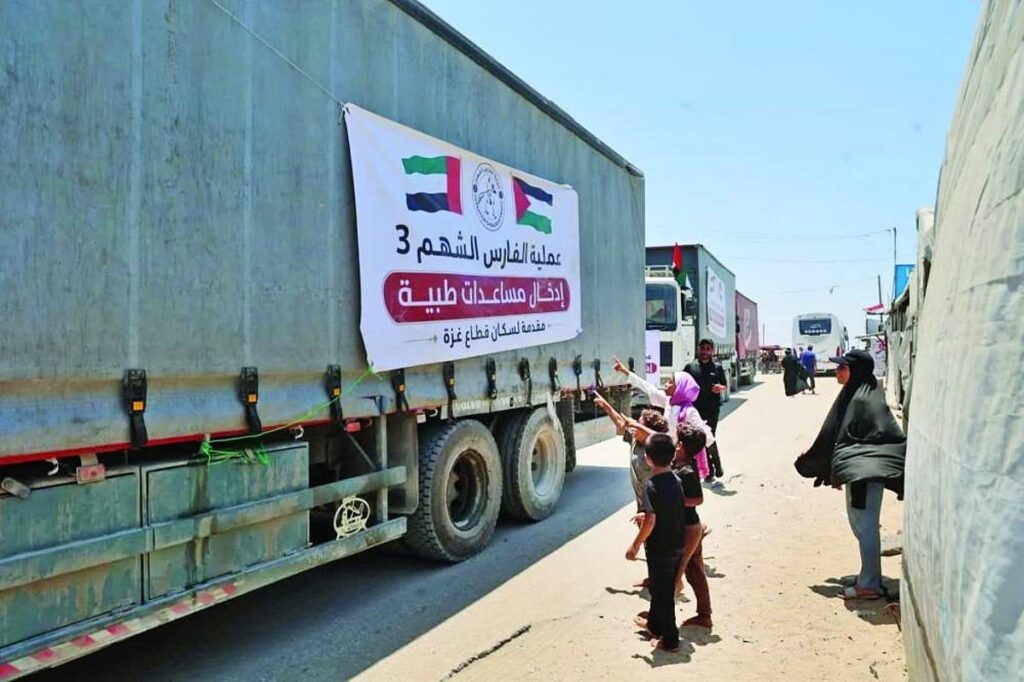
The UAE has delivered more than 136,000 tonnes of aid to Gaza under Operation Chivalrous Knight 3, valued at over $4.3 billion and equal to about 46 per cent of total international assistance to the territory. Hamoud Al Afari, director of UAE relief operations, said 15,529 transport assets were used, including 26 vessels, 218 aircraft in 81 airdrop missions and thousands of trucks. Three round-the-clock centres in Abu Dhabi, Al Arish and inside Gaza coordinate the effort, backed by 22 charitable institutions, 500 volunteers and 130 medical personnel.

ONE raises full-year profit forecast to $2 billion
Strategy & Planning

ONE raises full-year profit forecast to $2 billion

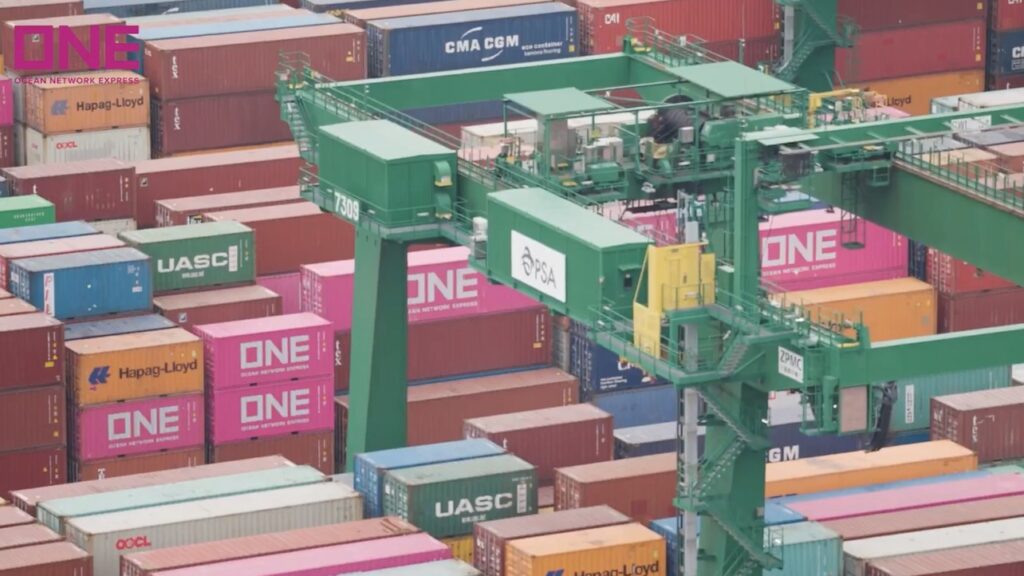
Ocean Network Express more than quadrupled its second-quarter net profit to $1.318 billion, up from $285 million a year earlier, and raised its full-year earnings forecast to $2 billion. Revenue rose about 41% to $6.27 billion as stronger freight rates and higher cargo volumes outweighed rising operating costs. The carrier lifted its annual profit outlook from $900 million and its revenue outlook to $21 billion, its second guidance upgrade this fiscal year. Average freight rates climbed to $1,709 per TEU from $1,252, while volumes rose 6.3% to 3.396 million TEUs.

Walmart commits $6 billion to Symbotic across 25 distribution centers
Strategy & Planning

Walmart commits $6 billion to Symbotic across 25 distribution centers

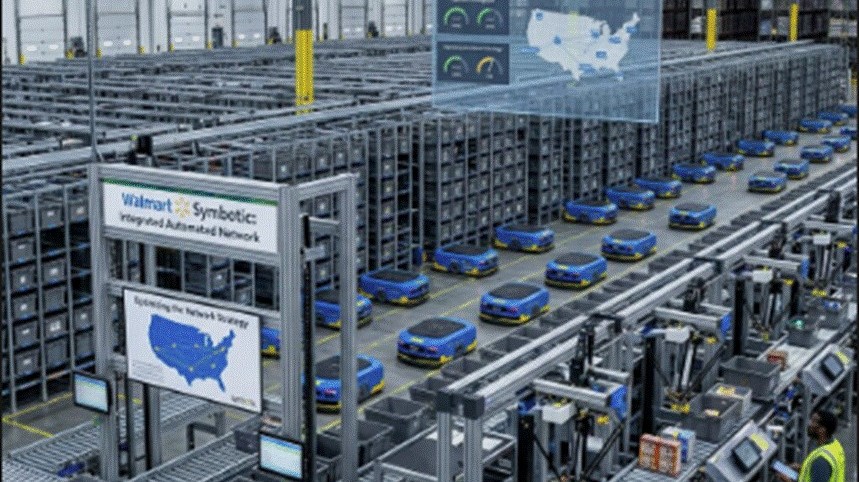
Walmart and Symbotic announced an expanded agreement on October 29 to bring additional automation to 25 U.S. regional distribution centers, with an initial commitment of roughly $6 billion over several years. Symbotic has worked with Walmart since 2017, and Walmart added $125 million for R&D on racking, picking and inventory-management technology. The deal signals a shift from single-facility projects to network-level automation strategy, echoed by Amazon's deployment of more than one million robots and DHL Supply Chain's one billion picks with Locus Robotics.

Welcome Back!

Login to your account below

Create New Account!

Fill the forms below to register

Retrieve your password

Please enter your username or email address to reset your password.

Scan to share via WeChat

Open WeChat and scan the QR code to share

QR Code

Add New Playlist