
Skip to content

Expert Columns

How America’s trucking industry became a hellscape

Original source: freightwaves.com

How America’s trucking industry became a hellscape

How America’s trucking industry became a hellscape

Reprinted. Original by Craig Fuller · Source: FreightWaves(Craig Fuller 专栏) · Original article

Craig Fuller, CEO at FreightWaves · Friday, December 05, 2025
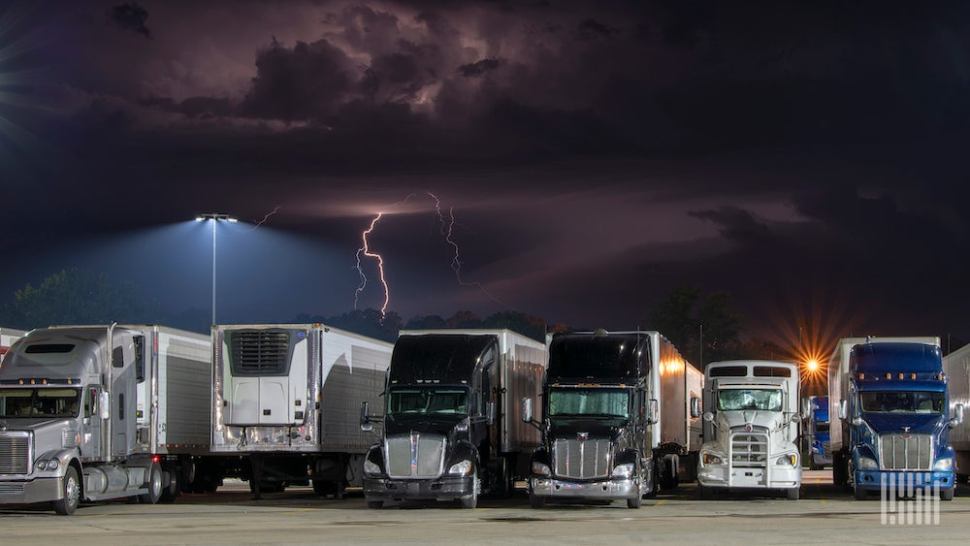
How the trucking industry became a hellscape (Jim Allen/FreightWaves)

Over the past few months, I’ve spoken with hundreds of senior executives at America’s largest trucking companies. Nearly all say they only recently discovered the massive influx of foreign drivers and motor carriers. Most assumed the trend was gradual; none realized it was exponential.
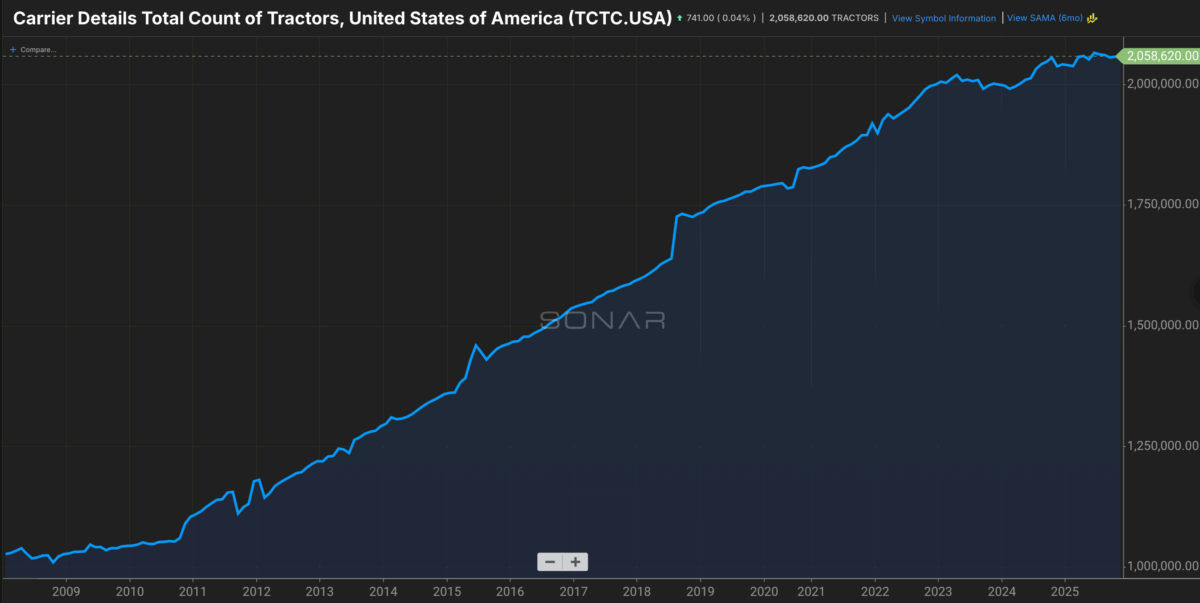
Few had ever heard the term “non-domiciled CDL” until this summer or understood how many drivers with little or no real training have flooded the industry. They failed to understand that despite their own investments in upgraded training and compliance efforts in recent years, that the smallest operators had been handed a massive gift: the ability to “train” their own truck drivers, with little to no oversight from Federal regulators.

These changes were driven by a long-standing belief—pushed hard by the American Trucking Associations (ATA)—that the U.S. faces a permanent truck-driver shortage. The ATA’s solution was to lobby Congress and FMCSA to lower every barrier to entry, convinced that new drivers would flow to large ATA-member fleets rather than small operators.

That assumption was rooted in an old reality: twenty years ago, only the biggest carriers offered real-time tracking, electronic tendering, and direct shipper relationships. Small carriers and brokers were stuck with phone, fax, and leftover freight.

That world no longer exists.

Fueled by billions in venture capital and private equity, freight brokers have not only caught up on technology—they’ve leapfrogged the large fleets. They offer single-source routing guides, superior automation, and, crucially, no obligation to enforce hours-of-service, speed limiters, or driver-qualification standards. Brokers simply buy the cheapest capacity available.

When the ATA successfully lobbied to dismantle entry barriers, it inadvertently handed the industry to those brokers and to the least-compliant segment of the market.

Key regulatory changes that removed barriers and gutted safety enforcement:

  • 2016 – DOT stops enforcing English-proficiency requirements for CDLs
  • 2018 – ELD mandate implemented; self-certified devices with intentional back doors allow unlimited editing of driving hours
  • 2019 – Non-domiciled CDLs introduced, permitting foreign nationals to obtain U.S. commercial licenses
  • 2022 – Entry-Level Driver Training rule triggers explosion of unaccredited “CDL mills” selling licenses for $500–$1,000 in days with virtually no training

These minimally trained foreign drivers cannot pass the vetting of large, compliant carriers (no work authorization, poor English, zero experience). They end up at small, often foreign-owned fleets that pay 40% below market and routinely run 14–20-hour days using tampered ELDs.

🔒

Sign up free to read the full article

Create a free account to unlock full access to all articles.

Sign Up Free

Already have an account? Sign in

Ask SCI.AI Finished reading? Continue with SCI.AI. Explore the related policy, route, company and historical context. Continue asking
The Rhino in the Room
Expert Columns Reprint 克努特·阿利克

The Rhino in the Room

Support authors and subscribe to content This is premium stuff. Subscribe to read the entire article.🔒Sign up free to read the full articleCreate a free account to unlock full access to all articles.Sign Up FreeAlready have an account? Sign inMore on This TopicThe Rhino in the Room (Oct 15, 2026)Why Leaders Do Not Vibe Code. […]

Why Leaders Do Not Vibe Code. And Why That Has To Change
Expert Columns Reprint 克努特·阿利克

Why Leaders Do Not Vibe Code. And Why That Has To Change

Why Leaders Do Not Vibe Code. And Why That Has To Change Reprinted. Original by Knut Alicke · Source: knutalicke.substack.com · Original article „My team does that“ has become the most expensive sentence in supply chain leadership Knut Alicke's avatar Knut AlickeJul 30, 2026 We ran the workshop anyway. One afternoon, four hours, a room […]

Warning: Sidestep the Narrative of the Misguided Goldiggers
Expert Columns Reprint 洛拉·塞西尔

Warning: Sidestep the Narrative of the Misguided Goldiggers

Warning: Sidestep the Narrative of the Misguided Goldiggers Reprinted. Original by Lora Cecere · Source: Supply Chain Shaman(Lora Cecere 博客) · Original article August 10, 2026 4:58 pm Recently, I wrote the blog, The Myth of End-to-End Planning, which was read by 27,000 readers. (Thanks for the read, and the dialogue in the comments.) This […]

Welcome Back!

Login to your account below

Create New Account!

Fill the forms below to register

Retrieve your password

Please enter your username or email address to reset your password.

Scan to share via WeChat

Open WeChat and scan the QR code to share

QR Code

Add New Playlist