Skip to content

Warehousing & Transport

Analysis

Wegmans invests $110M in supply chain expansion

Wegmans Food Markets is investing $110 million in its supply chain to expand capacity and consolidate operations in upstate New York. The initiative reduces reliance on third-party providers and supports stores across New York, Pennsylvania, and Ohio. Scheduled for phased completion starting in 2026, the project forms part of a $500 million infrastructure modernization plan spanning 2025–2027. The new facility targets improved inventory accuracy, shorter replenishment cycles, and greater responsiveness to regional demand shifts.

Original source: Source information pending

Wegmans invests $110M in supply chain expansion

The grocer is building a new facility in its home base of upstate New York and consolidating operations to limit its reliance on third-party providers.

Capital allocation and infrastructure rollout

Wegmans Food Markets is investing $110 million in its supply chain that it said will expand capacity, among other benefits. The investment includes construction of a new facility in upstate New York — the company’s home base — and consolidation of existing operations. This move aims to reduce dependency on external logistics partners and strengthen end-to-end control over product flow.

The project supports long-term growth objectives and aligns with Wegmans’ strategy of vertical integration within core supply functions. report, the initiative is scheduled for completion in phases beginning in late 2026, with full operational readiness expected by 2028.

Strategic rationale and operational impact

By centralizing key logistics functions, Wegmans expects to improve inventory accuracy, shorten replenishment cycles, and enhance responsiveness to regional demand fluctuations. The new facility will serve stores across New York, Pennsylvania, and Ohio, covering more than 110 retail locations.

The company emphasized that this investment directly addresses rising labor costs and transportation volatility observed since 2024. It also forms part of a broader multi-year capital plan totaling over $500 million allocated to infrastructure modernization between 2025 and 2027.

Source: Supply Chain Dive

Compiled from international media by the SCI.AI editorial team.
Ask SCI.AI Finished reading? Continue with SCI.AI. Explore the related policy, route, company and historical context. Continue asking
16 Trucking Companies File for Bankruptcy in Under a Month
Warehousing & Transport

16 Trucking Companies File for Bankruptcy in Under a Month

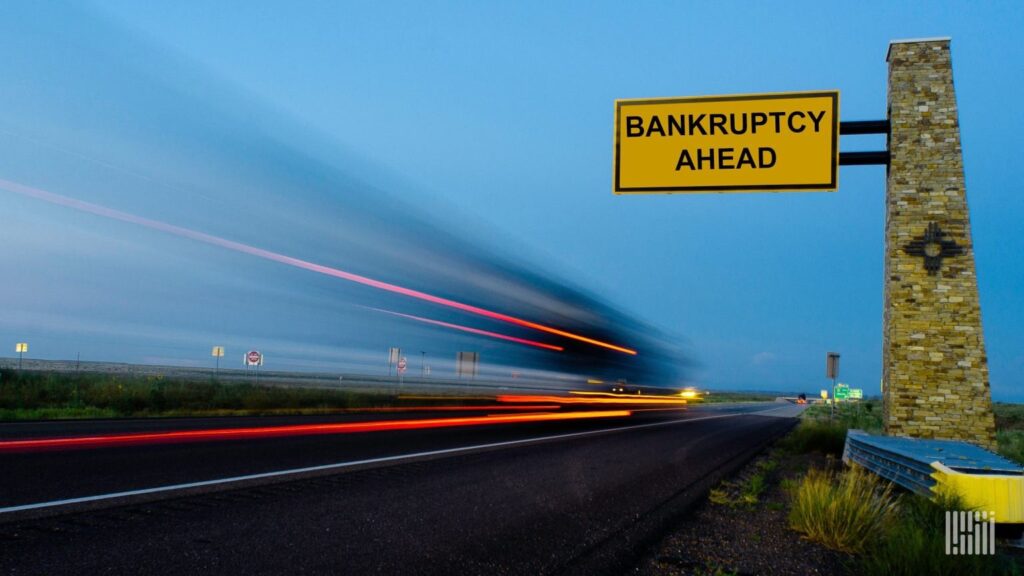
Sixteen U.S. trucking companies filed for Chapter 11 bankruptcy between August 15 and September 10, 2026 — the highest monthly concentration since 2019. Filings spanned 11 states, with Texas accounting for five cases. Median fleet size was 49 trucks; revenues ranged from under $25 million to over $85 million. Dry van carriers comprised 11 of the 16 firms. Spot rates fell 23% YoY while diesel prices rose 17.4%, intensifying margin pressure.

Record-Low Rhine Levels Choke Barge Traffic, Stress Ground Transport
Disruptions

Record-Low Rhine Levels Choke Barge Traffic, Stress Ground Transport

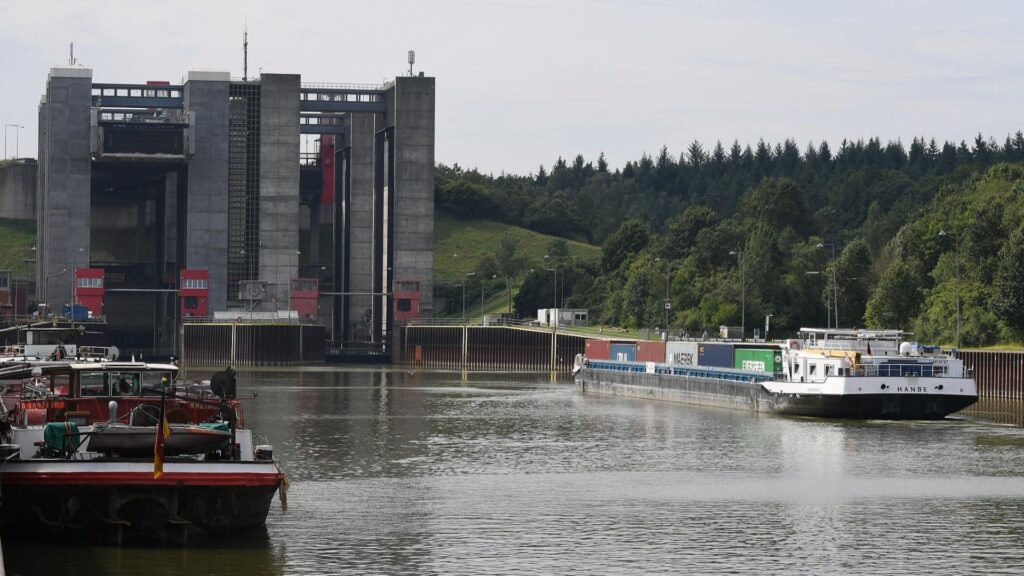
Record-low Rhine River water levels — falling to 32 cm at Kaub on September 15, 2026, the lowest since 1920 — are crippling barge traffic. Navigation restrictions took effect on September 10, 2026, forcing up to 40% load reductions and diverting 1.7 million tons of freight to roads and rails. Chemical and energy sectors report steep shipment declines: BASF cut ammonia barge deliveries by 12%, while coal deliveries dropped 31%. Rhine freight volumes fell 37% YoY in mid-September, with levels expected to stay below 50 cm through October 2026.

Diesel Supply Drops 8% as Trucking Faces Cost, Capacity Squeeze
Manufacturing

Diesel Supply Drops 8% as Trucking Faces Cost, Capacity Squeeze

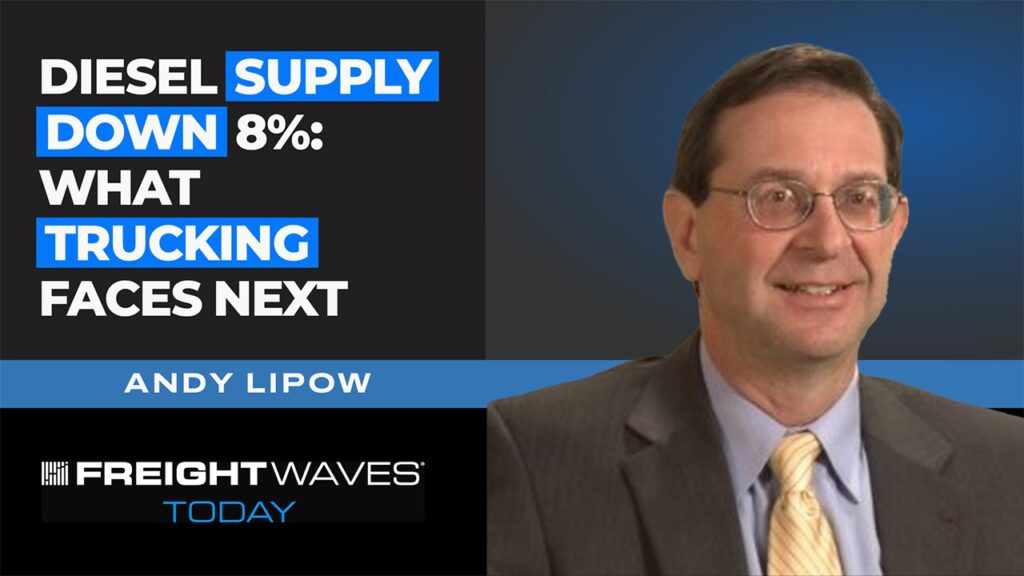
Diesel supply has dropped by 8% year-over-year, pushing U.S. trucking carriers to cut weekly mileage by an average of 145 miles per tractor and delay equipment upgrades. Diesel inventories fell to 23.7 million barrels in mid-September 2026—the lowest since May—while prices rose to $4.28 per gallon, up 19% annually. California refineries produced only 9% of national diesel in early 2026 versus 18% in 2025. The Western Gateway pipeline is scheduled for completion in Q3 2027. SONAR projects diesel supply will stay below the five-year average through December 2026.

Welcome Back!

Login to your account below

Create New Account!

Fill the forms below to register

Retrieve your password

Please enter your username or email address to reset your password.

Scan to share via WeChat

Open WeChat and scan the QR code to share

QR Code

Add New Playlist