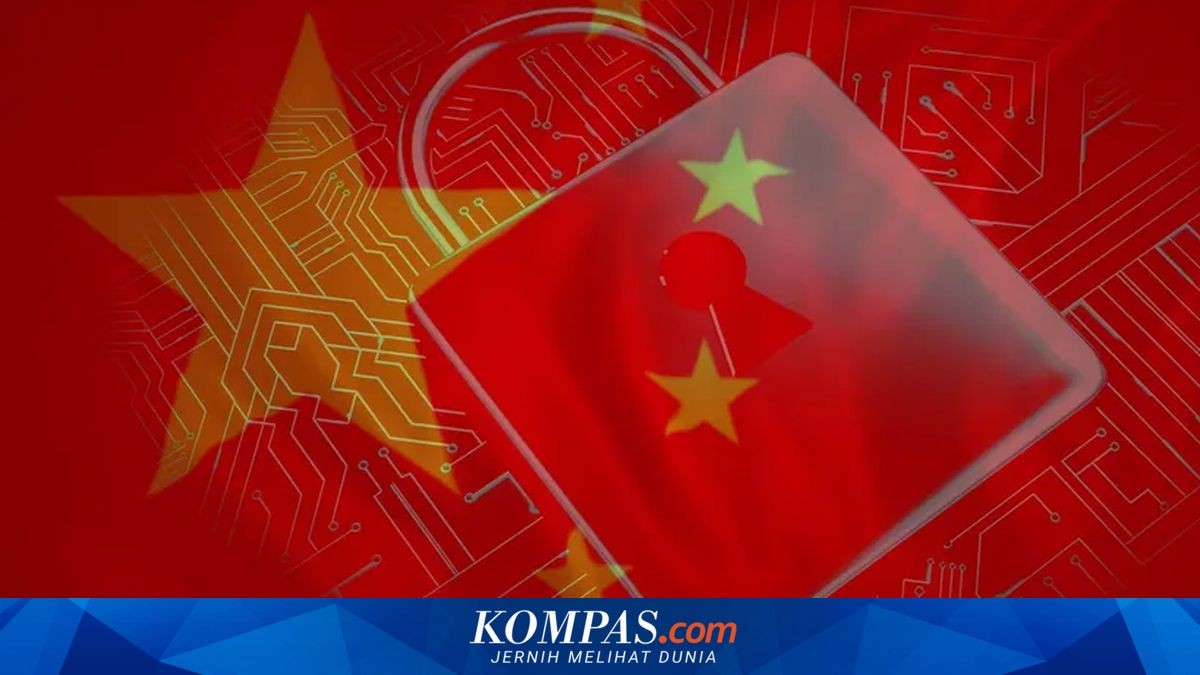
According to www.kompas.com, the Chinese government has formally offered industrial manufacturing assistance to Indonesia to boost domestic value addition in mineral processing — a move analysts say is strategically aimed at embedding Chinese firms into Indonesia’s nickel supply chain.
Strategic alignment of mineral policy and manufacturing capacity
Wang Lutong, China’s Ambassador to Indonesia, stated that deepening industrial and supply chain integration supports the economic development goals of both nations. He emphasized that Indonesia’s downstreaming agenda for critical minerals “can be combined with China’s manufacturing capabilities to increase commodity value-added,” as reported by Antara on Monday, 20 July 2026.
Indonesia has banned raw ore exports since 2014, covering nickel, bauxite, and copper. This policy requires all mining companies to conduct smelting and refining domestically — a cornerstone of Jakarta’s industrial strategy to shift from commodity exporter to high-value processor. Prior to the ban, Indonesia supplied approximately 50% of China’s total nickel ore imports, according to the U.S.-based National Bureau of Asian Research.
Securing critical mineral access amid export restrictions
Jayant Menon, Visiting Senior Fellow at Singapore’s ISEAS–Yusof Ishak Institute, observed that Chinese investors adding value to Indonesian minerals gain dual market access: the rapidly expanding domestic Indonesian market and global supply chains where processed outputs meet export eligibility criteria. “I think they want to secure as much of that supply chain as possible,” Menon said, as quoted in the South China Morning Post on 26 July 2026.
Indonesia holds the world’s largest nickel reserves — a vital input for stainless steel and electric vehicle (EV) batteries. Its position makes it indispensable to global EV battery supply chains, particularly for cathode material production. The country’s export ban forced Chinese manufacturers to adapt quickly; the National Bureau of Asian Research documented that firms faced “severe and costly disruptions” when enforcement tightened.
Massive Chinese investment in Indonesian smelting infrastructure
Over the past decade, Chinese enterprises have invested more than $65 billion (approximately Rp 1.05 trillion) in Indonesia’s mining and energy sectors, per two Singapore-based academics writing in June 2026. These funds financed integrated industrial parks, nickel smelters, and EV battery material processing facilities.
This capital deployment enables Beijing to comply with Indonesia’s raw-material export ban while simultaneously transferring metallurgical and battery-processing technologies to local partners. Projects include large-scale smelter complexes in Morowali and Weda Bay — locations where Chinese state-owned and private firms now operate jointly with Indonesian partners under production-sharing agreements.
Implications for global supply chain professionals
For procurement and logistics executives, this trend signals intensified competition for secured, vertically integrated nickel supply routes. With Chinese firms controlling upstream mining, midstream smelting, and downstream battery precursor production in Indonesia, lead times and contractual flexibility for non-Chinese EV battery makers may tighten.
The $65 billion in Chinese capital represents over 70% of all foreign direct investment in Indonesian mining infrastructure since 2014, according to data compiled by the Indonesian Investment Coordinating Board (BKPM). That concentration raises questions about long-term pricing transparency, technology licensing terms, and contingency planning for alternative sourcing — especially given that Indonesia’s nickel output accounts for nearly 35% of global primary nickel supply.
Source: kompas.com
Compiled from international media by the SCI.AI editorial team.