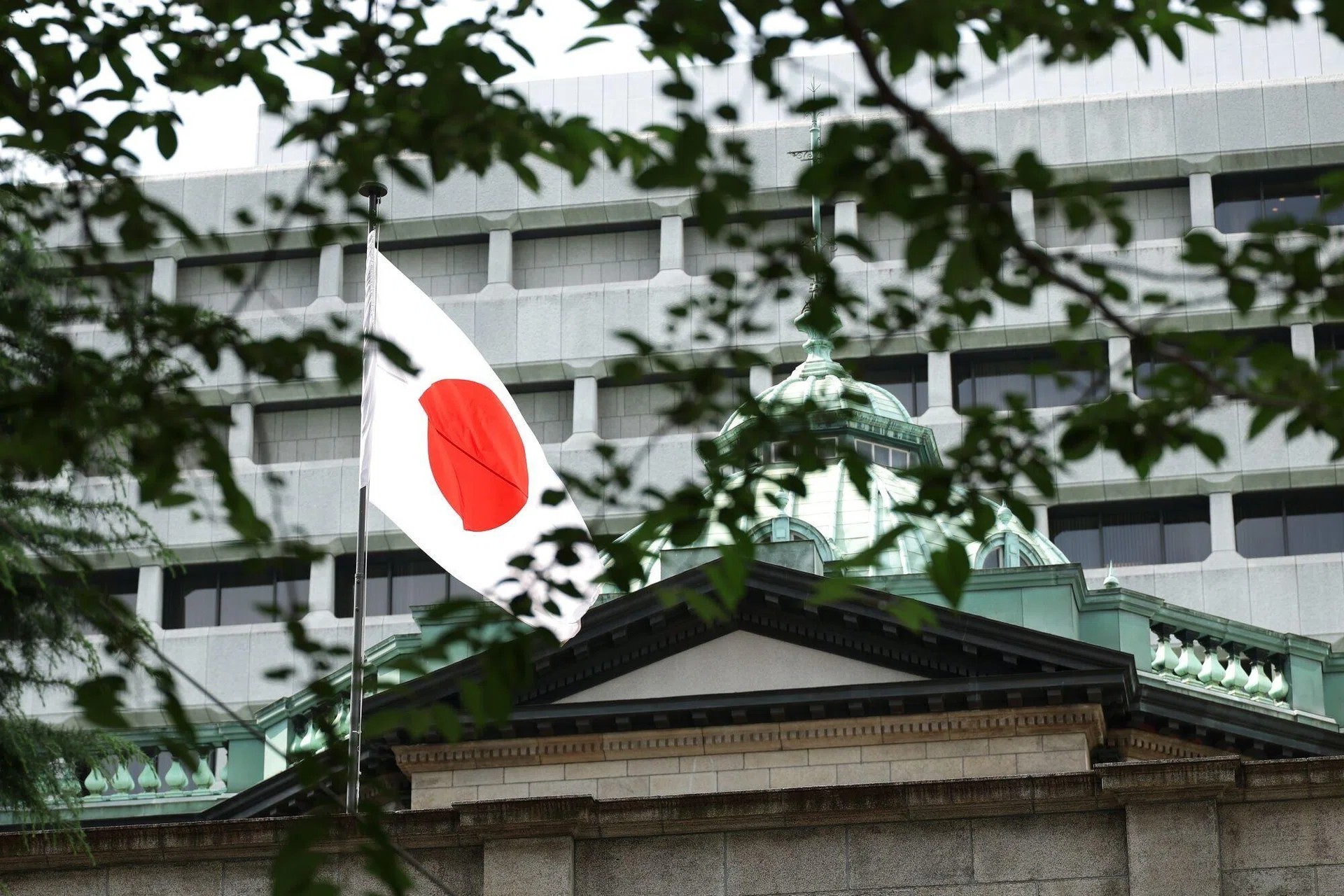
According to www.businesstimes.com.sg, the Bank of Japan (BOJ) may revise its fiscal 2026 economic growth forecast upward to 0.5 per cent — up from its April projection — while maintaining its short-term policy rate at 1 per cent through its July 31 policy meeting.
Economic Forecast Adjustments Amid Conflicting Price Pressures
The BOJ is scheduled to release its quarterly report this month, featuring updated growth and inflation forecasts. Although falling oil prices following the June preliminary US-Iran peace deal have reduced downside risks to the economy, the central bank is expected to trim its core inflation forecast for fiscal 2026 from the 2.8 per cent rise projected in April. Yet this adjustment will not signal a retreat from vigilance: rising import costs driven by a persistently weak yen, steady wage gains, and energy supply disruptions continue to exert upward pressure on domestic prices.
The BOJ’s regional economic report issued on Thursday noted that Japanese firms have mitigated disruption from the Strait of Hormuz closure — triggered by the Middle East war that began on February 28 — by rerouting shipments and sourcing alternatives. However, those mitigation efforts carry added logistical costs, which companies are increasingly passing on to consumers.
Inflation Dynamics and Policy Guidance
Wholesale inflation spiked to 7.1 per cent in June as firms absorbed higher raw material costs. Meanwhile, core consumer inflation — the BOJ’s primary price gauge — remained below its 2 per cent target for a fourth consecutive month in May, partly due to government subsidies shielding households from fuel price hikes. Still, the BOJ expects broader price pressures to intensify: its regional report states many firms plan to raise prices on food and daily necessities starting this summer, likely pushing up the consumer price index later this year.
BOJ board member Toichiro Asada acknowledged on Monday that the pass-through of higher oil prices has occurred at a “relatively rapid pace” and could lead to broad-based price increases across goods categories — a view echoed by two other unnamed sources familiar with the bank’s internal deliberations.
“With oil prices falling, downside risks to the economy have receded somewhat. But the high cost of past imports will keep putting upward pressure on prices.” — Source familiar with BOJ thinking
Rate Path and Data-Driven Timing
Having raised interest rates to a 31-year high of 1 per cent in June — its landmark step toward policy normalisation — the BOJ is widely expected to hold steady in July. Most analysts polled by Reuters anticipate a further hike to 1.25 per cent by year-end. Crucially, the BOJ is unlikely to telegraph the timing of the next move explicitly; instead, it will await key inflation data releases — the July consumer price index (CPI), due on August 21, and the August CPI, scheduled for September 18.
Both data points will be available ahead of the BOJ’s September and October policy meetings. The central bank’s continued focus on inflation risks reflects structural pressures beyond energy alone: brisk global demand for AI-related semiconductors and electronic equipment is lifting input costs, while the weak yen continues to inflate import prices — particularly for fuel-dependent sectors.
Geopolitical and Structural Drivers
The Middle East conflict has complicated monetary policy calibration. The war, initiated when the US and Israel attacked Iran on February 28, stoked inflation via elevated oil prices and constrained energy supply routes. Japan — a nation importing over 90 per cent of its energy — faces acute vulnerability. Though firms have adapted logistically, the BOJ warns those adaptations entail embedded cost increases that feed into final consumer prices.
Additionally, the BOJ’s stance reflects evolving macroeconomic conditions: robust global AI demand is tightening supply chains for critical components, and domestic wage growth remains steady — reinforcing the central bank’s view that inflationary pressures are broadening beyond transitory shocks.
Source: businesstimes.com.sg
Compiled from international media by the SCI.AI editorial team.