According to theloadstar.com, monsoon storms along India’s west coast have severely disrupted operations at Nhava Sheva Port (JNPA), forcing intermittent suspensions and reduced capacity at multiple container terminals during early July 2026.
Terminal suspensions and weather-related operational halts
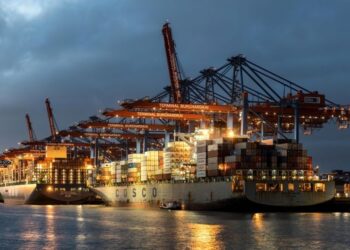
PSA’s Bharat Mumbai Container Terminals (BMCT), JNPA’s largest container terminal by capacity following its recent Phase 2 expansion, suspended operations for nearly two days. This outage occurred as gale-force winds and torrential rain battered the region, triggering berth schedule disruptions and vessel backlogs across the port complex. Crane operations at terminals operated by DP World and APM Terminals were also curtailed at times, while freight storage areas flooded, damaging cargo, according to industry stakeholders.
A dockside accident involving ONE’s Dalian box ship at Nhava Sheva Freeport Terminal (NSFT)—operated jointly by CMA Terminals and JM Baxi—further strained port functionality amid the adverse weather. The Brihanmumbai Customs Brokers Association (BCBA) issued a trade advisory stating:
“The weather has affected cargo movement, transportation and clearance activities.” — Brihanmumbai Customs Brokers Association (BCBA)
Logistics bottlenecks compound existing pressures
Container Freight Stations (CFS) serving JNPA reported severe delays due to continuous heavy rainfall and strong winds over the past week, resulting in widespread flooding, waterlogging, and traffic congestion on key road corridors linking terminals and CFS facilities. As a result, the turnaround time of trailer trucks increased substantially—adversely affecting both import and export container evacuation and delivery.
These weather-induced challenges 叠加 ed pre-existing operational strains, including intensified yard congestion driven by transhipment cargo diverted from the Middle East and a severe shortage of truck drivers. That driver shortage limited landside evacuation capacity and contributed to mounting yard inventories. However, transhipment volumes are now tapering off: JNPA handled 93,500 TEU in June 2026, down from 97,500 TEU in May and 134,000 TEU in April.
Throughput growth and freight rate surge
Despite the disruptions, JNPA recorded strong throughput traction in the current fiscal year (2026–27), which began in April. According to the latest official data, the port handled 2.25 million TEU in Q1—a 15% year-on-year increase. This growth reflects both recovering transhipment flows and steady growth in direct trade volumes.
Meanwhile, Indian exporters face sharply elevated container freight rates across major trades. Rates from India to the US East Coast and North Europe have more than doubled over the past month, driven by front-loading demand and capacity disruptions linked to the monsoon and earlier port incidents. The Container Freight Stations Association of India confirmed that delays in container movement were “unavoidable under the prevailing conditions.”
Source: The Loadstar
Compiled from international media by the SCI.AI editorial team.