According to eplogistics.com, Latin America’s e-commerce market is expected to surpass $200 billion by 2026, with international sales growing 45% compared to 36% for domestic sales — reshaping cross-border logistics, customs compliance, and fulfillment strategies across the Americas.
Supply Chain Regionalization and Nearshoring Acceleration
Global upheavals have accelerated supply chain regionalization, with companies relocating production closer to end markets. Mexico has emerged as the primary beneficiary due to its proximity to the US market, established manufacturing infrastructure, and favorable trade agreements — positioning it as an ideal alternative to distant Asian production, particularly for US-Mexico cross-border logistics operations.
The USMCA 2026 Review Impact
The mandatory USMCA review in 2026 may introduce changes to rules of origin requirements, labor provisions, and digital trade regulations. According to the report, exporters must prepare flexible supply chain strategies now to adapt quickly to any treaty modifications.
Regulatory Volatility and Compliance Challenges
Political shifts across Latin America are creating a complex regulatory environment — with some nations imposing more restrictions on cross-border trade while others pursue deregulation. The source states that exporters need robust compliance systems capable of adapting to rapidly changing requirements and implementing Latin American customs digitalization processes. Product traceability demands are intensifying, requiring documentation of origins, components, and environmental impact — prompting early adoption of blockchain-based traceability technologies.
Logistics Infrastructure Transformation
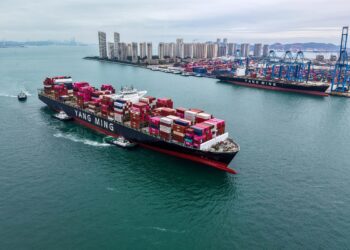
The Latin America e-commerce logistics market is projected to expand from $5.72 billion in 2024 to $14.53 billion by 2032, fueling major infrastructure development. Strategic shipping hubs are emerging: the Dominican Republic’s Port of Caucedo is positioning itself as a critical node for US–Latin America trade, and Colombia’s Pacific ports are gaining importance as alternatives to traditional routes. Mexico logistics providers with established cross-border capabilities are especially well-positioned to support exporters navigating these evolving corridors.
Technology-Driven Customs and Trade Processes
Digital transformation is revolutionizing customs processes across Latin America, with electronic documentation and automated clearance replacing paper-based systems. As digital compliance systems become required, exporters investing now will experience fewer administrative expenses and delays. Predictive analytics — deployed by leading e-commerce fulfillment companies using AI-powered systems — is becoming indispensable for anticipating disruptions, optimizing inventory placement, and reducing delivery times.
Sustainability and Circular Economy Mandates
Environmental regulations are tightening across Latin American markets. Consumers and governments increasingly demand sustainable packaging, reduced emissions, and circular economy practices. Carbon-neutral shipping requirements are directly affecting costs: Mexico’s carbon tax is expected to expand to cover more transportation activities by 2026. Forward-thinking exporters are already investing in carbon offset programs and exploring alternative fuel options for their Latin American logistics operations.
What Successful Exporters Are Doing Now
- Diversifying supply chains across multiple Latin American countries
- Implementing advanced compliance management systems
- Establishing regional distribution centers closer to end consumers
- Forming strategic partnerships with local logistics providers
- Investing in sustainability initiatives aligned with emerging regulations
Source: eplogistics.com
Compiled from international media by the SCI.AI editorial team.