According to manufacturing.economictimes.indiatimes.com, a three-day transporters’ strike from May 21 to May 23, 2026 brought freight movement to a near standstill across Sonipat and adjoining districts in the Delhi National Capital Region (NCR). The disruption stemmed directly from newly enforced environmental regulations — specifically the imposition of environment compensation charges (ECC) and restrictions on BS-4 commercial vehicles.
Scale and Scope of Disruption
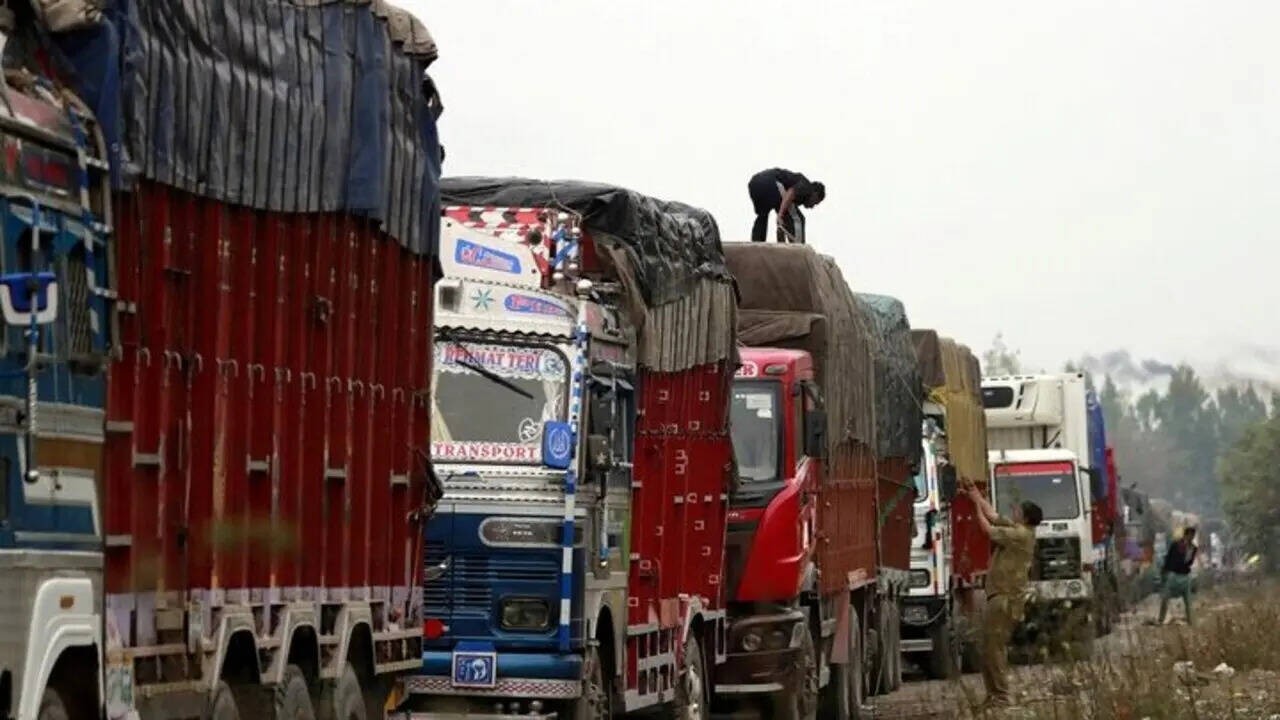
The strike visibly intensified on Friday, May 23, 2026, with thousands of trucks remaining off the roads. Major transport hubs in Sonipat appeared deserted, as parked trucks lined loading points and logistics corridors. According to the report, this halted goods transportation across multiple industrial sectors, including automotive, FMCG, and chemicals — all key verticals concentrated in Sonipat’s manufacturing belt. Sonipat hosts over 1,200 registered small-scale industrial units, per the Haryana State Industrial and Infrastructure Development Corporation (HSIIDC), many reliant on just-in-time road freight for raw materials and finished goods.
Root Causes: ECC and BS-4 Restrictions
Transport operators allege that the ECC — levied at ₹1,300–₹2,500 per vehicle per trip depending on axle count and load capacity, as mandated under the 2025 NCR Air Quality Management Framework — has compounded pre-existing financial stress. Combined with the ban on BS-4 commercial vehicles effective April 1, 2026, the measures have disproportionately impacted small fleet owners. Union representatives estimate that over 8,500 BS-4 trucks remain active in the NCR, most operated by individual owner-drivers or micro-fleets with annual revenues under ₹15 lakh. These operators face rising diesel prices (up 22% year-on-year as of Q1 2026), loan repayments, and state-level permit fees — costs the source states are now exacerbated by ECC compliance overhead.
Union Leadership and Escalation Warning
Amit Kataria, the president of the Bhai Chara Truck Association in Sonipat, confirmed the strike was initially symbolic but warned it could intensify if no resolution is reached. His association represents approximately 3,200 truck owners across Sonipat and Rohtak districts. In a statement cited by the source, a union member said:
“We are already battling rising diesel prices, taxes, loan repayments and operational costs. The ECC and BS-4 restrictions have made survival even more difficult for small transporters.”
This sentiment echoes broader industry data: India’s road freight sector comprises ~90% unorganized players, with median fleet size of 1.7 vehicles, according to the Ministry of Road Transport and Highways’ 2025 Freight Census.
Broader Industry Context
The Sonipat action follows similar regulatory pushback elsewhere in India. In March 2026, transporters in Pune staged a 48-hour halt over GST e-way bill enforcement delays, disrupting auto component shipments to Tata Motors’ Pune plant. Meanwhile, Gujarat’s Vapi industrial cluster reported 17% average freight cost inflation in Q1 2026 — driven partly by accelerated BS-VI transition timelines and new green corridor toll surcharges. For supply chain professionals, the Sonipat strike underscores acute vulnerability in single-mode, high-density logistics corridors: over 68% of NCR-bound industrial freight moves via road, per the Logistics Division of NITI Aayog’s 2025 Freight Modal Share Report. Absent contingency routing or multimodal fallbacks — such as rail sidings at Sonipat’s Kharkhoda station, currently operating at 42% capacity — disruptions cascade rapidly across tier-2 supplier networks.
Source: manufacturing.economictimes.indiatimes.com
Compiled from international media by the SCI.AI editorial team.