According to www.cnbc.com, India’s manufacturing exports account for just 1.7% of global totals — a figure starkly dwarfed by China’s dominant position as the world’s largest exporter of manufactured goods.
Digital Infrastructure and Enterprise AI Demand
Prabhu Ram, Industry Research Group Vice President at Cybermedia Research (CMR), highlighted India’s accelerating digital-infra buildout during a July 7, 2026 interview on CNBC. He noted that enterprise demand for AI solutions has surged across sectors including banking, telecom, and IT services — driven by both regulatory digitization mandates and private-sector cost optimization goals. According to the report, India’s AI software market is projected to grow at a compound annual growth rate of 34.2% through fiscal year 2026, reaching an estimated value of $2.8 billion.
The Apple–Tata Electronics Leak and Assembly Capacity Gaps
A recent leak concerning Apple’s manufacturing partnership with Tata Electronics revealed operational constraints in India’s electronics assembly ecosystem. While Tata Electronics began contract manufacturing for Apple in early 2025, the source states that only three facilities across Tamil Nadu and Maharashtra are currently certified for iPhone component assembly — compared with over 32 Foxconn and Pegatron plants operating across Guangdong, Henan, and Jiangsu provinces in China. The report underscores that India’s total electronics hardware export value stood at $11.4 billion in 2024, less than 4% of China’s $312 billion electronics export tally for the same year.
Logistics and Port Readiness Metrics
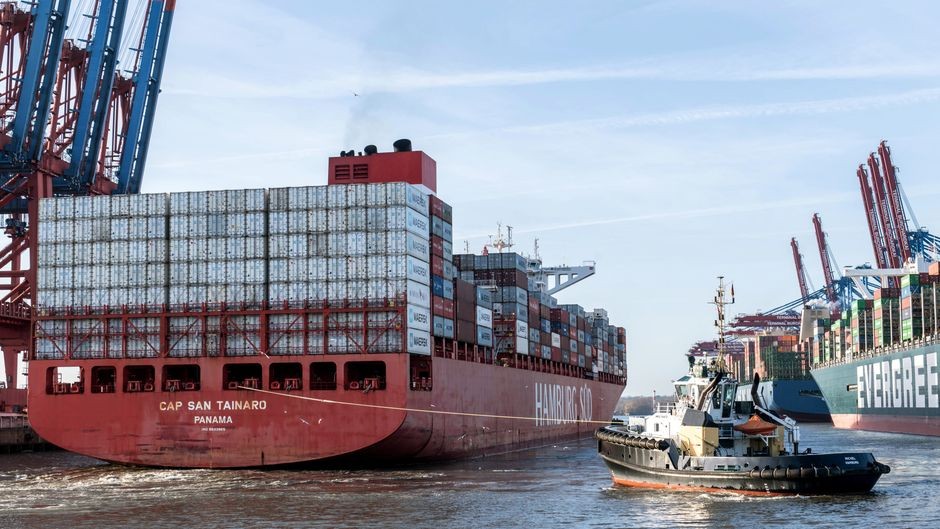
India’s port infrastructure remains a critical bottleneck. The source states that only 12% of India’s containerized cargo moves through automated terminals — versus 78% in Shanghai and 65% in Shenzhen. Further, average dwell time for import containers at Indian ports exceeds 5.2 days, more than double the 2.3 days observed at Ningbo-Zhoushan. According to CMR data, India’s logistics cost as a share of GDP stands at 13.8%, compared to China’s 7.9% and Vietnam’s 10.1%.
Policy Momentum vs. Execution Lag
While India’s Production Linked Incentive (PLI) scheme has allocated ₹1.97 trillion (approximately $23.7 billion) across 14 sectors since 2020, disbursement rates have lagged: only 58% of approved funds had been released by March 2025. Prabhu Ram emphasized that “infrastructure readiness, labor skilling scalability, and cross-state regulatory harmonization remain unresolved — not policy intent” — pointing to delays in land acquisition for industrial parks in Karnataka and Gujarat, where over 17 PLI-linked projects faced timeline slippage exceeding six months.
Source: CNBC
Compiled from international media by the SCI.AI editorial team.