According to www.scmp.com, Germany’s ruling coalition has agreed on a 34-point package to revive the country’s ailing economy — a move that includes a clear shift toward a tougher posture on trade defense, particularly concerning China.
Economic Revival Framework with Geopolitical Implications
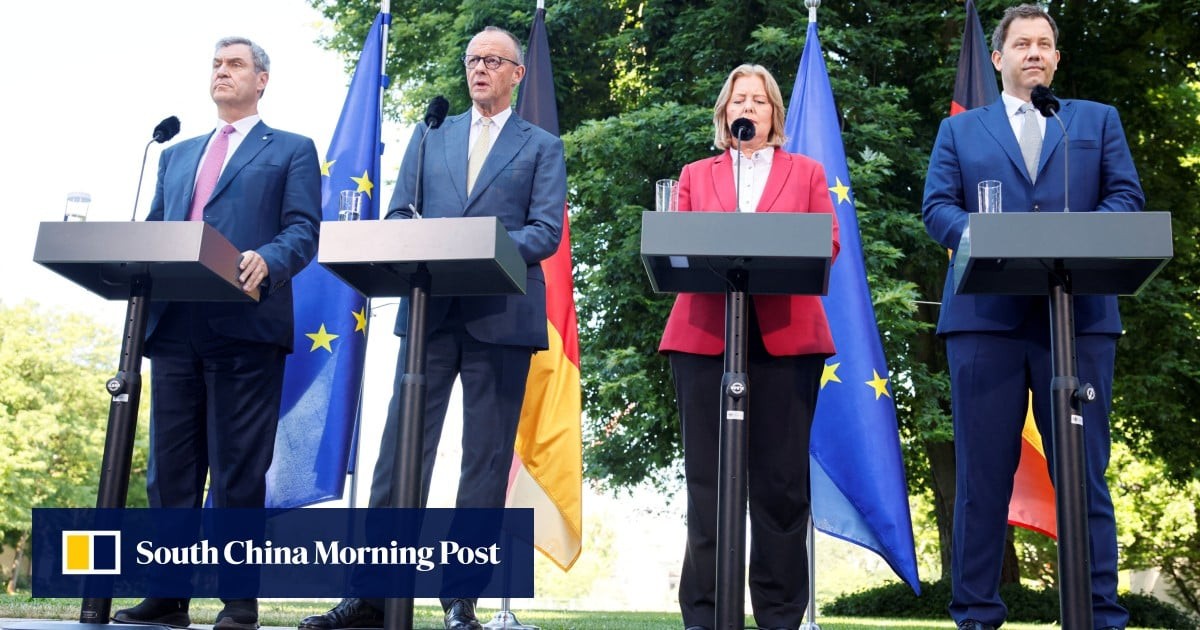
The package was finalized on Thursday, 3 July 2026, in Berlin under Chancellor Friedrich Merz’s leadership. Though the official document does not name China explicitly, Finance Minister Lars Klingbeil confirmed the government’s intent to adopt a “tougher stance towards Beijing” and safeguard German firms from unfair trade practices. Chancellor Merz stated during the Berlin presentation:
“We do not want trade imbalances of the current magnitude to arise or grow further.”
The timing underscores growing domestic pressure: Germany recorded its first annual trade deficit since 1991 in 2024, driven in part by surging Chinese imports across key industrial sectors including machinery, electric vehicles, and photovoltaic components.
Trade Defense Mechanisms at EU Level
A core pillar of the plan calls for “robust protection against unfair competition”, specifically through “a faster and sector-wide application of anti-dumping and anti-subsidy measures at European level”. The text further mandates that any circumvention of those measures must be “effectively prevented”. Juergen Matthes, head of international economic policy at the German Economic Institute, described the language as “a substantial change of the German position”, adding:
“I hadn’t expected it to be so clear, so substantial, and so public.”
Matthes emphasized that such duties are “a country-agnostic instrument” designed to ensure “a level playing field”, citing Organisation for Economic Co-operation and Development (OECD) research showing China subsidises its industries at rates far exceeding those of other advanced economies — a gap quantified by the OECD as averaging 1.8 times higher than the G7 median in 2025.
Strategic Context and Industry Impact
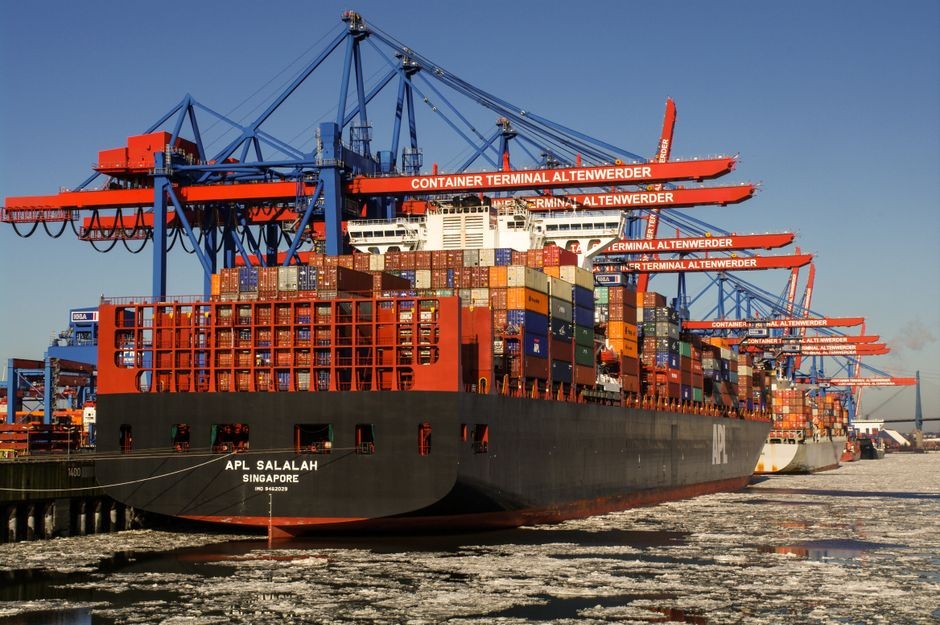
This pivot marks a notable departure from Germany’s historical role as the EU’s chief restraint on assertive China policy — a stance rooted in decades of export-led growth tied to Chinese market access. Between 2018 and 2025, German exports to China grew by 27%, while Chinese exports to Germany surged by 63%. The imbalance has intensified scrutiny of supply chain dependencies, especially after the EU’s landmark 17.4% provisional anti-subsidy duty on Chinese electric vehicles entered force in July 2024. Practitioners in procurement and logistics now face heightened due diligence requirements: dual-sourcing assessments, subsidy-risk mapping for Tier-2 suppliers, and accelerated review cycles for customs classification under new EU Trade Defence Instruments. According to industry data from the European Commission’s Directorate-General for Trade, anti-dumping investigations targeting Chinese exporters rose from 12 cases in 2021 to 29 cases in 2025.
Source: South China Morning Post
Compiled from international media by the SCI.AI editorial team.