45,000 Dockworkers on Strike, Truckers Idled: A “Creepy” ILA Strike
The strike of 45,000 dockworkers at East Coast and Gulf Coast ports has shut down major shipping hubs, idling thousands of truck drivers and threatening billions in economic losses for the U.S.
Author: John D. Schulz, October 2, 2024
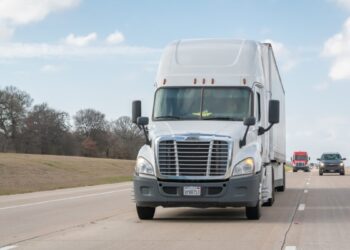
Thousands of truckers, mostly independent contractors relying on port logistics and other transportation services, have been idled due to actions related to the International Longshoremen’s Association (ILA).
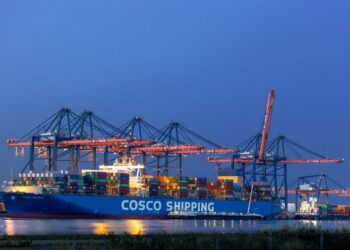
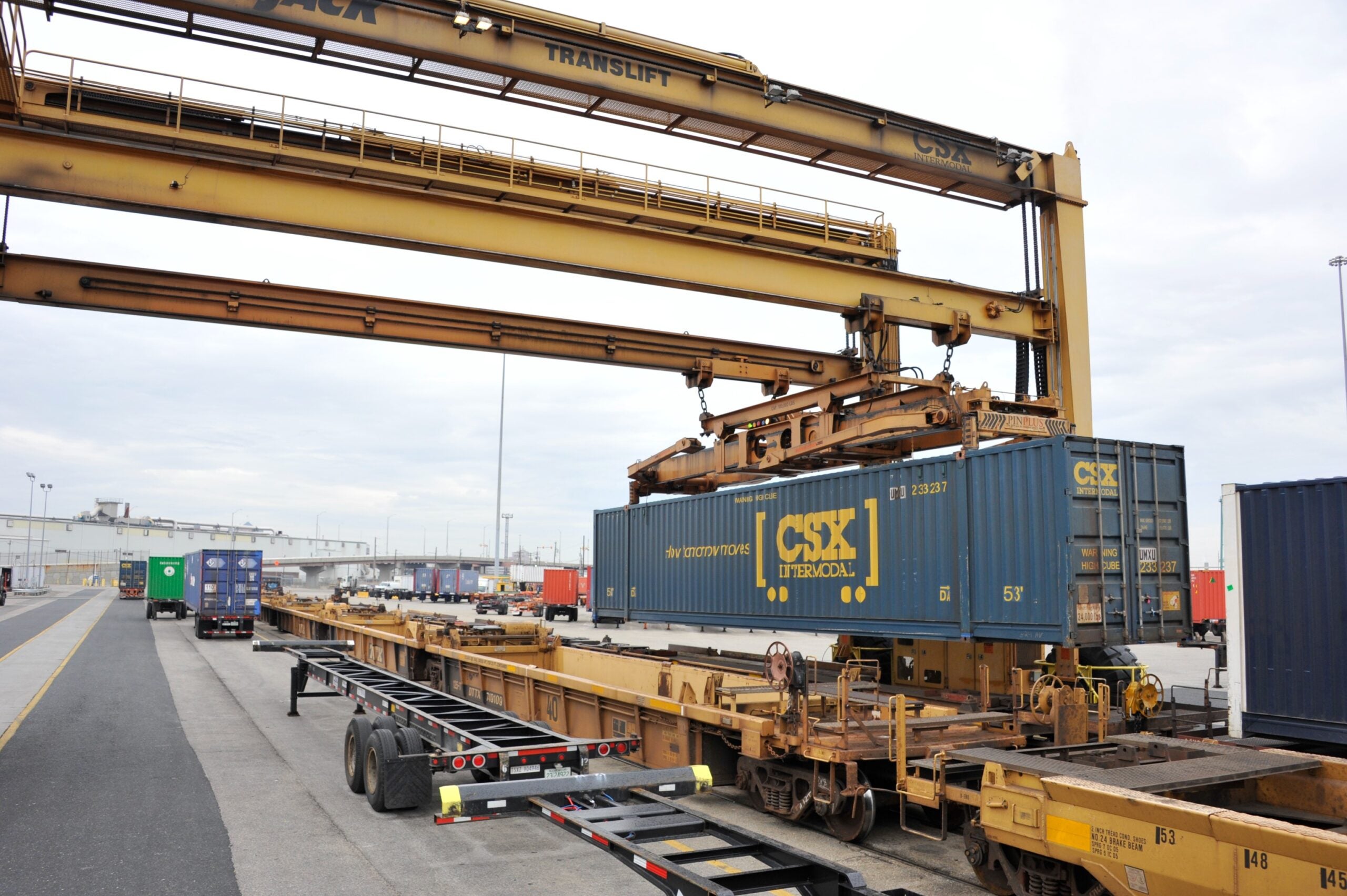
About 45,000 dockworkers are participating in the strike. They have effectively closed over thirty ports, primarily located along the Newark-New York area and the Gulf Coast and East Coast shipping terminals.
These bustling industrial hubs, which began their shutdown with the ILA action on October 1st, are now largely inactive. This is the first dockworker strike since 1977, bringing operations to a halt from New York to New Orleans.
“It’s like ghost towns; it’s really creepy,” said Sean Murphy, a warehouse manager in northern New Jersey, speaking to media outlets. “If I can be frank, it’s eerily quiet. I’ve never seen anything like this in my life.”
ILA-covered dockworkers earn annual salaries ranging from $80,000 to $200,000. They rejected a 50% pay increase over the contract period. The union is seeking an additional $5 per hour each year of the new contract—for workers currently earning $39 per hour, this represents a 77% raise.
In addition to wages, automation is another sticking point. New ports worldwide use automated cranes for loading and unloading cargo. ILA aims to preserve jobs through this strike but has not gained sympathy from independent truck drivers who primarily work in the ports.
The Owner-Operator Independent Drivers Association (OOIDA) noted that truckers have made long-term sacrifices due to inefficiencies in the supply chain, including those caused by strikes, pandemics, and natural disasters. OOIDA also pointed out that the current port strike highlights issues faced by drivers throughout the supply chain.
“Drivers’ earning potential is under constant downward pressure because their time isn’t valued by anyone in the supply chain,” said Todd Spencer, president of OOIDA, in a statement. “We encourage swift resolution to this latest dispute and emphasize the need for concrete discussions on how supply chain inefficiencies hinder driver compensation, increase loading delays, and impact road safety.”
Truckers are well aware that they are paid per shipment—meaning no pay during waiting periods—while dockworkers earn nearly $40 an hour. This eliminates any incentive to speed up or work harder at the docks.
The relationship between port truck drivers and dockworkers seems far from friendly.
“They have this careless attitude,” complained Joseph Green, a truck driver from Massachusetts, speaking to media outlets. “It doesn’t matter to them.”
Traditional tensions between truckers and dockworkers add an odd dynamic to the strike.
The Biden administration has refused calls for intervention in collective bargaining. However, the government did take one measure to pressure carriers: imposing surcharges on cargo since the start of the strike.
“Our government is calling on ocean carriers to waive their surcharges,” said Transportation Secretary Pete Buttigieg in a statement. “No one should profit from disruption, especially as communities across the country recover from the impact of Hurricane Helen.”
The Conference Board, a business research organization comprising over 1,000 global companies, estimates that a week-long port strike could cost the U.S. economy nearly $4 billion—about $540 million per day.
East Coast and Gulf ports handle more than half of the country’s container volume and a quarter of annual international trade worth approximately $3 trillion.
“A port strike would paralyze American trade and push up prices just as consumers and businesses are starting to feel relief from inflation,” said Erin McLaughlin, senior economist at The Conference Board, in a statement. “There is no simple backup plan. While freight companies have started diverting some cargo to the West Coast, this alternative has limited capacity.”
Source Website: Logistics Management