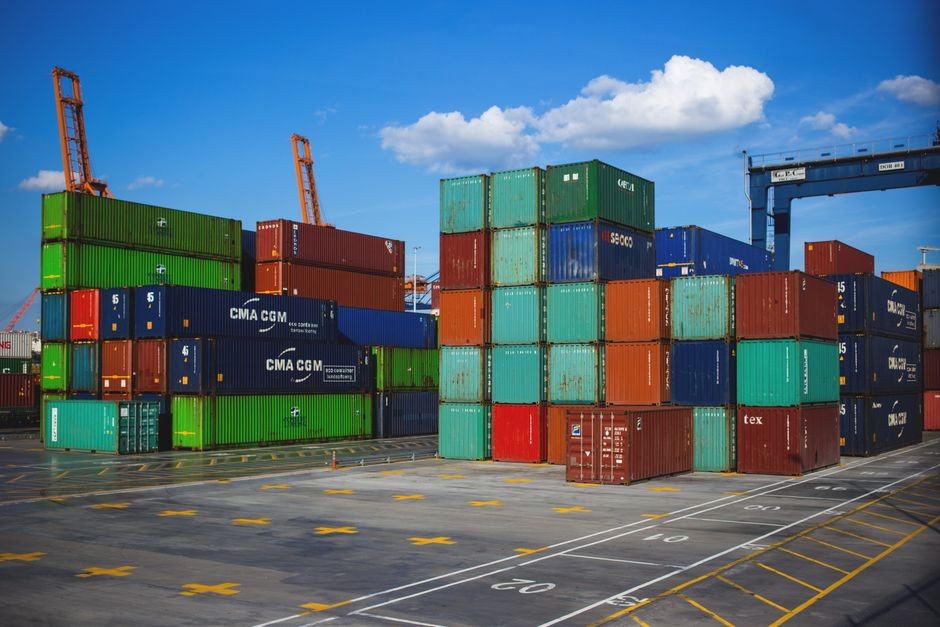
The latest step of the renovation includes installing new electrical and material-handling equipment and is set to begin in August.
Renovation timeline and scope
Walmart expects to complete the next phase of a Texas warehouse revamp in September 2027. The $8 million investment targets infrastructure modernization at one of its distribution centers in Texas. This phase specifically involves upgrading core operational systems, including new electrical infrastructure and advanced material-handling equipment.
The project is scheduled to commence in August, aligning with Walmart’s broader capital expenditure plan for fiscal year 2027. disclosures, the company allocated over $14 billion for supply chain and technology investments in fiscal year 2026, with warehouse automation and regional distribution capacity expansion identified as top priorities.
Context: Walmart’s U.S. distribution network
Walmart operates more than 150 distribution centers across the United States, including 12 dedicated to grocery and consumables fulfillment. Its Texas footprint includes facilities in San Antonio, Fort Worth, and El Paso, supporting over 400 retail stores and e-commerce delivery hubs across the state. The remodeled facility is among those serving high-growth markets in South and Central Texas — regions where same-store sales rose 3.7% in Q1 2026, ’s earnings report.
This $8 million Texas DC upgrade follows a $12 million automation retrofit completed in early 2025 at Walmart’s Chino, California distribution center, which installed robotic palletizers and AI-driven sortation conveyors. That project reduced average order processing time by 22% and cut labor-related downtime by 18%, operations metrics cited in a Supply Chain Dive analysis.
Industry alignment and benchmarking
Walmart’s investment mirrors broader industry trends. In May 2026, Amazon announced a $6.5 million upgrade to its San Bernardino, California fulfillment center, focused on energy-efficient lighting and automated carton erectors. Similarly, Target committed $1.3 billion in 2025 to expand and automate its U.S. distribution network — including a new 1.2 million-square-foot facility in Phoenix, Arizona, scheduled to open in Q4 2026.
Logistics Management 2026 U.S. Warehouse Investment Report, total capital expenditures for distribution center modernization across Fortune 500 retailers reached $42.8 billion in 2025, a 11.3% increase year-over-year. Electrical system upgrades and material-handling equipment replacements accounted for 34% of that total — the largest single category, surpassing software implementation (28%) and building expansion (21%).
Operational impact for supply chain professionals
For supply chain practitioners, this phase signals a shift from greenfield automation builds to brownfield optimization — where legacy infrastructure is retrofitted rather than replaced. The focus on electrical upgrades reflects growing demand for higher power density to support robotics, charging stations for electric material-handling vehicles, and real-time IoT sensor networks. Material-handling equipment modernization typically delivers measurable ROI within 18 months, primarily through reduced maintenance costs (27% average reduction), lower energy consumption (19% improvement), and fewer line-stop incidents (31% decline), from the MHI Annual Industry Report.
Implementation timing — starting in August and concluding in September 2027 — requires careful coordination with peak-season planning. Supply chain teams must manage inventory rerouting, temporary throughput constraints, and cross-training for new equipment interfaces without disrupting holiday readiness timelines. Walmart’s stated completion window positions the facility to support full-volume operations ahead of the 2027 Black Friday and Cyber Monday periods.
Source: Supply Chain Dive
Compiled from international media by the SCI.AI editorial team.