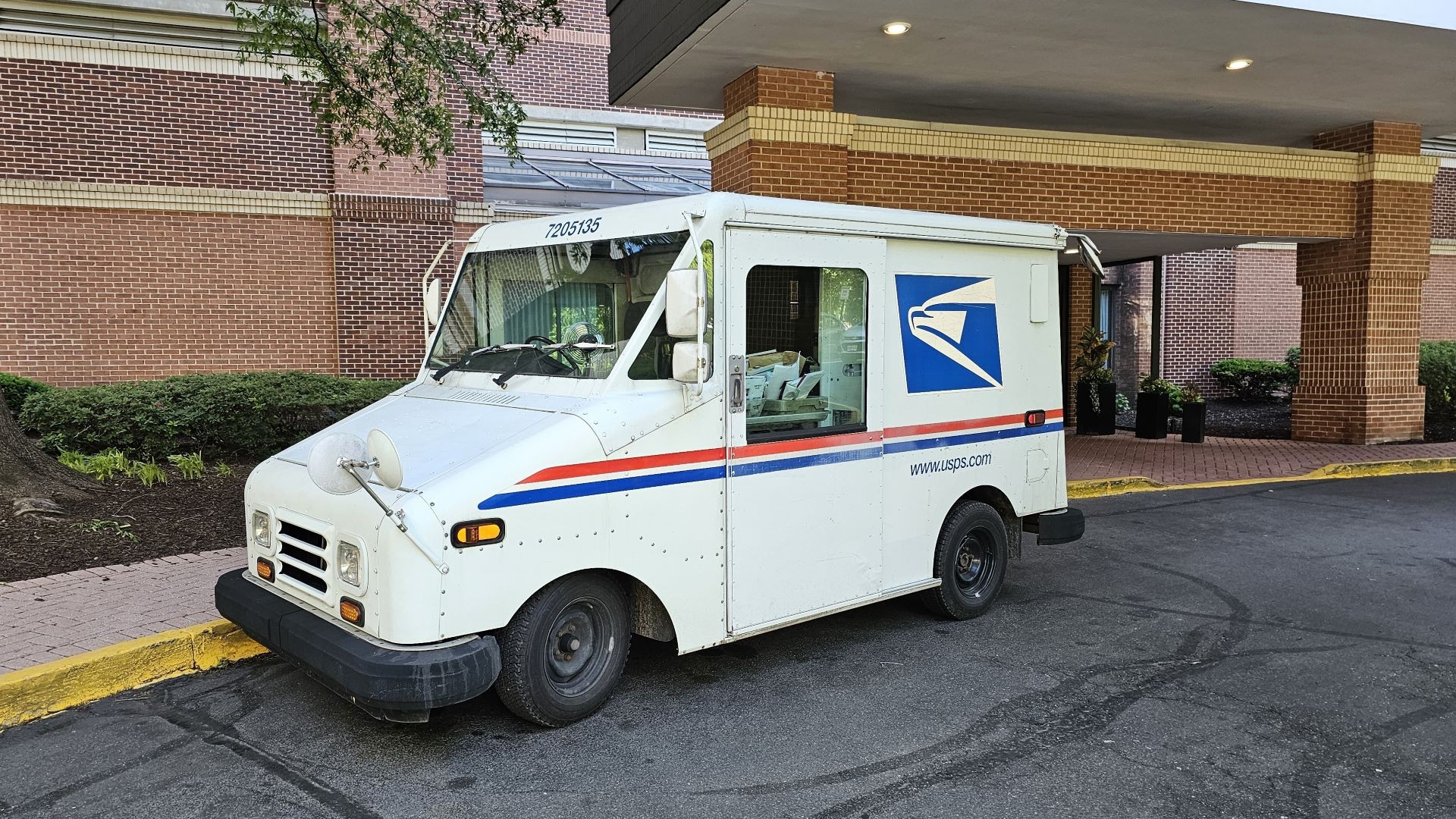
According to www.freightwaves.com, DHL eCommerce has signed a multi-year contract valued at $10 billion to outsource its U.S. last-mile parcel delivery to the U.S. Postal Service — the largest and most scalable agreement between the two organizations in their 25-year partnership.
Financial context and USPS fiscal pressure
The agreement arrives amid acute financial strain at the U.S. Postal Service, which reported a $9.5 billion net loss in fiscal year 2025. Postmaster General David Steiner responded by freezing nonessential spending — including hiring and travel — after warning Congress the agency could face a cash crisis within 12 months. The $10 billion DHL contract directly supports Steiner’s revenue-first stabilization strategy, supplementing earlier workshare deals such as Amazon’s April 2026 agreement, under which the Postal Service receives $6 billion annually — approximately 7.5% of its total revenue.
Operational scope and infrastructure advantage
DHL eCommerce — the e-commerce logistics division of DHL Group — leverages the USPS’s universal service mandate, which covers more than 41,550 ZIP codes and over 170 million delivery points six days per week. Before handoff to the Postal Service, DHL handles nationwide pickup, sortation across 19 fully automated hubs, and linehaul via its air and ground network. The parcels are pre-sorted into containers and injected downstream near letter carrier routes — a model designed for efficiency in delivering packages weighing one to eight pounds. As Scott Ashbaugh, CEO of DHL eCommerce Americas, stated during a briefing, the new agreement is the first multiyear contract of its kind: “Really for the first time, we’ve got a multiyear agreement. And that allows us more predictability and gives confidence to our clients that over the long term they’re in a good place with our solution.”
Strategic pricing and market response
The deal follows Postmaster General Steiner’s launch of a formal Last Mile solicitation process earlier in 2026, which opened bidding to retailers and logistics firms beyond traditional partners. By allowing shippers to drop loads directly at post office facilities — rather than upstream distribution centers — the USPS increased flexibility and validated demand for tailored, volume-based pricing. Steiner confirmed that the three largest last-mile customers, including UPS, collectively generate more than $8 billion in annual revenue for the Postal Service. He emphasized the shift in commercial posture: “We are going to tailor our network to the needs of our customers rather than telling our customers to change their business to meet the needs of our network.” The $10 billion value is described as a baseline — officials expect it to grow significantly over the contract’s term.
Industry alignment and scalability
This move aligns with broader industry trends toward outsourcing final-leg delivery to legacy postal networks, especially where scale, rural coverage, and fixed infrastructure provide cost advantages. Amazon’s concurrent renewal — albeit at 20% lower annual volume than its prior contract — reflects similar calculus: leveraging USPS reach while expanding proprietary capacity in low-density areas. For supply chain professionals, the DHL-USPS arrangement signals growing reliance on hybrid models that combine private-sector automation (e.g., DHL’s 19 automated sortation hubs) with public-sector last-mile assets. It also underscores the strategic value of flexible, modular contracts: unlike previous ad hoc arrangements, this agreement enables DHL to offer longer-term commitments to its e-commerce merchant clients — a critical factor in winning enterprise contracts in competitive B2C fulfillment markets.
Source: FreightWaves
Compiled from international media by the SCI.AI editorial team.