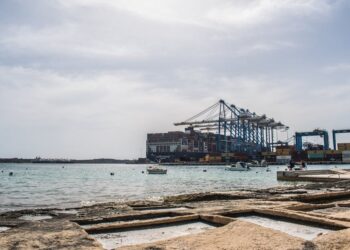
According to www.bloomberg.com, DP World and South Africa’s Nedbank Group announced a $500 million trade finance facility dedicated exclusively to supporting importers and exporters across sub-Saharan Africa. The facility launched in September 2024 and targets small and medium-sized enterprises (SMEs) that face persistent gaps in working capital and letter-of-credit access.
Facility Structure and Geographic Scope
The $500 million facility is structured as a revolving credit line, with disbursements available in multiple currencies including USD, EUR, ZAR, and NGN. It covers 12 countries: Nigeria, Kenya, Ghana, Tanzania, Uganda, Rwanda, Zambia, Malawi, Mozambique, Botswana, Namibia, and South Africa. According to the report, 70% of the facility’s initial allocation is earmarked for intra-African trade under the African Continental Free Trade Area (AfCFTA) framework, which entered operational phase in January 2021.
Operational Mechanics and Eligibility
Eligible applicants must be registered businesses with at least two years of audited financial statements and a minimum annual turnover of $100,000. The facility offers tenors of up to 180 days for documentary credits and up to 360 days for supplier financing. Interest rates are pegged to the Johannesburg Interbank Average Rate (JIBAR) plus a margin ranging from 2.75% to 4.5%, depending on credit rating and transaction size. The source states that DP World will provide logistics data—including port dwell times, container movement history, and customs clearance status—to Nedbank for real-time risk assessment.
Industry Context and Precedent Activity
This initiative follows a broader trend among global port operators to integrate financial services into physical infrastructure. In 2023, Maersk launched its Trade Finance division, reporting $1.2 billion in total financed trade volume by December 2023. Similarly, COSCO Shipping Ports partnered with Bank of China in 2022 to offer a $300 million trade finance program focused on Belt and Road Initiative corridors. According to Bloomberg, African SMEs collectively face an estimated $335 billion annual trade finance gap—nearly 45% of total demand—as documented by the International Chamber of Commerce’s 2023 Global Trade Finance Report.
Practitioner Implications for Supply Chain Teams
For supply chain professionals managing cross-border procurement in Africa, the facility reduces reliance on costly alternative financing such as factoring (average cost: 8–12% APR) or informal lenders charging up to 30% monthly interest. The integration of DP World’s port performance data into Nedbank’s underwriting allows pre-approved credit lines to be activated within 48 business hours—compared to industry-standard 10–15 day processing times for traditional bank letters of credit. According to the report, pilot users in Lagos and Mombasa reported average shipment cycle time reductions of 22% due to faster document verification and customs pre-clearance enabled by shared data flows.
Source: Bloomberg
Compiled from international media by the SCI.AI editorial team.