According to www.supplychaindive.com, Amazon launched Amazon Supply Chain Services on Monday, May 7, 2026, opening its transportation, distribution, and fulfillment infrastructure to third-party businesses beyond its own retail operations.
Initial Client Base Includes Major CPG and Retail Brands
The service is already in use by 3M, Procter & Gamble, and American Eagle Outfitters, according to the report. These companies are leveraging Amazon’s U.S.-based logistics assets for freight transportation, parcel shipping, and distribution and fulfillment services. The launch marks a formal expansion of Amazon’s long-standing internal logistics capabilities into a commercial offering — one that draws on infrastructure built over more than two decades.
Scale and Infrastructure Backing the Service
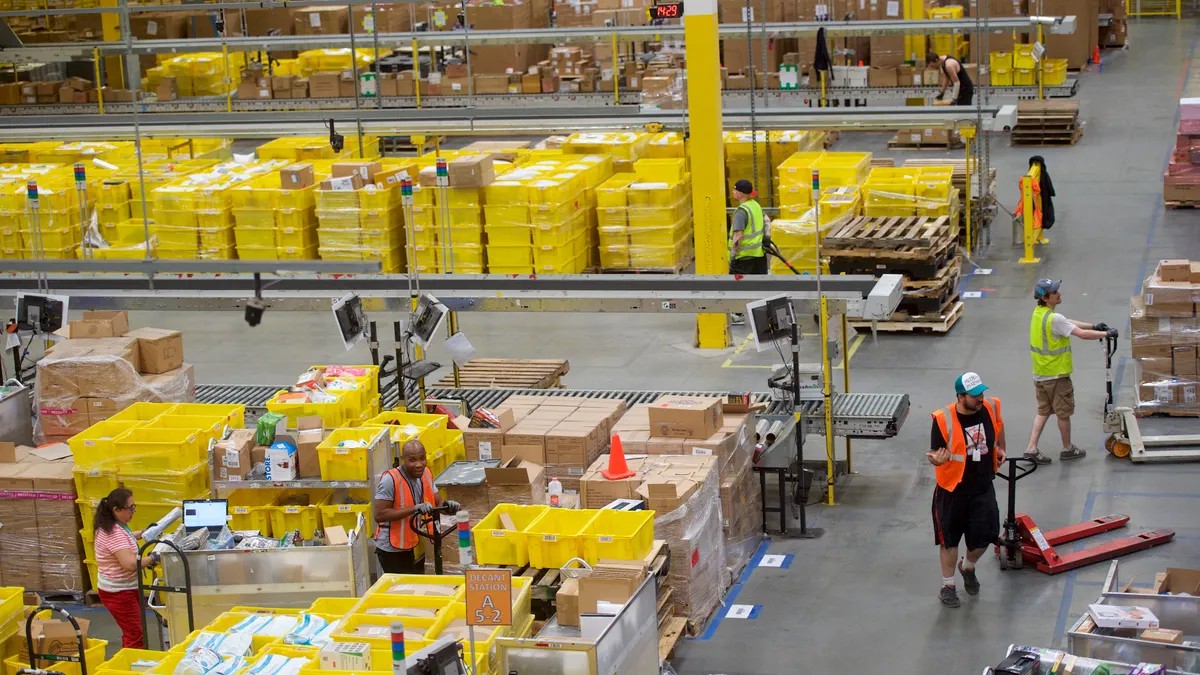
Amazon’s network includes over 175 fulfillment centers across the United States as of early 2026, per publicly reported figures cited by industry analysts tracking the company’s physical footprint. Its transportation arm operates more than 30,000 trailers and contracts with over 10,000 motor carriers, enabling multi-modal freight movement. The company also manages a fleet of over 1,500 Amazon-branded delivery vans and maintains dedicated air cargo capacity via Amazon Air, which operated 90 aircraft in its fleet as of Q1 2026.
Industry Positioning and Competitive Context
While Amazon’s entry into third-party logistics does not immediately displace established players, it introduces structural pressure. According to the source, UPS generated $102.4 billion in revenue in 2025, and FedEx reported $98.7 billion in the same period — both significantly larger than Amazon Logistics’ estimated third-party revenue of under $5 billion in 2025. However, Amazon’s integrated model — combining e-commerce demand signals, warehouse automation, and real-time capacity allocation — creates a distinct operational advantage for shippers prioritizing speed and data integration.
Practitioner Perspective: Capacity Allocation Concerns
Supply chain professionals face immediate questions about priority access. As noted by experts quoted in the article, Amazon’s internal retail business still receives first claim on capacity during peak seasons such as Q4 holidays. This means third-party clients may experience variable lead times or limited booking windows during high-demand periods. One logistics executive told Supply Chain Dive:
“The biggest question isn’t whether Amazon can move freight — it’s whether they’ll move *your* freight when you need it most.” — Anonymous supply chain director, Fortune 500 retailer
Broader Industry Context
Amazon’s move follows similar expansions by other tech-adjacent logistics entrants: Walmart launched Walmart Fulfillment Services in 2021 and reached $2.1 billion in third-party fulfillment revenue in fiscal 2025. JD Logistics reported RMB 121.4 billion (≈$16.9 billion) in external revenue in 2025, while Cainiao — Alibaba’s logistics arm — processed 1.1 billion cross-border parcels globally in the same year. Unlike these peers, Amazon Supply Chain Services currently operates exclusively within the U.S. domestic market, with no announced international expansion timeline.
Source: Supply Chain Dive
Compiled from international media by the SCI.AI editorial team.