According to www.oliverwyman.com, the recent escalation in Middle East conflict is disrupting global supply chains, with the Strait of Hormuz serving as a critical choke point for energy and industrial inputs—transiting 20% of global petroleum liquids consumption, 25% of global seaborne oil trade, and 20% of global liquefied natural gas (LNG) trade.
Energy Market Shocks
The Strait of Hormuz is especially vital for Asia: 84% of the continent’s oil imports and 83% of its LNG imports pass through it. Overland pipelines in Saudi Arabia and the UAE provide limited oil bypass capacity—but none for LNG. As risk perception surged, Brent crude rose 25% to $91 per barrel on March 11, up from $73 on February 27. European gas futures jumped 56% to €50 per megawatt-hour on March 11 (from €32 on February 27). Jet fuel prices increased 58% between February 27 and March 6.
Industrial Input Shortages
The Gulf Cooperation Council (GCC) supplies upstream materials across food, manufacturing, and healthcare. Urea shipments—more than 33% of global volumes—transit the Strait of Hormuz; after Qatar closed its largest facility following a drone attack, urea prices rose 26% from February 27 to March 11. Methanol—produced largely in Saudi Arabia and Iran, which together supply ~20% of global output—rose 17% over the same period. Phosphate fertilizers from Saudi Arabia’s Ma’aden account for 20% of global trade, with prices up 4%. Ammonia, for which Saudi Arabia is the world’s second-largest exporter, faces tightening supply. Sulfur exports from the UAE represent 23% of global volume; prices climbed 23%. Polymers are also under pressure: Saudi Arabia and the UAE supply 20% of global polyethylene trade (prices up 15%) and 18% of global polypropylene trade (prices up 16%). GCC accounts for ~8% of global primary aluminum supply, and Europe sources ~20% of its aluminum imports from the region—prices rose 9%. Qatar supplies 30% of global helium, and after the Ras Laffan shutdown, helium prices surged 35%.
Transportation Reconfiguration
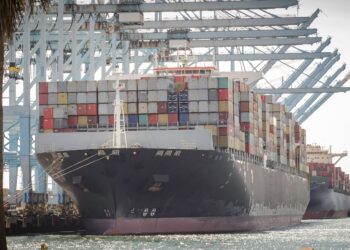
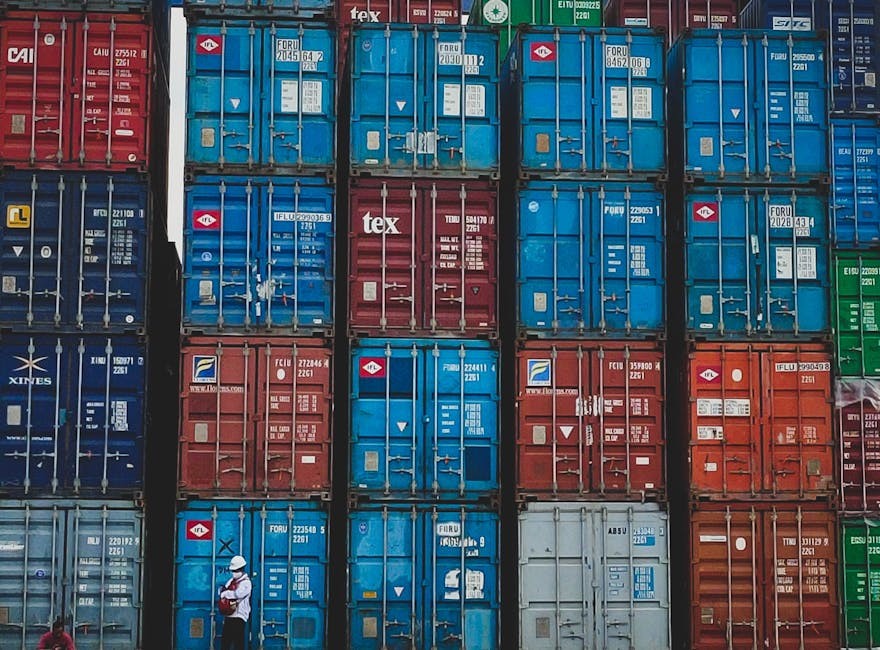
Maersk has suspended all transits through the Strait of Hormuz and rerouted vessels via the Cape of Good Hope, adding 8–15 days to Asia–Europe container transit times. CMA CGM imposed an emergency conflict surcharge of $2,000 per 20-foot container effective February 28. After Protection and Indemnity (P&I) clubs canceled war-risk cover, most shipping lines halted new bookings to and from the Middle East. CMA CGM also introduced emergency fuel surcharges of $150 per 20-foot equivalent unit (TEU) for headhaul dry cargo effective March 16—equating to a 11%–14% increase on baseline rates for 40-foot containers. Air transport disruption intensified as Dubai International Airport—the world’s busiest by international passenger traffic—faced operational strain.
Operational Response Imperatives
Leadership teams must rapidly identify single-sourced dependencies, lean inventory positions, and contractual exposures. As stated by the report’s authors:
“Organizations that bring together supply chain, procurement, treasury, commercial, and risk teams early will be best positioned to make sourcing moves, customer commitments, freight decisions, and liquidity actions from a single, shared fact base.” — Xavier Nougues, Sebastian Janssen, Thilo Grunwald, and Andre Martins
Practical steps include securing critical material supply, confirming alternative logistics routings, reviewing supplier contingency plans, and reassessing working-capital, insurance, and contractual exposure amid shifting lead times and risk-related costs.
Source: www.oliverwyman.com
Compiled from international media by the SCI.AI editorial team.