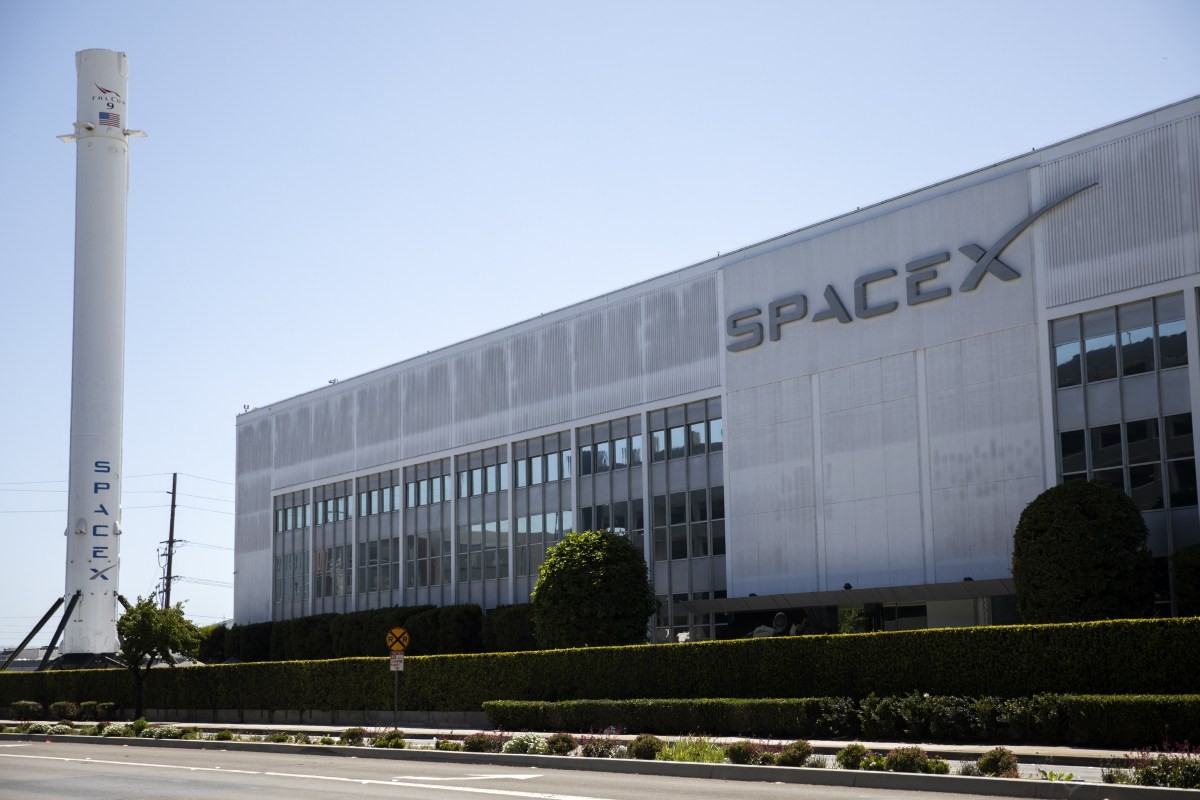
According to techcrunch.com, SpaceX is considering a semiconductor manufacturing project in Grimes County, Texas, with an estimated total investment of $119 billion. A county filing states the initial phase alone would require at least $55 billion.
Terafab: Scope and Strategic Drivers
The proposed facility—dubbed “Terafab”—is described in the filing as a “multi-phase, next-generation, vertically integrated semiconductor manufacturing and advanced computing fabrication facility.” Its stated purpose is to supply chips for multiple Musk-affiliated entities: AI servers for xAI, onboard processors for SpaceX satellites, components for SpaceX’s proposed orbital data center, and silicon for Tesla’s autonomous vehicles and humanoid robots. Elon Musk has publicly framed the project as existential:
“We either build the Terafab or we don’t have the chips, and we need the chips, so we build the Terafab.”
The facility is projected to eventually produce enough chips to support 1 terawatt of power per year, reflecting Musk’s claim that existing semiconductor manufacturers cannot scale fast enough to meet his companies’ AI and robotics demands.
Partnership Ecosystem and Valuation Context
Tesla is contributing resources to the Terafab initiative, and chipmaking giant Intel has been formally roped into the effort. The combined SpaceX–xAI entity is reported to hold a valuation of $1.25 trillion and is expected to go public in June 2026. This timeline coincides with Musk’s intensified focus on securing AI compute capacity—particularly to train and operate the Grok series of large language models. The filing was submitted as part of site-selection due diligence; Musk clarified in a Tuesday tweet that Grimes County is only one of several locations under active consideration.
Supply Chain Implications for Hardware Procurement
For supply chain professionals, Terafab represents a rare vertical integration move by a non-traditional semiconductor end-user. Unlike Apple or NVIDIA—which design chips but outsource fabrication—SpaceX, Tesla, and xAI are jointly pursuing full-stack control from chip architecture through wafer fabrication. This mirrors broader industry shifts: Samsung announced plans in early 2026 to invest $1 trillion in AI chip infrastructure over the next decade, while ASML CEO Christophe Fouquet recently affirmed the company’s dominant position in extreme ultraviolet (EUV) lithography tools, citing “no one is coming for us” in terms of near-term competition. Intel’s involvement also signals strategic recalibration: the company reported $13.4 billion in semiconductor R&D spending in its 2025 annual report and has expanded its foundry services division to attract non-traditional clients. For procurement teams managing AI hardware sourcing, Terafab introduces both risk—potential diversion of Intel’s capacity—and opportunity—possible future access to custom-designed, high-throughput chips optimized for edge inference in space and automotive environments.
Source: TechCrunch
Compiled from international media by the SCI.AI editorial team.