According to www.automotivelogistics.media, Volkswagen Group Malaysia is overhauling its logistics and supply chain approach across Southeast Asia to address regulatory fragmentation, high import duties, and intensifying competition from Chinese OEMs. The strategy rests on three interlocking pillars: localisation of assembly, regional sourcing across ASEAN, and export-led manufacturing growth.
Regional Complexity and Market Opportunity
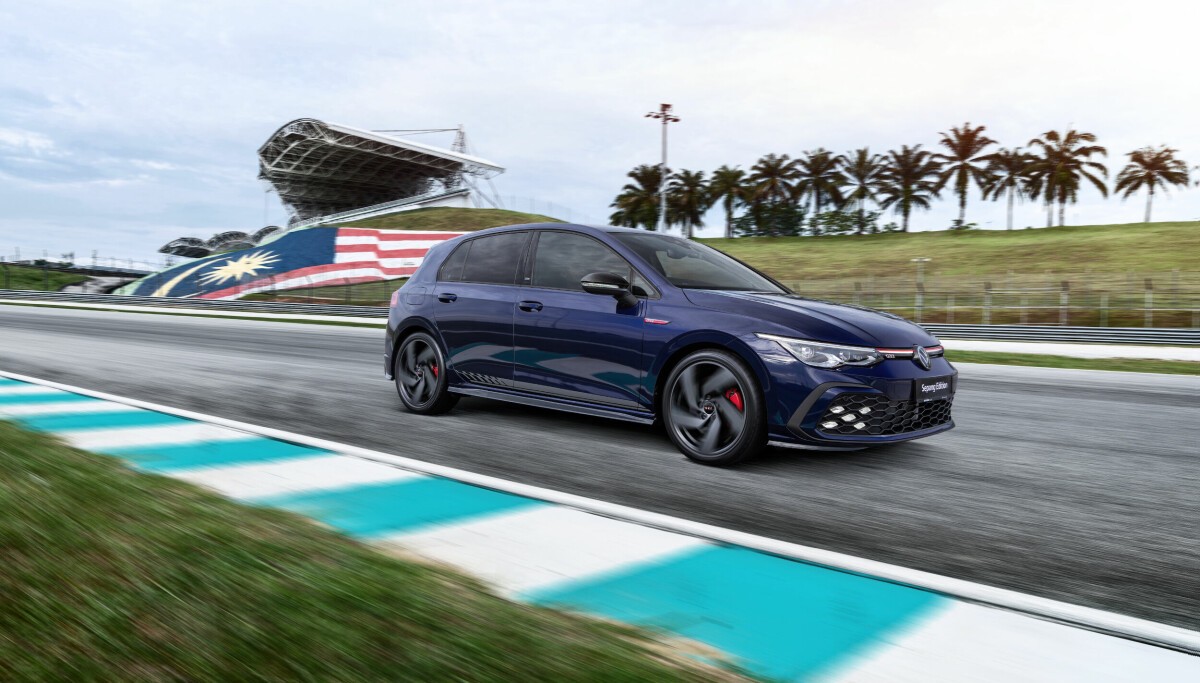
Volkswagen operates one assembly hub in Malaysia, supported by contract manufacturers in Kulim and Pekan. It maintains national sales companies and importer relationships across Japan, Korea, Taiwan, Australia, New Zealand, Singapore, Malaysia, Vietnam, Thailand, and the Philippines. Four brands — Volkswagen, Audi, Porsche, and Scania — have a direct presence, with Scania also offering electric trucks.
Susanne Lehmann, managing director of Volkswagen Group Malaysia, describes ASEAN as both heterogeneous and strategically important. She notes GDP levels, regulatory environments, and market maturity differ widely among the ASEAN Six (Indonesia, Malaysia, the Philippines, Singapore, Thailand, and Vietnam). Malaysia stands out with a car population of 768 vehicles per thousand inhabitants — higher than Germany’s — though most vehicles are very old, presenting a significant opportunity for replacement demand.
Divergent EV Adoption and Portfolio Flexibility
EV adoption rates vary sharply across the region: 18% in Indonesia, 5.4% in Malaysia, and 30% in Thailand — where government initiatives are accelerating electrification. Malaysia’s strong ties to oil and gas slow its BEV transition relative to Thailand or Singapore. This diversity allows Volkswagen to leverage internal combustion and hybrid portfolios rather than adhere strictly to full-electrification strategies designed for Europe or China.
Localisation and Regional Sourcing
Historically, most Volkswagen vehicles — especially Audis — entered ASEAN as Completely Built Units (CBUs). Since 2012, local production has expanded from small cars (Jetta, Polo, Passat) to a premium-focused, accessible-premium strategy. However, Lehmann stresses that producing for only one national market — such as Malaysia, Indonesia, or Thailand — yields insufficient volume and flexibility.
She states the solution lies in broadening the sourcing base:
“We want to look more into the region, not only to China, but also to all Southeast Asian countries for our sourcing and for our car models.” — Susanne Lehmann, Managing Director, Volkswagen Group Malaysia
Customs and Regulatory Barriers
Complex customs requirements remain a critical bottleneck. Minor discrepancies — such as inconsistent part naming on invoices (e.g., labeling a bolt as “12-inch” instead of using the standard part number) — can trigger shipment delays or rejections. Lehmann underscores the need for one and only identifiable part numbers and efficient, non-restrictive customs processes.
Regulatory fragmentation compounds the challenge: each country enforces different localisation targets, tax bands, and technical eligibility rules for internal-combustion, hybrid, and electric vehicles. In some cases, approvals expire after just one year, undermining long-term planning reliability. Lehmann calls for harmonised, ASEAN-wide regulations:
“It’s really nearly impossible to make plans that are reliable and that we can trust to last a little bit longer than one year… Let’s fight for that together.” — Susanne Lehmann, Managing Director, Volkswagen Group Malaysia
Source: www.automotivelogistics.media
Compiled from international media by the SCI.AI editorial team.