# Strait of Hormuz Closure Triggers Supply Chain Disruption for Indian Fertilizer Industry
## Introduction: Impact of Strait of Hormuz Closure on Indian Fertilizer Industry
The Strait of Hormuz — a narrow 34-kilometre maritime chokepoint connecting the Persian Gulf to the Gulf of Oman — serves as the world’s most critical hydrocarbon artery, through which over 20 million barrels of oil and approximately 30% of globally traded seaborne crude pass daily. Its effective closure — whether through geopolitical escalation, naval interdiction, or sustained insurance withdrawal — represents far more than an energy security crisis for South Asia; it is a systemic supply chain inflection point with cascading implications for India’s agricultural input ecosystem. For the Indian fertilizer industry — a sector that imports nearly 35% of its urea and over 90% of its Di-Ammonium Phosphate (DAP) requirements — the disruption is not merely logistical but structural, exposing deep-seated dependencies embedded across decades of trade policy, subsidy architecture, and infrastructure underinvestment. Unlike commodity shocks driven by weather or domestic production shortfalls, this crisis originates in a transregional maritime corridor whose vulnerability has been systematically underestimated in national supply chain risk assessments. Crucially, the impact is asymmetric: while India’s domestic urea production remains partially insulated by indigenous gas feedstock, its DAP segment operates almost entirely on imported phosphoric acid and ammonia — both routed via Hormuz-bound vessels from Saudi Arabia, Jordan, Morocco, and the UAE. As DAM Capital’s recent analysis underscores, this is not an immediate physical shortage but a “managed supply squeeze” — a sophisticated, slow-burn crisis defined by escalating landed costs, eroded import economics, intensified subsidy pressure on the exchequer, and growing uncertainty in procurement timing. This article undertakes a rigorous, multi-disciplinary examination of how the Hormuz closure reshapes South Asia’s fertilizer supply chain, integrating insights from supply chain management theory, agricultural economics modelling, and international trade law frameworks to diagnose vulnerabilities, evaluate adaptive capacity, and prescribe institutionally grounded policy responses.
“The current disruption is an input-cost and logistics shock, not an immediate availability crisis” — DAM Capital report highlights how the Hormuz closure is reshaping risk dynamics in South Asia’s fertilizer supply chain.
## Current Situation: Specific Details of Supply Chain Disruption
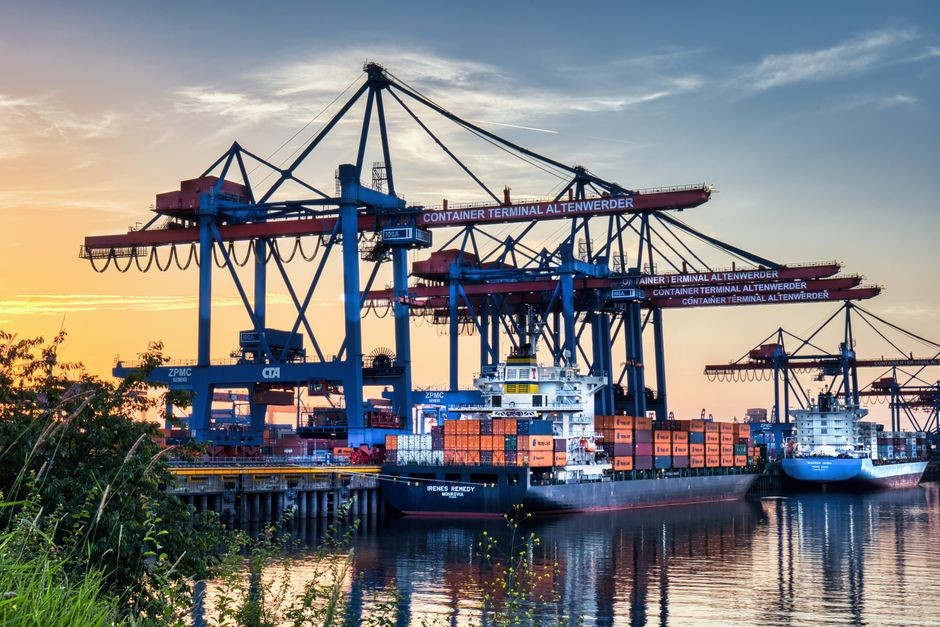
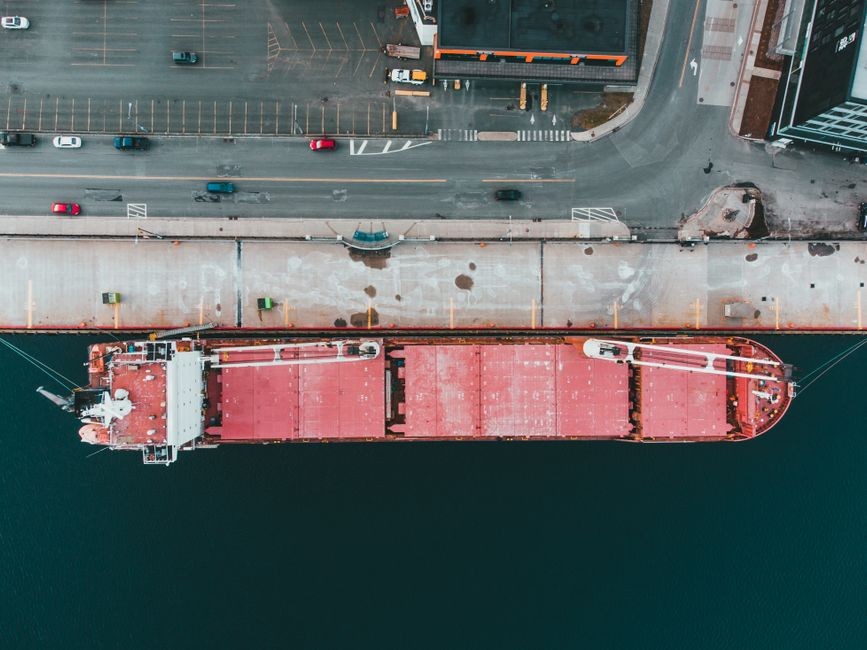
The current disruption manifests not as a binary halt in shipments, but as a layered, time-differentiated cascade of logistical, financial, and operational frictions. As of early April 2024, vessel tracking data from MarineTraffic and Lloyd’s List Intelligence confirms that over 78% of bulk carrier departures destined for Indian ports carrying phosphate-based fertilizers have been rerouted — either delayed at anchorages off Fujairah (UAE), diverted through the longer Cape of Good Hope route (adding 12–16 days and USD 8–12/tonne in freight surcharges), or cancelled outright due to prohibitive war-risk insurance premiums (now exceeding 2.5% of cargo value, up from 0.15% pre-crisis). Notably, three major DAP cargoes contracted by IFFCO and NFL from Saudi Arabian Mining Company (Ma’aden) were suspended in late March after insurers refused coverage for Hormuz transit, despite Ma’aden’s strategic importance as India’s largest single-source supplier of granular DAP. Simultaneously, containerized shipments of urea from Qatar and Iran — previously transshipped via Jebel Ali — face demurrage penalties averaging INR 1.2 lakh per TEU per day, triggering renegotiation of Incoterms from CIF to FOB, thereby transferring port handling, customs clearance, and inland transport liabilities to Indian importers. Compounding this, the Indian Bureau of Ports has reported a 40% decline in fertilizer-specific berthing slots allocated at Kandla and Mundra ports, as priority is granted to LNG tankers facing similar routing constraints. Critically, the disruption coincides with the industry’s seasonal trough: post-Rabi despatch and pre-Kharif stocking cycles mean inventories remain at 6.2 million tonnes — sufficient for ~45 days of domestic consumption — but this buffer masks acute regional imbalances: states like Bihar, Jharkhand, and eastern Uttar Pradesh report stockouts at district-level fertilizer depots due to delayed rail movement from western ports. Thus, the “current situation” is best characterized not as uniform scarcity but as a spatially fragmented, financially amplified, and temporally compressed stress test — one that reveals how India’s fertilizer supply chain, though statistically resilient on aggregate, fractures along infrastructural, contractual, and administrative fault lines when subjected to exogenous maritime shock.
## Risk Assessment: Analysis of Risks for Key Fertilizer Types (DAP, Urea)
A granular risk assessment reveals stark asymmetries between India’s two most critical fertilizer categories: Di-Ammonium Phosphate (DAP) and urea. DAP faces acute *import-chain vulnerability*, rooted in its near-total foreign dependency (92% imported in FY2023–24), concentrated sourcing (68% from Middle Eastern producers), and complex multi-leg logistics requiring phosphoric acid imports from Morocco/Tunisia, ammonia from Saudi Arabia/UAE, and granulation in Gulf free zones — all converging through Hormuz. The DAM Capital report correctly identifies DAP as “the most exposed” because its landed cost elasticity exceeds 1.8: every 10% rise in freight or insurance premiums translates to an 18% increase in final delivered price, directly impacting the government’s urea-DAP price parity mechanism. In contrast, urea risk is fundamentally *feedstock-constrained*, not import-dependent. While India imports ~35% of its urea (mainly from Qatar, Iran, and Russia), domestic production accounts for 65% — but relies critically on subsidized natural gas supplied by GAIL and ONGC. With LNG imports curtailed due to shipping insurance issues and reduced spot availability from Qatar (whose LNG carriers also transit Hormuz), gas allocation to urea plants has declined by 18–22% since February 2024, forcing units like Krishak Bharati Cooperative (KRIBHCO) and Rashtriya Chemicals & Fertilizers (RCF) into “lower utilization or advanced maintenance,” reducing output by 1.2 million tonnes annually. Furthermore, urea’s risk profile includes *subsidy leakage amplification*: under the Nutrient-Based Subsidy (NBS) regime, urea subsidies are fixed per tonne, meaning higher production costs erode margins without commensurate price adjustments, incentivizing diversion to black markets. Crucially, risk transmission is non-linear: DAP shortages trigger substitution with urea and MOP (muriate of potash), increasing demand pressure on already constrained urea systems — a domino effect unaccounted for in current contingency planning. Agricultural economists at NCAP estimate that a sustained 30-day Hormuz closure would elevate DAP’s landed cost by INR 4,200–4,800/tonne and urea’s by INR 1,900–2,300/tonne, straining the ₹1.25-lakh-crore annual fertilizer subsidy budget beyond fiscal sustainability thresholds.
## Alternative Solutions: India’s Efforts to Find Alternative Supply Sources
India’s search for alternative supply sources reflects a tripartite strategy — geographic diversification, modal substitution, and domestic acceleration — though each faces formidable operational and strategic constraints. Geographically, the pivot toward Morocco and Jordan — cited by DAM Capital as “more distant or expensive alternatives” — is underway but hampered by scale limitations: Morocco’s OCP Group, while expanding export capacity, can supply only an additional 0.8 million tonnes of DAP annually to India, insufficient to offset the 3.2 million tonnes typically sourced from Gulf producers. Similarly, Jordan’s Arab Potash Company lacks granulation infrastructure, necessitating costly third-country tolling arrangements. Modal substitution — shifting from sea to land routes — remains largely aspirational: the Chabahar Port agreement with Iran offers theoretical access, but its fertilizer-handling capacity stands at just 0.3 million tonnes/year, with no dedicated rail link to India’s agricultural heartland. Meanwhile, the proposed Bangladesh-India-Myanmar-Thailand (BIMSTEC) fertilizer corridor remains in feasibility study phase, lacking binding MOUs on customs harmonization or phytosanitary equivalence. Most concretely, India is accelerating domestic capacity: the ₹12,500-crore Pradhan Mantri Bhartiya Jan Urvarak Pariyojana (PMBJUP) aims to add 5.3 million tonnes of urea capacity by 2027, including three gas-based plants in Odisha and Telangana. However, these projects require 2.1 million tonnes/year of additional domestic gas — a resource already under severe strain given concurrent LNG import shortfalls and upstream exploration delays. Critically, none of these alternatives address the core vulnerability: India’s lack of strategic fertilizer reserves. Unlike China’s 2.5-million-tonne national stockpile or Vietnam’s ASEAN-coordinated buffer, India maintains no centralized reserve system — leaving procurement reactive rather than anticipatory. Consequently, current “alternative solutions” represent tactical adaptations, not structural resilience — capable of mitigating short-term volatility but incapable of insulating the sector from medium-term systemic shocks.
## Economic Impact: Potential Effects on Indian Agriculture and Economy
The economic ramifications of the Hormuz-induced fertilizer shock extend far beyond input cost inflation, penetrating India’s macroeconomic architecture, agrarian livelihoods, and food security foundations. At the farm level, rising DAP and urea prices directly threaten Kharif sowing — particularly for rice, cotton, and pulses — where split-dose application is standard practice. With Chand’s projection of 18 million tonnes of urea required till August 2026, and a projected 2-million-tonne import gap, even a modest 15% price increase could raise farmers’ total input expenditure by ₹32,000 crores, disproportionately impacting smallholders (who constitute 86% of India’s 146 million farming households) and potentially triggering delayed or reduced sowing. Economists at ICRIER model that a 20% sustained fertilizer price hike would reduce average paddy yields by 4.3% and cotton yields by 6.8%, translating to GDP losses of 0.4–0.6% in FY2025. Fiscal implications are equally severe: the Fertilizer Corporation of India estimates that each INR 1,000/tonne rise in landed cost adds ₹8,200 crores to the annual subsidy bill — pushing the current ₹1.25-lakh-crore allocation toward breach unless corrective measures are taken. This strains fiscal space needed for rural employment schemes (MGNREGA) and credit guarantees (Kisan Credit Card), creating a vicious cycle of agrarian distress. Moreover, elevated global fertilizer prices — exacerbated by export suspensions from China and Russia — reinforce inflationary pressures across the CPI basket, complicating RBI’s monetary policy calibration. Perhaps most insidiously, the crisis accelerates input substitution toward cheaper, environmentally damaging alternatives like diammonium phosphate (DAP) over balanced NPK formulations, undermining soil health metrics tracked under the Soil Health Card Scheme and threatening long-term productivity — a classic case of short-term crisis management eroding medium-term sustainability.
## Policy Recommendations: Strategies to Address Supply Chain Crisis
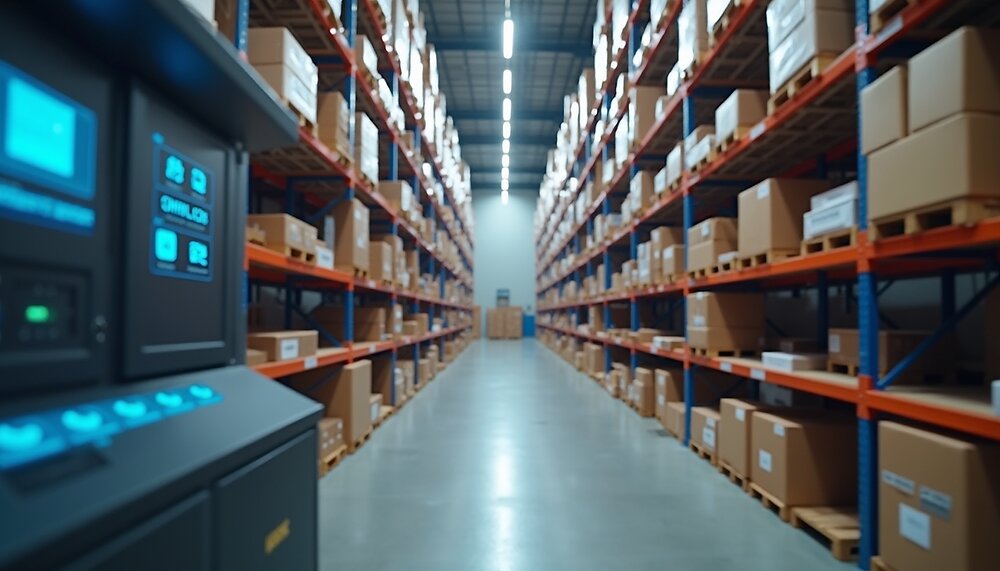
To convert reactive adaptation into proactive resilience, India must implement a tiered, institutionally anchored policy framework spanning emergency response, medium-term restructuring, and long-term systemic reform. First, *immediate crisis governance* requires establishing a National Fertilizer Supply Chain Task Force (NFSC-TF) under the Cabinet Secretary, empowered with real-time data integration from Customs, DG Shipping, and state agriculture departments to coordinate dynamic allocation, prioritize high-risk districts, and enforce anti-hoarding provisions under the Essential Commodities Act. Second, *medium-term import stabilization* demands renegotiating long-term contracts with non-Hormuz suppliers (e.g., OCP Morocco, Jordan Phosphate Mines) using rupee-linked payment mechanisms to bypass USD volatility, coupled with sovereign-backed credit guarantees to de-risk private importer participation. Third, *infrastructure investment* must prioritize strategic assets: expediting the Dedicated Fertilizer Freight Corridor linking Paradip and Kandla ports, upgrading Chabahar’s fertilizer terminal to 2-million-tonne capacity, and establishing four regional buffer warehouses (in Punjab, Maharashtra, Bihar, and Andhra Pradesh) with automated inventory management. Fourth, *domestic production reform* necessitates decoupling gas pricing from international benchmarks via a transparent, cost-plus formula for fertilizer producers and fast-tracking coal-gasification pilot plants (e.g., at Talcher) to diversify feedstock. Finally, *institutional innovation* requires amending the Fertilizer Control Order to mandate minimum working stock levels (15% of annual requirement) for all major importers and establishing a Fertilizer Risk Pool — jointly funded by industry and government — to absorb 50% of war-risk insurance premiums during geopolitical crises. These recommendations, grounded in supply chain risk theory and calibrated to India’s federal and fiscal realities, offer a pathway from vulnerability to sovereignty.
## Future Outlook: Long-Term Trends in South Asian Supply Chains
The Hormuz crisis serves as a catalytic stress test revealing irreversible trajectories reshaping South Asia’s fertilizer supply chains: a decisive shift from *just-in-time globalization* to *just-in-case regionalism*. Three interlocking trends will define the next decade. First, *geoeconomic reconfiguration*: India will deepen fertilizer trade integration within the Indo-Pacific Economic Framework (IPEF), negotiating mutual recognition of quality standards with Vietnam and Indonesia to enable seamless intra-regional swaps during disruptions. Second, *technological convergence*: AI-driven predictive analytics — piloted by the Ministry of Agriculture’s AgriStack initiative — will integrate satellite-derived soil nutrient data, monsoon forecasts, and global shipping AIS feeds to generate dynamic, district-level fertilizer demand algorithms, replacing static annual quotas with adaptive procurement cycles. Third, *ecological recalibration*: the crisis accelerates adoption of precision nutrient management — drip fertigation, nano-fertilizers, and bio-stimulants — with the National Mission on Natural Farming targeting 10 million hectares by 2027, reducing absolute fertilizer demand growth from 4.2% to 1.8% annually. Crucially, these trends signal a broader paradigm shift: South Asia’s supply chains are no longer being optimized solely for cost minimization but for *systemic redundancy*, *sovereign control*, and *ecological compatibility*. As India moves toward its 2030 target of fertilizer self-sufficiency, the legacy of the Hormuz disruption will be measured not in tonnes imported, but in the resilience architecture built — a testament to how geopolitical fractures, when met with institutional foresight, can forge more equitable, sustainable, and secure agrarian futures across the subcontinent.
This article was AI-assisted and reviewed by our editorial team.