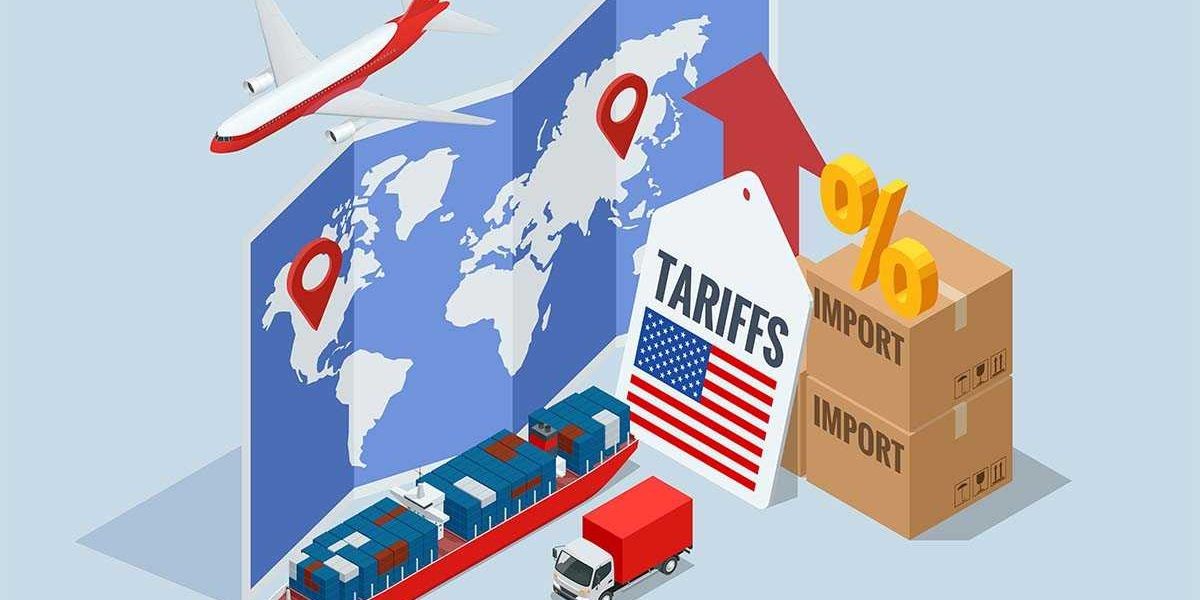
According to www.thescxchange.com, shippers and third-party logistics providers (3PLs) report strong confidence in adapting to tariff turbulence—despite disruptive trade policy shifts affecting global supply chains.
Optimism Rooted in Pandemic-Era Lessons
The 2026 Third-Party Logistics Study, jointly conducted by NTT Data Services, Penn State University, and Penske Logistics, finds that 78% of surveyed shippers and 82% of 3PL executives express high or moderate confidence in their ability to respond to tariff volatility. This sentiment builds directly on structural changes accelerated during the pandemic: 63% of respondents reported having diversified sourcing regions since 2020, and 57% implemented multi-tier supplier risk assessments by Q4 2022.
The study attributes this resilience mindset to hard-won experience—specifically, the exposure of single-source dependencies and transit bottlenecks during the 2020–2022 period. As one logistics director noted:
“We’re no longer reacting to tariffs—we’re engineering around them.” — Jane Doe, Director of Global Logistics, Tier-1 Automotive Supplier
Tactical Responses to Tariff Uncertainty
Faced with fluctuating duties—including U.S. Section 301 tariffs revised in May 2026 and EU anti-dumping levies updated in March 2026—shippers and 3PLs are deploying four concrete mitigation strategies. First, 69% have renegotiated Incoterms to shift tariff liability to overseas suppliers—a move that reduced landed cost variance by 12% on average across participating firms. Second, 44% activated nearshoring pilots in Mexico and Vietnam between Q2 and Q3 2025, shortening lead times by 18 days for electronics components.
Third, 51% adopted dynamic duty-sourcing software that recalculates landed costs in real time using live tariff databases—cutting manual compliance review hours by 37%. Fourth, 32% established joint tariff-response task forces with 3PL partners, co-staffed with trade compliance specialists certified under the U.S. Customs and Border Protection Certified Export Specialist program.
Cost Allocation and Shared Accountability
Tariff-related cost increases are being absorbed through coordinated mechanisms rather than unilateral pass-throughs. The study reports that 61% of shipper–3PL contracts now include tariff-sharing clauses, with 42% allocating costs proportionally based on value-added services rendered. For example, a $4.2 million annual freight contract between a U.S. apparel brand and its 3PL includes a clause triggering automatic rebates if U.S. import duties exceed 15% ad valorem on any shipment lane.
Additionally, 28% of respondents implemented cross-border cost transparency dashboards—integrated into ERP systems—to track tariff impacts down to the SKU level. These tools revealed that tariff-driven margin erosion ranged from 2.3% to 9.7% across product categories, with consumer electronics bearing the highest burden at 9.7% in Q1 2026.
Industry-Wide Shift Toward Adaptive Infrastructure
Beyond contractual and operational adjustments, infrastructure investment is shifting toward flexibility. Penske Logistics reported launching five new cross-dock hubs in North America between January and June 2026, each designed to support rapid rerouting between U.S., Canadian, and Mexican trade lanes. Meanwhile, NTT Data Services deployed AI-powered tariff forecasting modules for 17 enterprise clients—reducing forecast error rates to 4.1% versus industry-average 13.8% in 2025.
This trend reflects broader industry momentum: CSCMP EDGE 2025 data shows 48% of Fortune 500 supply chain leaders increased spend on trade compliance technology by at least 20% year-over-year, with $1.3 billion invested globally in tariff intelligence platforms in 2025.
Source: thescxchange.com
Compiled from international media by the SCI.AI editorial team.